তেল শিল্পে সরবরাহ এবং চাহিদা গতিশীলতা
তেল আবরণ বাজার মূল্য কারণের একটি জটিল ইন্টারপ্লে দ্বারা প্রভাবিত হয়, সরবরাহ এবং চাহিদা গতিশীলতা দামের ওঠানামা নির্ধারণে একটি মুখ্য ভূমিকা পালন করে। এই পরিবর্তনগুলিকে চালিতকারী শক্তিগুলি বোঝা তেল শিল্পের স্টেকহোল্ডারদের জন্য অত্যন্ত গুরুত্বপূর্ণ৷ তেলের আবরণ সরবরাহ বিভিন্ন কারণের দ্বারা প্রভাবিত হয় যেমন উৎপাদন ক্ষমতা, প্রযুক্তিগত অগ্রগতি এবং নিয়ন্ত্রক নীতি। অন্যদিকে, তেলের আবরণের চাহিদা ড্রিলিং কার্যকলাপের স্তর, অনুসন্ধান প্রকল্প এবং সামগ্রিক তেল খরচ দ্বারা চালিত হয়।
ভূ-রাজনৈতিক ঘটনা এবং তেলের দামের উপর তাদের প্রভাব
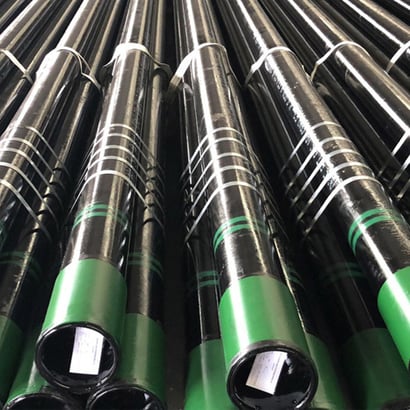
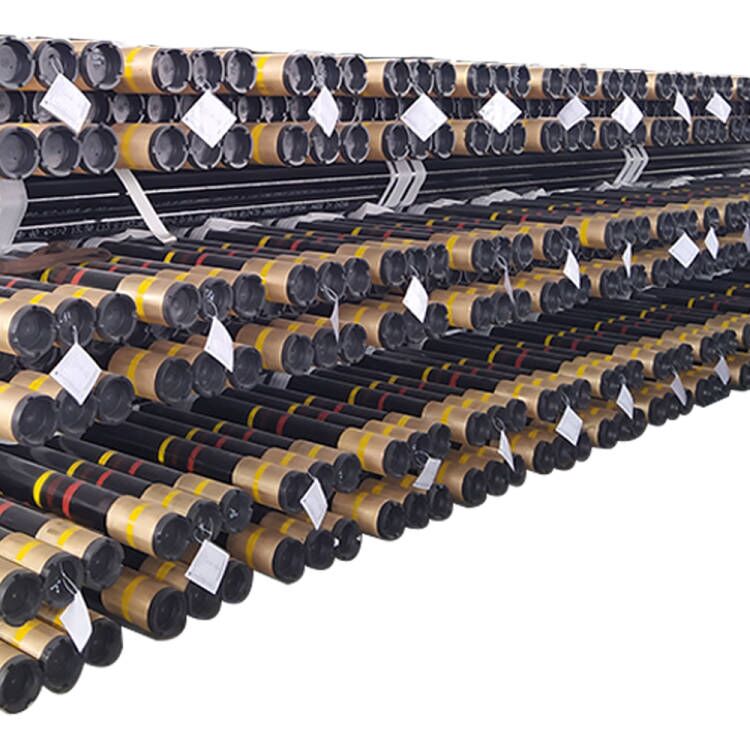
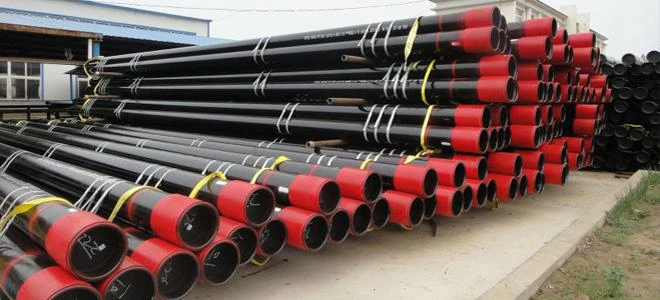
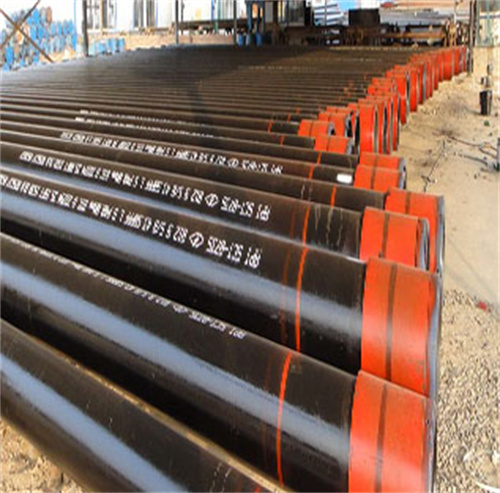
তেল আবরণ পাইপ
সামগ্রিকভাবে, তেল আবরণ বাজার গভীরভাবে ভূ-রাজনৈতিক ইভেন্টগুলির সাথে জড়িত যা বিশ্বব্যাপী ল্যান্ডস্কেপকে রূপ দেয়। দ্বন্দ্ব এবং জোট থেকে শুরু করে বাণিজ্য নীতি এবং পরিবেশগত বিধি, বিস্তৃত কারণগুলি তেলের দামে পরিবর্তন আনতে পারে। এই গতিশীলতা বোঝা বিনিয়োগকারী, নীতিনির্ধারক এবং শিল্প খেলোয়াড়দের জন্য অপরিহার্য যারা তেলের বাজারের জটিলতাগুলিকে একটি পরিবর্তনশীল ভূ-রাজনৈতিক পরিবেশে নেভিগেট করতে চাইছেন৷
One of the key drivers of change in Oil Casing market Prices is geopolitical tensions. When tensions rise between major oil-producing countries or regions, such as the Middle East or Russia, the market often reacts with increased volatility. Conflicts or the threat of disruptions to oil supply can lead to spikes in prices as traders factor in the potential for supply shortages. Geopolitical tensions can create uncertainty in the market, causing prices to fluctuate as investors weigh the risks associated with political instability.
Conversely, geopolitical agreements and alliances can also impact oil prices. When major oil-producing nations come together to stabilize or increase production, prices may experience downward pressure. For example, agreements within OPEC (Organization of the Petroleum Exporting Countries) to limit or boost production can have a direct impact on oil prices. These agreements are often the result of diplomatic negotiations and can signal stability in the market, leading to more predictable pricing trends.
The influence of geopolitical events on the oil casing market extends beyond direct supply and demand dynamics. Political decisions regarding trade policies, sanctions, and environmental regulations can also shape market conditions. For instance, trade disputes between major economies can disrupt the flow of oil and impact prices. Sanctions imposed on oil-producing countries can restrict their ability to export, leading to changes in global supply levels. Additionally, environmental regulations aimed at reducing carbon emissions can drive up costs for oil producers, affecting pricing in the market.
In recent years, the rise of renewable energy sources and efforts to combat climate change have added another layer of complexity to the relationship between geopolitics and oil prices. As countries shift towards cleaner energy alternatives, the demand for oil may decrease, putting pressure on prices. Geopolitical events that influence the adoption of renewable energy policies or technologies can therefore have indirect effects on the oil casing market.
Overall, the oil casing market is deeply intertwined with geopolitical events that shape the global landscape. From conflicts and alliances to trade policies and environmental regulations, a wide range of factors can drive changes in oil prices. Understanding these dynamics is essential for investors, policyMakers, and industry players seeking to navigate the complexities of the oil market in an ever-changing geopolitical environment.