ديناميكيات العرض والطلب في صناعة النفط
أحد المحركات الرئيسية للتغير في أسعار سوق أغلفة النفط هو الطلب العالمي على النفط. مع نمو الاقتصادات وتحولها إلى التصنيع، يزداد الطلب على النفط والغاز، مما يؤدي إلى زيادة أنشطة الحفر، وبالتالي زيادة الطلب على أغلفة النفط. على العكس من ذلك، خلال فترات الركود الاقتصادي أو فترات انخفاض النشاط الصناعي، قد ينخفض الطلب على أغلفة النفط، مما يفرض ضغوطًا هبوطية على الأسعار.
تلعب العوامل الجيوسياسية أيضًا دورًا مهمًا في تشكيل سوق أغلفة النفط. ومن الممكن أن يؤدي عدم الاستقرار السياسي في المناطق المنتجة للنفط إلى تعطيل سلاسل التوريد، مما يؤدي إلى تقلبات في الأسعار. يمكن للصراعات والعقوبات والاتفاقيات التجارية أن تؤثر جميعها على توافر أغلفة النفط في السوق، مما يؤثر على الأسعار في هذه العملية.
تساهم التطورات التكنولوجية في تقنيات ومواد الحفر أيضًا في التغيرات في أسعار سوق أغلفة النفط. يمكن أن تؤدي الابتكارات التي تعمل على تحسين كفاءة الحفر أو السماح باستخراج النفط من احتياطيات لم يكن من الممكن الوصول إليها سابقًا إلى زيادة الطلب على أغلفة النفط المتخصصة، مما يؤثر على أسعارها.
أصبحت اللوائح البيئية ومخاوف الاستدامة ذات أهمية متزايدة في صناعة النفط. ومع سعي الحكومات والمستهلكين إلى الحصول على مصادر طاقة أنظف وخفض انبعاثات الكربون، قد يتحول الطلب على النفط والغاز، مما يؤثر على سوق أغلفة النفط. الشركات التي تتكيف مع هذه الاتجاهات المتغيرة من خلال الاستثمار في ممارسات صديقة للبيئة قد تكتسب ميزة تنافسية في السوق.
في الختام، تتأثر أسعار سوق غلاف النفط بالعديد من العوامل، بما في ذلك ديناميكيات العرض والطلب، والأحداث الجيوسياسية، والتكنولوجية. التقدم، والاعتبارات البيئية كلها تلعب دورا. ومن خلال البقاء على اطلاع بمحركات التغيير هذه، يمكن لأصحاب المصلحة في صناعة النفط التعامل بشكل أفضل مع تقلبات الأسعار واتخاذ قرارات مستنيرة للتخفيف من المخاطر والاستفادة من الفرص.
الأحداث الجيوسياسية وتأثيرها على أسعار النفط
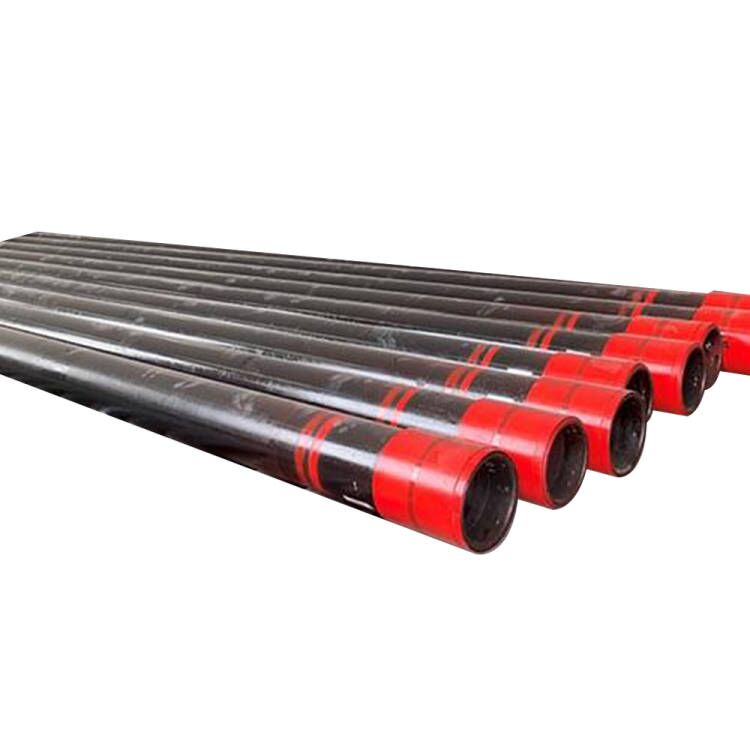
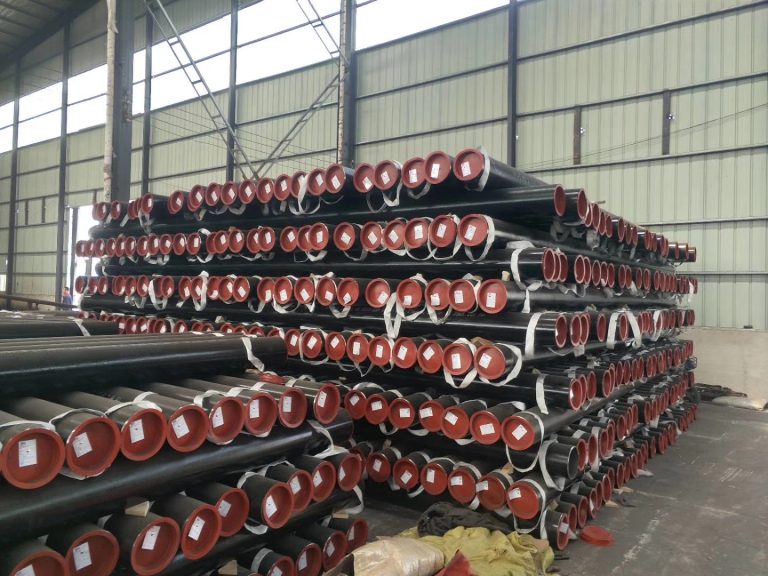
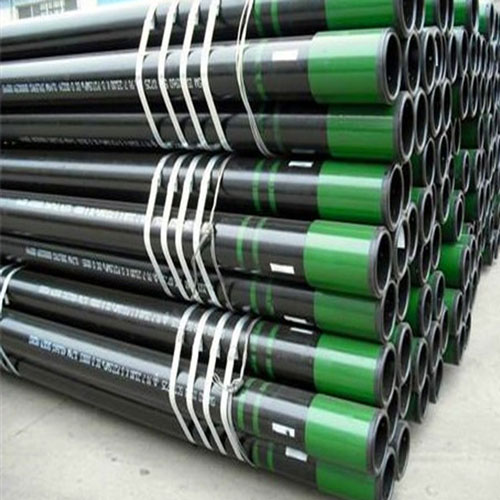
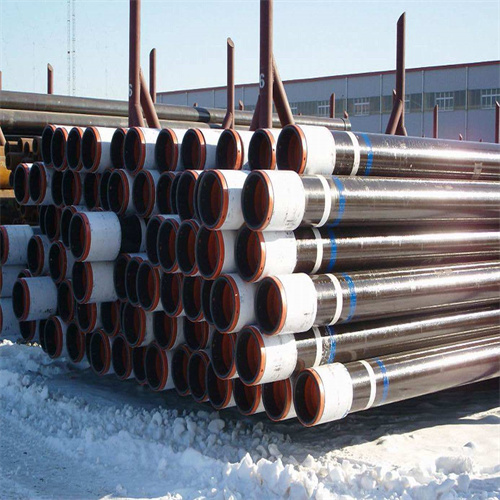
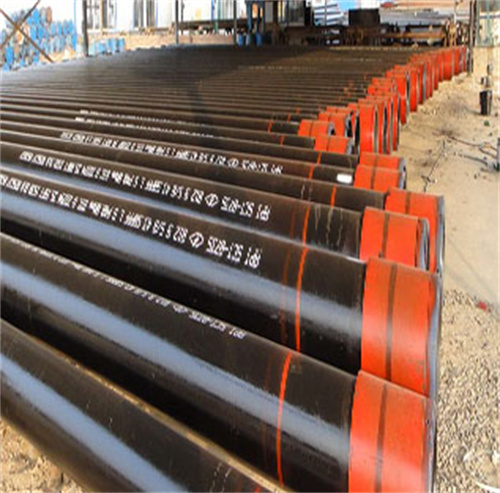
أنبوب غلاف الزيت
بشكل عام، يتشابك سوق أغلفة النفط بشكل عميق مع الأحداث الجيوسياسية التي تشكل المشهد العالمي. من الصراعات والتحالفات إلى السياسات التجارية والأنظمة البيئية، يمكن لمجموعة واسعة من العوامل أن تدفع التغيرات في أسعار النفط. يعد فهم هذه الديناميكيات أمرًا ضروريًا للمستثمرين وصانعي السياسات والجهات الفاعلة في الصناعة الذين يسعون إلى التعامل مع تعقيدات سوق النفط في بيئة جيوسياسية دائمة التغير.
One of the key drivers of change in Oil Casing market Prices is geopolitical tensions. When tensions rise between major oil-producing countries or regions, such as the Middle East or Russia, the market often reacts with increased volatility. Conflicts or the threat of disruptions to oil supply can lead to spikes in prices as traders factor in the potential for supply shortages. Geopolitical tensions can create uncertainty in the market, causing prices to fluctuate as investors weigh the risks associated with political instability.
Conversely, geopolitical agreements and alliances can also impact oil prices. When major oil-producing nations come together to stabilize or increase production, prices may experience downward pressure. For example, agreements within OPEC (Organization of the Petroleum Exporting Countries) to limit or boost production can have a direct impact on oil prices. These agreements are often the result of diplomatic negotiations and can signal stability in the market, leading to more predictable pricing trends.
The influence of geopolitical events on the oil casing market extends beyond direct supply and demand dynamics. Political decisions regarding trade policies, sanctions, and environmental regulations can also shape market conditions. For instance, trade disputes between major economies can disrupt the flow of oil and impact prices. Sanctions imposed on oil-producing countries can restrict their ability to export, leading to changes in global supply levels. Additionally, environmental regulations aimed at reducing carbon emissions can drive up costs for oil producers, affecting pricing in the market.
In recent years, the rise of renewable energy sources and efforts to combat climate change have added another layer of complexity to the relationship between geopolitics and oil prices. As countries shift towards cleaner energy alternatives, the demand for oil may decrease, putting pressure on prices. Geopolitical events that influence the adoption of renewable energy policies or technologies can therefore have indirect effects on the oil casing market.
Overall, the oil casing market is deeply intertwined with geopolitical events that shape the global landscape. From conflicts and alliances to trade policies and environmental regulations, a wide range of factors can drive changes in oil prices. Understanding these dynamics is essential for investors, policyMakers, and industry players seeking to navigate the complexities of the oil market in an ever-changing geopolitical environment.