সরবরাহ এবং চাহিদা গতিবিদ্যা
তেল আবরণ বাজার, তেল এবং গ্যাস শিল্পের একটি গুরুত্বপূর্ণ উপাদান, সরবরাহ এবং চাহিদার গতিশীলতার দ্বারা উল্লেখযোগ্যভাবে প্রভাবিত হয়। বাজারের দামের ওঠানামা বোঝার জন্য এই গতিশীলতা বোঝা অপরিহার্য। এই সম্পর্কের মূলে এই নীতিটি নিহিত যে যখন তেলের আবরণের চাহিদা বৃদ্ধি পায়, তখন দাম বাড়তে থাকে, তবে সরবরাহ স্থির থাকে। বিপরীতভাবে, যদি সরবরাহ চাহিদাকে ছাড়িয়ে যায়, দাম কমার সম্ভাবনা রয়েছে। ভূ-রাজনৈতিক ঘটনা, প্রযুক্তিগত অগ্রগতি এবং অর্থনৈতিক অবস্থা সহ বিভিন্ন বাহ্যিক কারণের দ্বারা এই ইন্টারপ্লে আরও জটিল৷ অন্বেষণ এবং উৎপাদন কার্যক্রম বাড়ার সাথে সাথে তেলের আবরণের প্রয়োজনীয়তা একইভাবে বৃদ্ধি পায়। উদাহরণস্বরূপ, তেলের উচ্চ মূল্যের সময়কালে, কোম্পানিগুলি নতুন ড্রিলিং প্রকল্পে বিনিয়োগ করতে বেশি ঝুঁকে পড়ে, যার ফলে তেলের আবরণের চাহিদা বৃদ্ধি পায়। যাইহোক, এই চাহিদা অঞ্চল জুড়ে অভিন্ন নয়; স্থানীয় বাজার পরিস্থিতি, নিয়ন্ত্রক পরিবেশ এবং সম্পদের প্রাপ্যতার উপর ভিত্তি করে এটি উল্লেখযোগ্যভাবে পরিবর্তিত হতে পারে। ফলস্বরূপ, বিশ্বব্যাপী তেলের দামের ওঠানামা তেলের আবরণের চাহিদার দ্রুত পরিবর্তন ঘটাতে পারে, একটি অস্থির বাজার পরিবেশ তৈরি করে। এবং প্রযুক্তিগত উদ্ভাবন। তেলের আবরণের জন্য প্রাথমিক কাঁচামাল হল ইস্পাত, এবং এর দাম বিশ্বব্যাপী সরবরাহ শৃঙ্খলে বাধা, বাণিজ্য নীতি এবং প্রধান ইস্পাত-উৎপাদনকারী দেশগুলির উত্পাদন স্তরের পরিবর্তন দ্বারা প্রভাবিত হতে পারে। যখন ইস্পাতের দাম বেড়ে যায়, তখন নির্মাতারা বর্ধিত উৎপাদন খরচের সম্মুখীন হতে পারে, যা তেলের আবরণের জন্য উচ্চ মূল্যের দিকে নিয়ে যেতে পারে। অতিরিক্তভাবে, উৎপাদনকারীরা ক্ষমতার সীমাবদ্ধতা বা শ্রমের ঘাটতির কারণে ক্রমবর্ধমান চাহিদার সাথে তাল মিলিয়ে চলতে না পারলে, সরবরাহ কঠোর হতে পারে, দাম আরও বাড়িয়ে দিতে পারে। উৎপাদন প্রক্রিয়ায় উদ্ভাবন আরও দক্ষ উৎপাদন পদ্ধতির দিকে নিয়ে যেতে পারে, খরচ কমাতে পারে এবং সম্ভাব্য দাম কমিয়ে দিতে পারে। উদাহরণস্বরূপ, উন্নত উপকরণ বা স্বয়ংক্রিয় উত্পাদন কৌশল গ্রহণ করা তেলের আবরণের গুণমান এবং স্থায়িত্ব বৃদ্ধি করতে পারে এবং একই সাথে উত্পাদনের সময় হ্রাস করতে পারে। ফলস্বরূপ, যখন নতুন প্রযুক্তি প্রবর্তন করা হয়, তখন তারা সরবরাহের বক্ররেখাকে ডানদিকে স্থানান্তর করতে পারে, যার ফলে চাহিদা স্থির থাকলে দাম কম হতে পারে। চাহিদা তেল-উৎপাদনকারী অঞ্চলে রাজনৈতিক অস্থিতিশীলতা সরবরাহ চেইন ব্যাহত করতে পারে, যার ফলে ঘাটতি এবং দাম বৃদ্ধি পায়। একইভাবে, অর্থনৈতিক মন্দা তেল আবরণের চাহিদা কমাতে পারে কারণ অনুসন্ধান এবং উৎপাদন কার্যক্রম ধীর হয়ে যায়। কোভিড-১৯ মহামারী একটি সাম্প্রতিক উদাহরণ হিসাবে কাজ করে যে কীভাবে বিশ্বব্যাপী ঘটনাগুলি বাজারের গতিশীলতাকে ব্যাপকভাবে পরিবর্তন করতে পারে, যার ফলে চাহিদা উল্লেখযোগ্যভাবে কমে যায় এবং পরবর্তী মূল্য হ্রাস পায়।
নিয়ন্ত্রক প্রভাব এবং নীতি
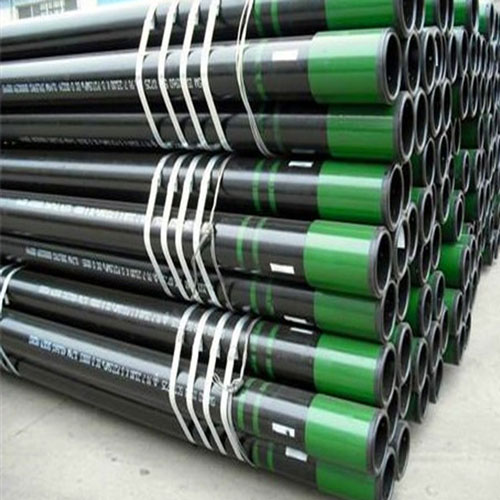
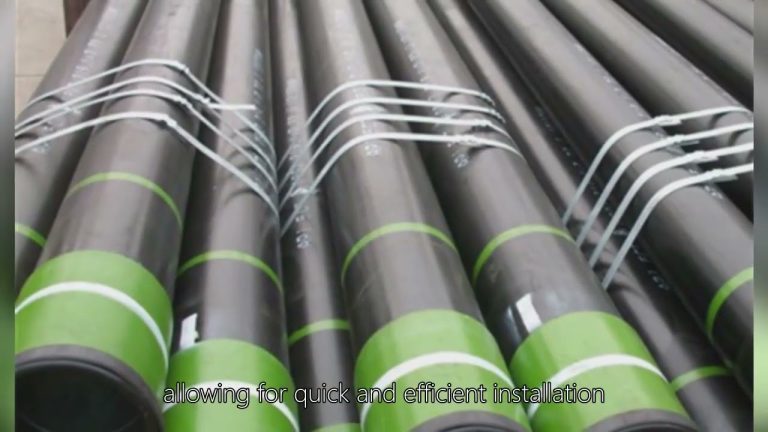
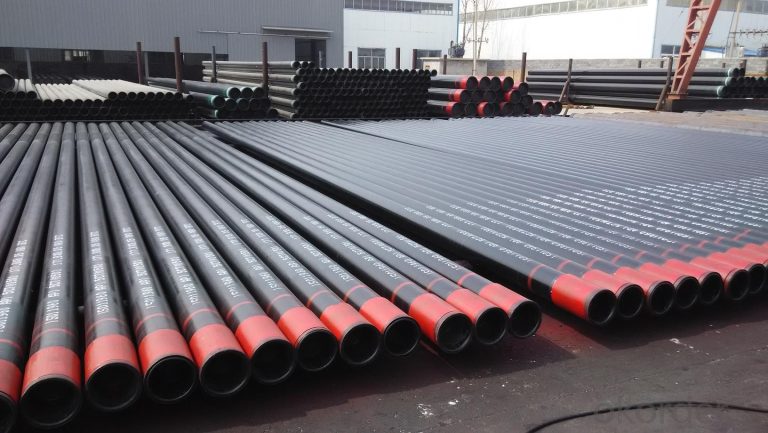
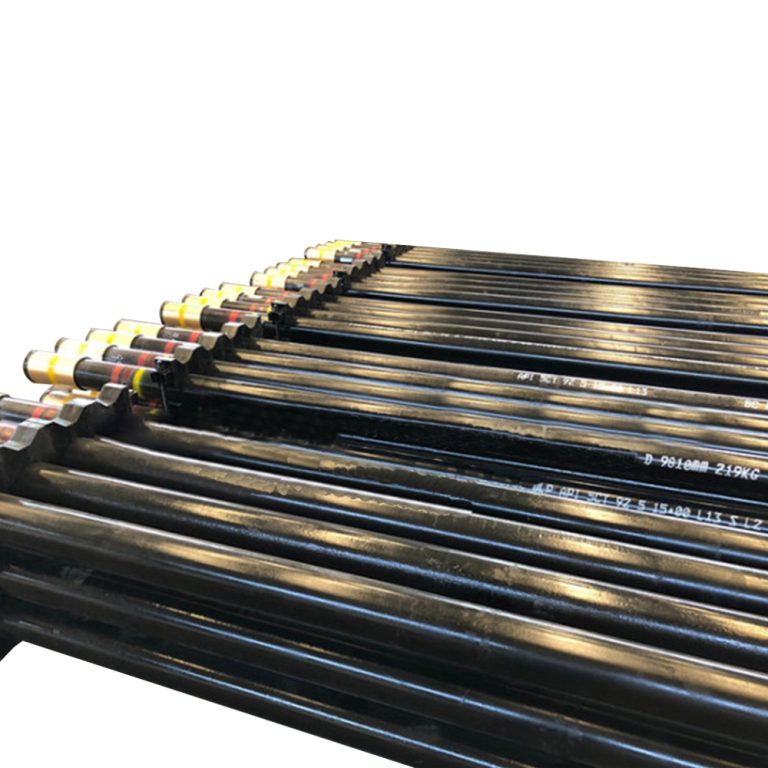
API 5ct l80 9Cr কেসিং চীন সেরা সরবরাহকারী
বৈশ্বিক অর্থনৈতিক অবস্থা এবং ভূ-রাজনৈতিক ঘটনা
তেল আবরণ বাজার, তেল এবং গ্যাস শিল্পের একটি গুরুত্বপূর্ণ উপাদান, বিভিন্ন বাজার কাঠামোর কারণ, বিশেষ করে বিশ্বব্যাপী অর্থনৈতিক অবস্থা এবং ভূ-রাজনৈতিক ঘটনা দ্বারা উল্লেখযোগ্যভাবে প্রভাবিত হয়। বিনিয়োগকারী, নির্মাতা এবং নীতিনির্ধারক সহ স্টেকহোল্ডারদের জন্য এই প্রভাবগুলি বোঝা অপরিহার্য, কারণ তারা এই সেক্টরে মূল্য নির্ধারণের জটিলতাগুলি নেভিগেট করে৷ বৈশ্বিক অর্থনৈতিক অবস্থা, চাহিদা এবং সরবরাহের ওঠানামা দ্বারা চিহ্নিত, তেল আবরণ মূল্য নির্ধারণে একটি মুখ্য ভূমিকা পালন করে। উদাহরণস্বরূপ, অর্থনৈতিক প্রবৃদ্ধির সময়কালে, বর্ধিত শিল্প কার্যকলাপ উচ্চ শক্তি খরচের দিকে পরিচালিত করে, যার ফলে তেল ও গ্যাস উত্তোলনের চাহিদা বেড়ে যায়। নিষ্কাশন কার্যক্রমের জন্য এই বর্ধিত চাহিদা তেলের আবরণ ব্যবহার করার প্রয়োজনীয়তা তৈরি করে, যার ফলে এর দামের উপর ঊর্ধ্বমুখী চাপ পড়ে। বিপরীতভাবে, অর্থনৈতিক মন্দার সময়, কম শিল্প উৎপাদন এবং নিম্ন শক্তি খরচ তেলের আবরণের চাহিদা হ্রাসের দিকে পরিচালিত করতে পারে, যার ফলে মূল্য হ্রাস পায়। . উদাহরণস্বরূপ, চীন বা মার্কিন যুক্তরাষ্ট্রের মতো একটি প্রধান অর্থনীতিতে মন্দার কারণে তেল ও গ্যাসের চাহিদা কমে যেতে পারে, যা শুধুমাত্র সেই দেশগুলিতেই নয় বরং রপ্তানির উপর নির্ভরশীল তেল-উৎপাদনকারী দেশগুলিতেও দামকে প্রভাবিত করে৷ এই আন্তঃসংযোগ বিশ্বব্যাপী অর্থনৈতিক সূচক, যেমন জিডিপি বৃদ্ধির হার, বেকারত্বের পরিসংখ্যান এবং ভোক্তাদের আস্থার সূচকগুলি পর্যবেক্ষণ করার গুরুত্বকে আন্ডারস্কোর করে, কারণ তারা তেলের আবরণের চাহিদার সম্ভাব্য পরিবর্তন সম্পর্কে মূল্যবান অন্তর্দৃষ্টি প্রদান করে।
অর্থনৈতিক অবস্থার পাশাপাশি, ভূ-রাজনৈতিক ঘটনাগুলি তেল আবরণ বাজার প্রভাবিত আরেকটি গুরুত্বপূর্ণ ফ্যাক্টর. তেল ও গ্যাস শিল্প ভূ-রাজনৈতিক উত্তেজনার জন্য বিশেষভাবে সংবেদনশীল, কারণ দ্বন্দ্ব, নিষেধাজ্ঞা এবং রাজনৈতিক অস্থিতিশীলতা সরবরাহ চেইন ব্যাহত করতে পারে এবং উৎপাদনের স্তরকে প্রভাবিত করতে পারে। উদাহরণস্বরূপ, মধ্যপ্রাচ্যে উত্তেজনা, তেলের রিজার্ভ সমৃদ্ধ একটি অঞ্চল, সরবরাহ ব্যাহত হওয়ার আশঙ্কা তৈরি করতে পারে, যা বাজারের অংশগ্রহণকারীদের দাম বাড়িয়ে প্রতিক্রিয়া জানাতে প্ররোচিত করে। একইভাবে, তেল-উৎপাদনকারী দেশগুলির উপর আরোপিত নিষেধাজ্ঞাগুলি তাদের তেল রপ্তানি করার ক্ষমতাকে সীমিত করতে পারে, যার ফলে তেলের আবরণ বাজারে সরবরাহের ঘাটতি এবং পরবর্তী মূল্য বৃদ্ধি পেতে পারে। যখন অনিশ্চয়তা বিরাজ করে, বিনিয়োগকারীরা নিরাপদ আশ্রয় হিসাবে তেলের মতো পণ্যের দিকে ঝাঁপিয়ে পড়তে পারে, দাম আরও বাড়িয়ে দিতে পারে। এই ঘটনাটি ভূ-রাজনৈতিক স্থিতিশীলতা এবং বাজারের গতিশীলতার মধ্যে জটিল সম্পর্ককে তুলে ধরে, বহিরাগত কারণগুলি কীভাবে তেলের আবরণের দামে অস্থিরতা তৈরি করতে পারে তা তুলে ধরে। উৎপাদন কোটা সংক্রান্ত OPEC-এর সিদ্ধান্তগুলি বিশ্বব্যাপী তেলের দামকে উল্লেখযোগ্যভাবে প্রভাবিত করতে পারে, যা ফলস্বরূপ তেলের আবরণের বাজারকে প্রভাবিত করে। যখন ওপেক স্থিতিশীল বা দাম বৃদ্ধির জন্য উৎপাদন কমানোর সিদ্ধান্ত নেয়, তখন উৎপাদকদের নতুন বাজারের বাস্তবতার সাথে মানিয়ে নেওয়ার ফলে, ফলের ঘাটতি তেলের আবরণের জন্য উচ্চতর খরচের দিকে নিয়ে যেতে পারে। ভূ-রাজনৈতিক ঘটনা, উভয়ই দামের ওঠানামায় অবদান রাখে। অর্থনৈতিক বৃদ্ধি বা পতন সরাসরি তেলের আবরণের চাহিদাকে প্রভাবিত করে, যখন ভূ-রাজনৈতিক উত্তেজনা বাজারে অস্থিরতা এবং অনিশ্চয়তা তৈরি করতে পারে। স্টেকহোল্ডারদের অবশ্যই সজাগ থাকতে হবে এবং একটি চির-বিকশিত ল্যান্ডস্কেপে কৌশলগত সিদ্ধান্ত নিতে এই কারণগুলি সম্পর্কে অবগত থাকতে হবে। বাজারের প্রবণতা অনুমান করার জন্য এবং তেল আবরণ সেক্টরে মূল্য নির্ধারণের জটিলতাগুলি নেভিগেট করার জন্য এই উপাদানগুলির মধ্যে পারস্পরিক সম্পর্ক বোঝা গুরুত্বপূর্ণ৷
Moreover, safety regulations play a pivotal role in determining the operational costs associated with Oil Casing. Compliance with safety standards requires investments in technology and training, which can further elevate production expenses. As Companies strive to meet these regulatory requirements, the increased costs can lead to higher Prices for oil casing products. Additionally, the enforcement of safety regulations can impact the availability of oil casing in the market. If Manufacturers face penalties for non-compliance, they may reduce production or even exit the market, leading to a decrease in supply and, consequently, an increase in prices.
Trade policies also significantly influence the oil casing market. Tariffs and trade agreements can alter the competitive landscape, affecting both domestic and international Suppliers. For example, if a country imposes tariffs on imported oil casing, domestic manufacturers may benefit from reduced competition, allowing them to raise prices. Conversely, if trade agreements facilitate the import of cheaper oil casing from other countries, this influx can lead to lower prices in the domestic market. The interplay between domestic production and international trade is crucial in understanding price changes in the oil casing market.
Furthermore, government subsidies and incentives can also impact pricing. When governments provide financial support to oil casing Manufacturers, it can lower production costs, enabling companies to offer their products at more competitive prices. This can stimulate demand and potentially lead to a more stable pricing environment. However, the withdrawal of such subsidies can have the opposite effect, resulting in increased costs and higher prices for consumers.
In addition to these factors, the overall economic environment, influenced by regulatory policies, plays a significant role in shaping the oil casing market. Economic downturns can lead to reduced investment in oil exploration and production, thereby decreasing demand for oil casing. Conversely, during periods of economic growth, increased exploration activities can drive up demand, leading to higher prices. The cyclical nature of the economy, coupled with regulatory influences, creates a complex landscape for the oil casing market.
Moreover, the global nature of the oil industry means that regulatory changes in one country can have ripple effects across the globe. For instance, if a major oil-producing country implements new regulations that affect production costs, it can lead to price increases that are felt worldwide. This interconnectedness underscores the importance of understanding regulatory influences when analyzing price changes in the oil casing market.
In conclusion, the oil casing market is subject to a myriad of regulatory influences and policies that significantly impact pricing. From environmental and safety regulations to trade policies and economic conditions, these factors create a complex interplay that shapes supply and demand dynamics. As the industry contiNues to evolve, staying informed about regulatory changes will be essential for stakeholders seeking to navigate the intricacies of the oil casing market and anticipate price fluctuations effectively.
Global Economic Conditions and Geopolitical Events
The oil casing market, a critical component of the Oil and Gas industry, is significantly influenced by various market structure factors, particularly global economic conditions and geopolitical events. Understanding these influences is essential for stakeholders, including investors, manufacturers, and policyMakers, as they navigate the complexities of pricing in this sector. Global economic conditions, characterized by fluctuations in demand and supply, play a pivotal role in determining oil casing Prices. For instance, during periods of economic growth, increased industrial activity leads to higher energy consumption, which in turn drives up the demand for oil and gas extraction. This heightened demand for extraction activities necessitates The use of oil casing, thereby exerting upward pressure on its prices. Conversely, during economic downturns, reduced industrial output and lower energy consumption can lead to a decrease in demand for oil casing, resulting in price declines.
Moreover, the interconnectedness of global markets means that economic conditions in one region can have ripple effects worldwide. For example, a slowdown in a major economy, such as china or the United States, can lead to decreased demand for oil and gas, affecting prices not only in tHose countries but also in oil-producing nations reliant on exports. This interconnectedness underscores the importance of monitoring global economic indicators, such as GDP growth rates, unemployment figures, and consumer confidence indices, as they provide valuable insights into potential shifts in demand for oil casing.
In addition to economic conditions, geopolitical events are another critical factor influencing the oil casing market. The oil and gas industry is particularly susceptible to geopolitical tensions, as conflicts, sanctions, and political instability can disrupt supply chains and affect production levels. For instance, tensions in the Middle East, a region rich in oil reserves, can lead to fears of supply disruptions, prompting market participants to react by driving up prices. Similarly, sanctions imposed on oil-producing countries can restrict their ability to export oil, leading to supply shortages and subsequent price increases in the oil casing market.
Furthermore, geopolitical events can also impact investor sentiment and market speculation. When uncertainty prevails, investors may flock to commodities like oil as a safe haven, further driving up prices. This phenomenon illustrates the intricate relationship between geopolitical stability and market dynamics, highlighting how external factors can create volatility in oil casing prices.
Additionally, the role of OPEC (Organization of the Petroleum Exporting Countries) cannot be overlooked in this context. OPEC’s decisions regarding production quotas can significantly influence global oil prices, which in turn affects the oil casing market. When OPEC decides to cut production to stabilize or increase prices, the resulting scarcity can lead to higher costs for oil casing, as manufacturers adjust to the new market realities.
In conclusion, the oil casing market is intricately linked to global economic conditions and geopolitical events, both of which contribute to price fluctuations. Economic growth or decline directly influences demand for oil casing, while geopolitical tensions can create volatility and uncertainty in the market. Stakeholders must remain vigilant and informed about these factors to make strategic decisions in an ever-evolving landscape. Understanding the interplay between these elements is crucial for anticipating market trends and navigating the complexities of pricing in the oil casing sector.