Ugavi na Uhitaji Mienendo
Vishawishi na Sera za Udhibiti
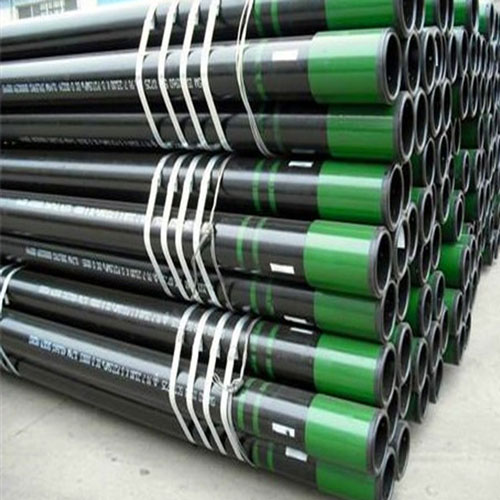
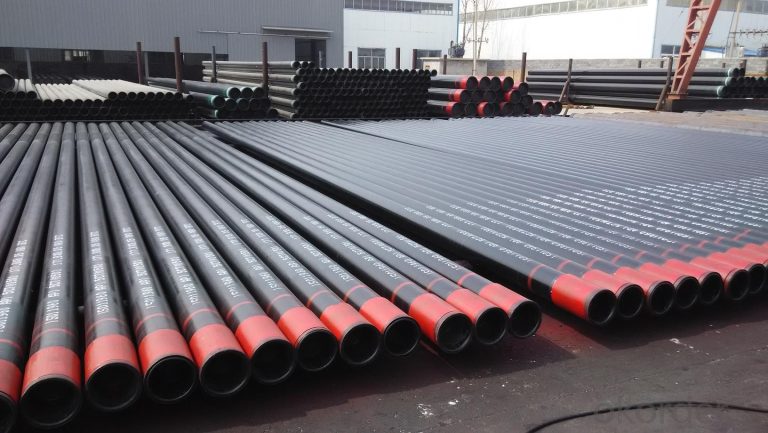
API 5ct l80 9Cr Casing china Msambazaji Bora zaidi
Hali za Kiuchumi Duniani na Matukio ya Kijiografia
Soko la kabati la mafuta, sehemu muhimu ya tasnia ya mafuta na gesi, linaathiriwa kwa kiasi kikubwa na mambo mbalimbali ya muundo wa soko, hasa hali ya uchumi wa dunia na matukio ya kijiografia. Kuelewa athari hizi ni muhimu kwa washikadau, wakiwemo wawekezaji, watengenezaji na watunga sera, wanapopitia matatizo changamano ya uwekaji bei katika sekta hii. Hali ya uchumi wa kimataifa, inayoangaziwa na kushuka kwa mahitaji na usambazaji, ina jukumu muhimu katika kuamua bei ya casing ya mafuta. Kwa mfano, wakati wa ukuaji wa uchumi, kuongezeka kwa shughuli za viwanda husababisha matumizi makubwa ya nishati, ambayo huongeza mahitaji ya uchimbaji wa mafuta na gesi. Kuongezeka kwa mahitaji haya ya shughuli za uchimbaji kunahitaji matumizi ya kabati ya mafuta, na hivyo kutoa shinikizo la kupanda kwa bei zake. Kinyume chake, wakati wa kudorora kwa uchumi, kupungua kwa pato la viwanda na matumizi ya chini ya nishati kunaweza kusababisha kupungua kwa mahitaji ya kabati ya mafuta, na kusababisha kushuka kwa bei.
Aidha, muunganisho wa soko la kimataifa unamaanisha kuwa hali ya uchumi katika eneo moja inaweza kuwa na athari mbaya ulimwenguni kote. . Kwa mfano, kudorora kwa uchumi mkubwa, kama vile Uchina au Marekani, kunaweza kusababisha kupungua kwa mahitaji ya mafuta na gesi, na hivyo kuathiri bei sio tu katika nchi hizo bali hata katika mataifa yanayozalisha mafuta yanayotegemea mauzo ya nje. Muunganisho huu unasisitiza umuhimu wa kufuatilia viashiria vya uchumi wa kimataifa, kama vile viwango vya ukuaji wa Pato la Taifa, takwimu za ukosefu wa ajira, na fahirisi za imani ya watumiaji, kwani zinatoa maarifa muhimu kuhusu mabadiliko yanayoweza kutokea katika mahitaji ya ukubwa wa mafuta.
Mbali na hali ya kiuchumi, matukio ya kijiografia na kisiasa sababu nyingine muhimu inayoathiri soko la kabati la mafuta. Sekta ya mafuta na gesi huathiriwa hasa na mivutano ya kijiografia, kwani mizozo, vikwazo na ukosefu wa utulivu wa kisiasa vinaweza kutatiza misururu ya ugavi na kuathiri viwango vya uzalishaji. Kwa mfano, mvutano katika Mashariki ya Kati, eneo lenye utajiri wa hifadhi ya mafuta, unaweza kusababisha hofu ya kukatizwa kwa usambazaji, na kusababisha washiriki wa soko kuguswa na kuongeza bei. Vile vile, vikwazo vilivyowekwa kwa nchi zinazozalisha mafuta vinaweza kuzuia uwezo wao wa kuuza mafuta nje, na kusababisha uhaba wa usambazaji na ongezeko la bei katika soko la kuhifadhi mafuta.
Aidha, matukio ya kijiografia yanaweza pia kuathiri hisia za wawekezaji na uvumi wa soko. Wakati hali ya kutokuwa na uhakika inapotawala, wawekezaji wanaweza kumiminika kwa bidhaa kama vile mafuta kama kimbilio salama, na hivyo kuongeza bei. Jambo hili linaonyesha uhusiano tata kati ya uthabiti wa kijiografia na mienendo ya soko, likiangazia jinsi mambo ya nje yanavyoweza kuleta tete katika bei ya mafuta.
Aidha, jukumu la OPEC (Shirika la Nchi Zinazouza Petroli) haliwezi kupuuzwa katika muktadha huu. Maamuzi ya OPEC kuhusu viwango vya uzalishaji yanaweza kuathiri pakubwa bei ya mafuta duniani, ambayo kwa upande wake huathiri soko la kabati la mafuta. Wakati OPEC inapoamua kupunguza uzalishaji ili kuleta utulivu au kuongeza bei, uhaba unaoweza kusababisha unaweza kusababisha gharama kubwa zaidi za uwekaji mafuta, kwani watengenezaji wa bidhaa wanarekebisha hali halisi ya soko. matukio ya kisiasa ya kijiografia, ambayo yote yanachangia kushuka kwa bei. Ukuaji wa uchumi au kushuka huathiri moja kwa moja mahitaji ya hifadhi ya mafuta, wakati mivutano ya kijiografia inaweza kuunda tete na kutokuwa na uhakika katika soko. Wadau lazima wakae macho na kufahamishwa kuhusu mambo haya ili kufanya maamuzi ya kimkakati katika mazingira yanayoendelea kubadilika. Kuelewa mwingiliano kati ya vipengele hivi ni muhimu kwa kutazamia mwelekeo wa soko na kuabiri ugumu wa uwekaji bei katika sekta ya uwekaji mafuta.
API 5CT L80 9Cr CASING China Best Supplier
Moreover, safety regulations play a pivotal role in determining the operational costs associated with Oil Casing. Compliance with safety standards requires investments in technology and training, which can further elevate production expenses. As Companies strive to meet these regulatory requirements, the increased costs can lead to higher Prices for oil casing products. Additionally, the enforcement of safety regulations can impact the availability of oil casing in the market. If Manufacturers face penalties for non-compliance, they may reduce production or even exit the market, leading to a decrease in supply and, consequently, an increase in prices.
Trade policies also significantly influence the oil casing market. Tariffs and trade agreements can alter the competitive landscape, affecting both domestic and international Suppliers. For example, if a country imposes tariffs on imported oil casing, domestic manufacturers may benefit from reduced competition, allowing them to raise prices. Conversely, if trade agreements facilitate the import of cheaper oil casing from other countries, this influx can lead to lower prices in the domestic market. The interplay between domestic production and international trade is crucial in understanding price changes in the oil casing market.
Furthermore, government subsidies and incentives can also impact pricing. When governments provide financial support to oil casing Manufacturers, it can lower production costs, enabling companies to offer their products at more competitive prices. This can stimulate demand and potentially lead to a more stable pricing environment. However, the withdrawal of such subsidies can have the opposite effect, resulting in increased costs and higher prices for consumers.
In addition to these factors, the overall economic environment, influenced by regulatory policies, plays a significant role in shaping the oil casing market. Economic downturns can lead to reduced investment in oil exploration and production, thereby decreasing demand for oil casing. Conversely, during periods of economic growth, increased exploration activities can drive up demand, leading to higher prices. The cyclical nature of the economy, coupled with regulatory influences, creates a complex landscape for the oil casing market.
Moreover, the global nature of the oil industry means that regulatory changes in one country can have ripple effects across the globe. For instance, if a major oil-producing country implements new regulations that affect production costs, it can lead to price increases that are felt worldwide. This interconnectedness underscores the importance of understanding regulatory influences when analyzing price changes in the oil casing market.
In conclusion, the oil casing market is subject to a myriad of regulatory influences and policies that significantly impact pricing. From environmental and safety regulations to trade policies and economic conditions, these factors create a complex interplay that shapes supply and demand dynamics. As the industry contiNues to evolve, staying informed about regulatory changes will be essential for stakeholders seeking to navigate the intricacies of the oil casing market and anticipate price fluctuations effectively.
Global Economic Conditions and Geopolitical Events
The oil casing market, a critical component of the Oil and Gas industry, is significantly influenced by various market structure factors, particularly global economic conditions and geopolitical events. Understanding these influences is essential for stakeholders, including investors, manufacturers, and policyMakers, as they navigate the complexities of pricing in this sector. Global economic conditions, characterized by fluctuations in demand and supply, play a pivotal role in determining oil casing Prices. For instance, during periods of economic growth, increased industrial activity leads to higher energy consumption, which in turn drives up the demand for oil and gas extraction. This heightened demand for extraction activities necessitates The use of oil casing, thereby exerting upward pressure on its prices. Conversely, during economic downturns, reduced industrial output and lower energy consumption can lead to a decrease in demand for oil casing, resulting in price declines.
Moreover, the interconnectedness of global markets means that economic conditions in one region can have ripple effects worldwide. For example, a slowdown in a major economy, such as China or the United States, can lead to decreased demand for oil and gas, affecting prices not only in tHose countries but also in oil-producing nations reliant on exports. This interconnectedness underscores the importance of monitoring global economic indicators, such as GDP growth rates, unemployment figures, and consumer confidence indices, as they provide valuable insights into potential shifts in demand for oil casing.
In addition to economic conditions, geopolitical events are another critical factor influencing the oil casing market. The oil and gas industry is particularly susceptible to geopolitical tensions, as conflicts, sanctions, and political instability can disrupt supply chains and affect production levels. For instance, tensions in the Middle East, a region rich in oil reserves, can lead to fears of supply disruptions, prompting market participants to react by driving up prices. Similarly, sanctions imposed on oil-producing countries can restrict their ability to export oil, leading to supply shortages and subsequent price increases in the oil casing market.
Furthermore, geopolitical events can also impact investor sentiment and market speculation. When uncertainty prevails, investors may flock to commodities like oil as a safe haven, further driving up prices. This phenomenon illustrates the intricate relationship between geopolitical stability and market dynamics, highlighting how external factors can create volatility in oil casing prices.
Additionally, the role of OPEC (Organization of the Petroleum Exporting Countries) cannot be overlooked in this context. OPEC’s decisions regarding production quotas can significantly influence global oil prices, which in turn affects the oil casing market. When OPEC decides to cut production to stabilize or increase prices, the resulting scarcity can lead to higher costs for oil casing, as manufacturers adjust to the new market realities.
In conclusion, the oil casing market is intricately linked to global economic conditions and geopolitical events, both of which contribute to price fluctuations. Economic growth or decline directly influences demand for oil casing, while geopolitical tensions can create volatility and uncertainty in the market. Stakeholders must remain vigilant and informed about these factors to make strategic decisions in an ever-evolving landscape. Understanding the interplay between these elements is crucial for anticipating market trends and navigating the complexities of pricing in the oil casing sector.