Visão geral do tubo API 5ct de aço carbono: propriedades e aplicações
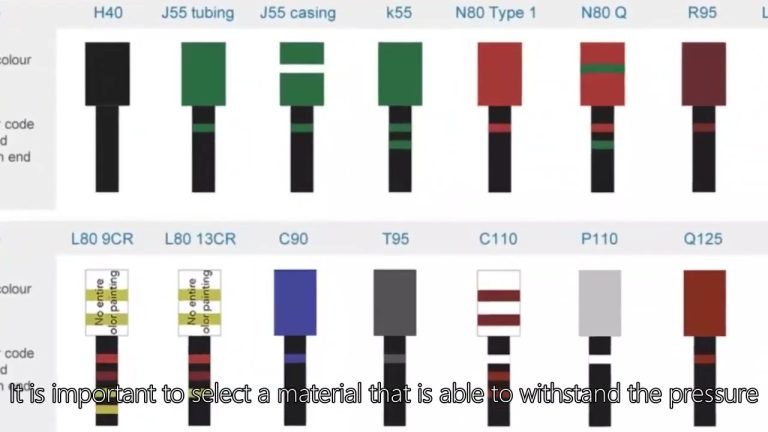
Os tubos de aço carbono API 5CT são componentes essenciais na indústria de petróleo e gás, projetados especificamente para atender às rigorosas demandas das operações de perfuração e produção. A especificação API 5CT, estabelecida pelo American Petroleum Institute, descreve os requisitos para revestimentos e tubulações utilizados na extração de petróleo e gás natural. Entre as diversas classes especificadas, a classe l80 é particularmente notável devido às suas propriedades e aplicações exclusivas. O grau L80 é caracterizado por sua maior resistência e resistência à corrosão, tornando-o adequado para uso em ambientes onde prevalece a presença de sulfeto de hidrogênio e dióxido de carbono. Isto é crucial, pois esses elementos podem afetar significativamente a integridade do sistema de tubulação, levando a falhas potenciais se não forem tratados adequadamente.
As propriedades dos tubos de aço carbono API 5CT, especialmente aqueles do grau L80, incluem uma resistência mínima ao escoamento de 80.000 psi, o que proporciona a durabilidade necessária para suportar as condições de alta pressão encontradas durante as operações de perfuração. Além disso, a classe L80 apresenta boa soldabilidade e conformabilidade, permitindo facilidade de instalação e manutenção. A composição química dos tubos L80 normalmente inclui uma mistura equilibrada de carbono, manganês, fósforo, enxofre e outros elementos de liga, que contribuem para suas propriedades mecânicas e desempenho geral. O processo de fabricação desses tubos envolve rigorosas medidas de controle de qualidade, garantindo que atendam às especificações e padrões exigidos pela API.
tubos anulares melhor fabricante chinês
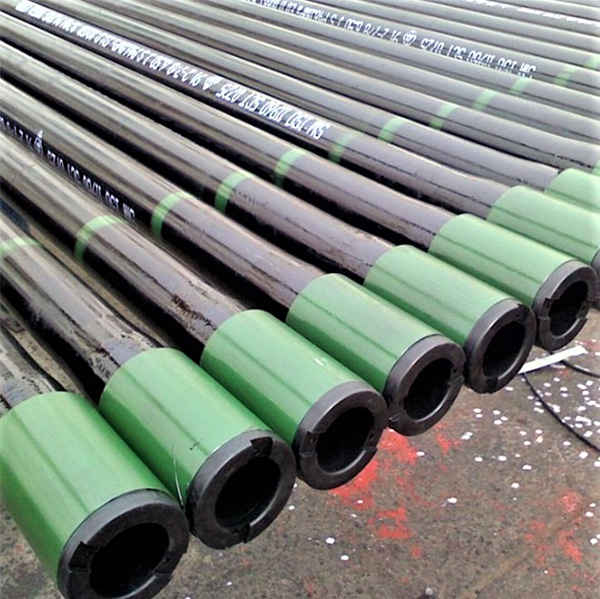
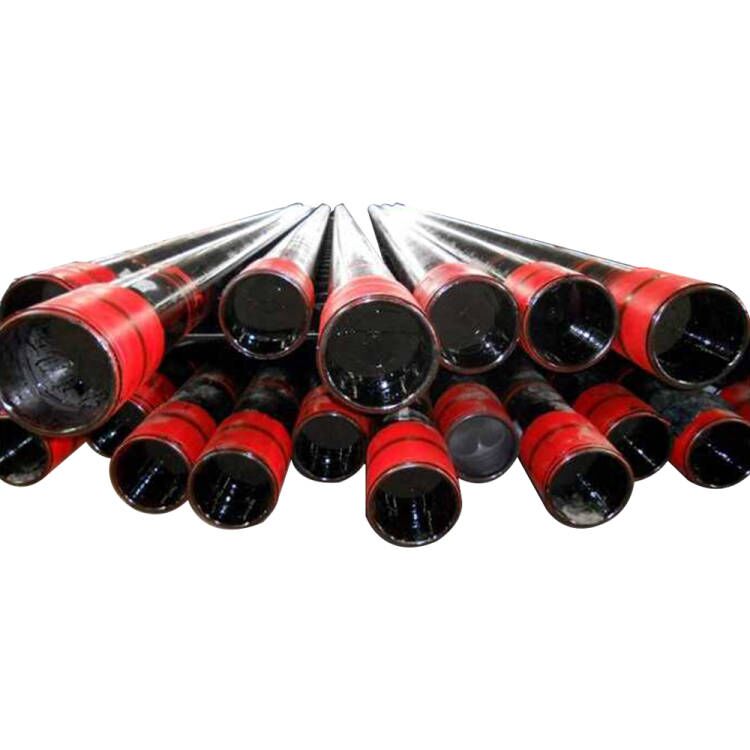
Em termos de aplicações, os tubos de aço carbono API 5CT são usados principalmente no setor de petróleo e gás para fins de revestimento e tubulação. Tubos de revestimento são instalados no poço para fornecer integridade estrutural e evitar o colapso do poço, enquanto tubos tubulares são usados para transportar hidrocarbonetos do reservatório para a superfície. A classe L80 é particularmente preferida em aplicações de serviços ácidos, onde o risco de corrosão é aumentado devido à presença de Gases corrosivos. Isso o torna a escolha ideal para operações de perfuração offshore e em regiões onde as condições geológicas são desafiadoras.
Além disso, a versatilidade dos tubos de aço carbono API 5CT vai além da indústria de petróleo e gás. Também são utilizados em diversos projetos de construção e infraestrutura, onde sua resistência e durabilidade são vantajosas. Por exemplo, estes tubos podem ser empregados na construção de tubulações para sistemas de água e esgoto, bem como em aplicações estruturais onde é necessária alta resistência. A adaptabilidade dos tubos L80 a diferentes ambientes e condições aumenta ainda mais o seu apelo para engenheiros e gestores de projeto.
À medida que a procura de energia continua a crescer, a importância de sistemas de tubagem fiáveis e de alta qualidade não pode ser exagerada. Os tubos de aço carbono API 5CT, principalmente o grau L80, desempenham um papel crucial na garantia da eficiência e segurança dos processos de extração de petróleo e gás. Com os avanços contínuos nas técnicas de fabrico e na ciência dos materiais, espera-se que o desempenho destes tubos melhore, solidificando ainda mais a sua posição como pedra angular do sector energético. Concluindo, as propriedades e aplicações dos tubos de aço carbono API 5CT, especialmente o grau L80, destacam sua importância na indústria de petróleo e gás e além dela. Sua capacidade de resistir a condições adversas, mantendo a integridade estrutural, torna-os um ativo indispensável nas práticas modernas de engenharia e construção.
Fundições líderes na produção de tubos trefilados API 5CT grau L80
No domínio da exploração de petróleo e gás, a importância da tubulação de alta qualidade não pode ser exagerada, especialmente quando se trata do tubo trefilado API 5CT Grau L80. Este tipo específico de tubo de aço carbono foi projetado para suportar as condições exigentes dos ambientes de fundo de poço, tornando-o um componente crítico na extração e transporte de hidrocarbonetos. As principais fundições desempenham um papel fundamental na produção desses tubos, empregando técnicas de fabricação avançadas e medidas rigorosas de controle de qualidade para garantir que os produtos finais atendam aos rigorosos padrões estabelecidos pelo American Petroleum Institute (API).
A produção de API 5CT O tubo trefilado grau L80 começa com a seleção cuidadosa das matérias-primas. As fundições fornecem aço carbono de alta qualidade, essencial para atingir as propriedades mecânicas e a resistência à corrosão desejadas. O aço passa por uma série de processos, incluindo fusão, fundição e conformação, para criar o tubo. Durante essas etapas, as fundições utilizam tecnologia de ponta, como fornos elétricos a arco e máquinas de fundição contínua, para aumentar a eficiência e manter a consistência nas propriedades do Material. Este investimento tecnológico não só melhora a qualidade dos tubos como também reduz os custos de produção, permitindo às fundições manterem-se competitivas num mercado global.
Uma vez preparada a matéria-prima, o passo seguinte passa pelo processo de trefilação, que é crucial para alcançar o dimensões precisas e acabamento superficial exigidos para tubos API 5CT Grau L80. Esse processo envolve puxar o aço por uma série de matrizes, o que reduz seu diâmetro e aumenta seu comprimento. O tubo trefilado deve atender a tolerâncias específicas para garantir ajuste e funcionamento adequados em aplicações de fundo de poço. As principais fundições empregam técnicos qualificados que monitoram de perto o processo de trefilação, fazendo os ajustes necessários para manter a integridade do tubo.
A garantia de qualidade é a base do processo de produção nas principais fundições. Cada lote de tubo trefilado API 5CT Grau L80 passa por testes rigorosos para verificar suas propriedades mecânicas, incluindo resistência ao escoamento, resistência à tração e alongamento. Métodos de testes não destrutivos, como inspeções ultrassônicas e radiográficas, são empregados para detectar quaisquer defeitos internos ou externos que possam comprometer o desempenho do tubo. Ao aderir às especificações API e implementar protocolos abrangentes de controle de qualidade, as fundições garantem que seus produtos sejam confiáveis e seguros para uso em aplicações críticas.
Além disso, o papel das fundições líderes vai além da mera produção; eles também se envolvem em pesquisa e desenvolvimento para inovar e melhorar suas ofertas. À medida que a indústria do petróleo e do gás evolui, também evoluem os desafios associados à extracção e ao transporte. As fundições estão cada vez mais focadas no desenvolvimento de novas ligas e revestimentos que melhorem o desempenho dos tubos trefilados API 5CT Grau L80 em ambientes corrosivos. Este compromisso com a inovação não só beneficia as próprias fundições, mas também contribui para a eficiência e sustentabilidade globais do sector do petróleo e do gás.
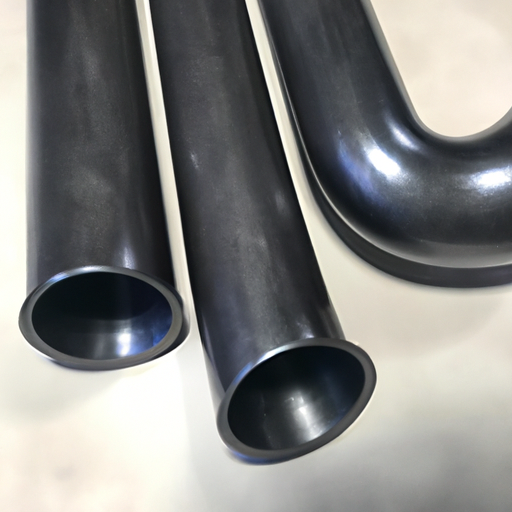 Concluindo, a produção de tubos trefilados API 5CT Grau L80 é um processo complexo que requer a experiência das principais fundições. Através da seleção cuidadosa de materiais, técnicas avançadas de fabricação e medidas rigorosas de controle de qualidade, essas fundições garantem que seus produtos atendam aos altos padrões exigidos pela indústria. À medida que continuam a inovar e a adaptar-se ao cenário em mudança da exploração de petróleo e gás, as principais fundições continuarão a ser parte integrante da cadeia de abastecimento, fornecendo os componentes essenciais necessários para operações bem-sucedidas em ambientes desafiantes.
Padrões de qualidade e métodos de teste para tubos de aço carbono api 5ct l80
Os padrões de qualidade e métodos de teste para tubos de aço carbono API 5CT L80 são componentes críticos para garantir a confiabilidade e o desempenho desses materiais essenciais na indústria de petróleo e gás. API 5CT é uma especificação desenvolvida pelo American Petroleum Institute que descreve os requisitos para revestimentos e tubulações utilizados na perfuração e produção de poços de petróleo e gás. O grau L80, em particular, foi projetado para fornecer maior resistência e resistência à corrosão, tornando-o adequado para diversas aplicações, incluindo ambientes de serviços ácidos onde o sulfeto de hidrogênio está presente.
Para manter a integridade dos tubos API 5CT L80, os fabricantes devem aderir a rigorosos padrões de qualidade que abrangem diversos aspectos da produção, desde a seleção da matéria-prima até a inspeção final. O American Petroleum Institute estabelece esses padrões, que incluem especificações de composição química, propriedades mecânicas e tolerâncias dimensionais. A composição química dos tubos L80 normalmente inclui uma mistura equilibrada de carbono, manganês, fósforo, enxofre e outros elementos de liga que contribuem para a resistência e durabilidade geral do material. As propriedades mecânicas, como limite de escoamento, resistência à tração e alongamento, também são especificadas para garantir que os tubos possam suportar as condições exigentes encontradas na extração de petróleo e gás.
Além de aderir às especificações químicas e mecânicas, os fabricantes empregam uma variedade de métodos de teste para verificar a qualidade dos tubos API 5CT L80. Um dos métodos de ensaio mais comuns é o processo de ensaio não destrutivo (END), que permite a detecção de defeitos internos e externos sem comprometer a integridade do tubo. Técnicas como testes ultrassônicos, testes de partículas magnéticas e testes radiográficos são frequentemente utilizadas para identificar quaisquer falhas que possam afetar o desempenho dos tubos. Esses métodos são essenciais para garantir que os tubos atendam aos padrões de segurança e desempenho exigidos antes de serem implantados em campo.
Além disso, o próprio processo de fabricação está sujeito a rigorosas medidas de controle de qualidade. Isto inclui a implementação de um sistema de gestão da qualidade alinhado com as normas internacionais, como a ISO 9001. Tais sistemas garantem que todas as etapas da produção, desde a aquisição de matérias-primas até à inspeção final dos produtos acabados, sejam meticulosamente monitorizadas e controladas. Esta abordagem abrangente ao gerenciamento da qualidade não apenas aumenta a confiabilidade dos tubos, mas também promove a melhoria contínua nas práticas de fabricação.
Outro aspecto crítico da garantia de qualidade para tubos API 5CT L80 é o processo de certificação. Os fabricantes muitas vezes buscam certificação de terceiros de organizações reconhecidas para validar sua conformidade com os padrões API. Esta certificação proporciona uma camada adicional de garantia aos clientes, pois significa que os tubos foram submetidos a testes exaustivos e cumprem os padrões de qualidade necessários. Além disso, aumenta a credibilidade do fabricante no mercado, pois os clientes são mais propensos a confiar em produtos que foram verificados de forma independente.
Concluindo, os padrões de qualidade e métodos de teste para tubos de aço carbono API 5CT L80 são essenciais para garantir seu desempenho e confiabilidade em ambientes desafiadores. Ao aderir a especificações rigorosas, empregando técnicas de testes avançadas e implementando sistemas robustos de gestão de qualidade, os fabricantes podem produzir tubos que atendam às altas demandas da indústria de petróleo e gás. O compromisso com a qualidade não só salvaguarda a integridade das tubulações, mas também contribui para a segurança e eficiência geral das operações de petróleo e gás, beneficiando, em última análise, a indústria como um todo.