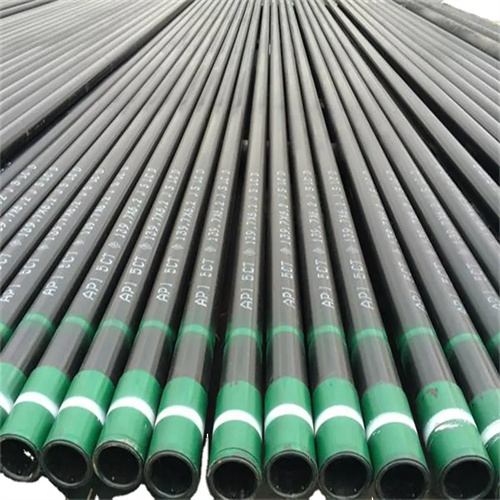
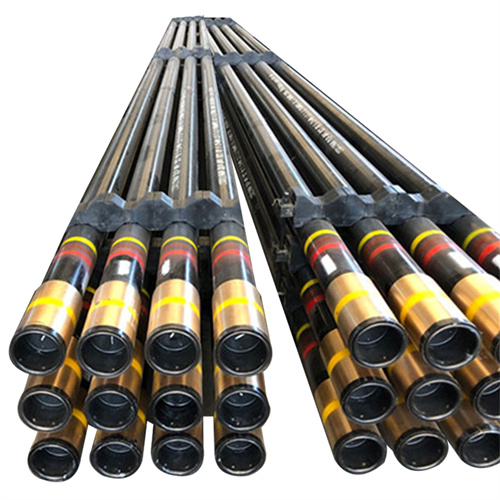
Carbon Steel API 5ct Pipe manufacturing process
The manufacturing process of Carbon Steel API 5CT Pipes, particularly the API 5CT grade l80 small-Diameter Pipes, is a complex and meticulous procedure that ensures the production of high-quality Materials suitable for various applications in the Oil and Gas industry. The API 5CT specification outlines the requirements for Casing and Tubing used in the drilling and completion of oil and gas wells, and the Grade L80 designation indicates a specific yield strength and chemical composition that meets stringent industry standards.
The process begins with the selection of raw materials, primarily carbon steel, which is cHosen for its strength, durability, and resistance to corrosion. The steel is typically sourced from reputable Suppliers who adhere to strict quality control measures. Once the raw materials are procured, they undergo a series of preparatory steps, including cutting and shaping, to create the initial form of the pipe. This stage is crucial, as it sets the foundation for the subsequent manufacturing processes.
Following the initial shaping, the steel is subjected to a series of heating and forming operations. The heating process, often conducted in a controlled environment, allows the steel to become malleable, facilitating the formation of the desired pipe dimensions. This is typically achieved through processes such as hot rolling or extrusion, where the heated steel is passed through rollers or forced through a die to achieve the required diameter and Wall thickness. The precision of these operations is vital, as any deviations can affect the pipe’s performance and integrity.
 Once the pipes are formed, they undergo a cooling process, which is equally important in determining the final properties of the material. Controlled cooling helps to refine the microstructure of the steel, enhancing its mechanical properties. After cooling, the pipes are subjected to various Non-destructive testing methods, such as ultrasonic testing or radiographic inspection, to identify any internal or external defects. These tests are essential for ensuring that the pipes meet the rigorous standards set forth by the API 5CT specification.
In addition to testing, the pipes may also undergo surface treatment processes, such as pickling or coating, to enhance their resistance to corrosion and improve their overall durability. These treatments not only extend the lifespan of the pipes but also ensure that they can withstand the harsh conditions often encountered in oil and gas applications. The final stage of the manufacturing process involves cutting the pipes to the specified Lengths and preparing them for shipment. This includes proper labeling and packaging to ensure that the pipes are delivered safely and efficiently to their intended destinations.
Throughout the entire manufacturing process, adherence to quality control measures is paramount. Prominent Factories that produce Carbon Steel API 5CT pipes invest in advanced technology and skilled personnel to maintain high standards of production. By implementing rigorous quality assurance protocols, these Manufacturers ensure that their products not only meet but often exceed industry expectations. As a result, API 5CT Grade L80 small-diameter pipes are recognized for their reliability and performance, making them a preferred choice for operators in the oil and gas sector. The combination of advanced manufacturing techniques, stringent quality control, and a commitment to excellence positions these factories as leaders in the production of high-quality Carbon Steel Pipes.
Applications of API 5CT Grade L80 Small-Diameter Pipe
API 5CT Grade L80 small-diameter pipe is a crucial component in various industries, particularly in the oil and gas sector. This specific grade of pipe is designed to withstand high pressures and temperatures, making it suitable for use in challenging environments. The applications of API 5CT Grade L80 small-diameter pipe are diverse, reflecting its versatility and reliability. One of the primary applications of this pipe is in the production of oil and gas. It is commonly used in the Construction of Well Casings and Tubing, which are essential for maintaining the integrity of the wellbore. The L80 grade is particularly valued for its strength and resistance to corrosion, which are critical factors in ensuring the longevity and safety of oil and gas extraction operations.
In addition to its use in well casings, API 5CT Grade L80 small-diameter pipe is also employed in various pipeline systems. These systems transport oil, gas, and other fluids from production sites to processing facilities. The small diameter of the pipe allows for easier handling and installation, particularly in areas with limited space. Furthermore, the L80 grade’s mechanical properties ensure that the pipe can withstand the stresses associated with fluid transport, including pressure fluctuations and temperature changes. This reliability is essential for maintaining operational efficiency and minimizing the risk of leaks or failures.
Another significant application of API 5CT Grade L80 small-diameter pipe is in the construction of offshore platforms. The oil and gas industry often relies on offshore drilling to access underwater reserves, and the infrastructure required for these operations must be robust and durable. The L80 grade pipe is well-suited for this purpose, as it can endure the harsh marine environment, including exposure to saltwater and extreme weather conditions. By utilizing API 5CT Grade L80 small-diameter pipe in offshore applications, Companies can enhance the safety and efficiency of their operations while reducing Maintenance costs over time.
Moreover, the versatility of API 5CT Grade L80 small-diameter pipe extends to its use in geothermal energy applications. As the demand for renewable energy sources contiNues to grow, the need for reliable piping solutions in geothermal systems has become increasingly important. The L80 grade pipe can be used in the construction of geothermal wells, where it is subjected to high temperatures and corrosive fluids. Its ability to withstand these challenging conditions makes it an ideal choice for geothermal energy projects, contributing to the development of sustainable energy solutions.
ASTM a252In addition to these applications, API 5CT Grade L80 small-diameter pipe is also utilized in various industrial processes, including chemical manufacturing and water treatment. The pipe’s resistance to corrosion and High strength make it suitable for transporting aggressive chemicals and fluids, ensuring the safety and efficiency of industrial operations. As industries continue to evolve and seek more efficient and reliable piping solutions, the demand for API 5CT Grade L80 small-diameter pipe is expected to grow.
In conclusion, the applications of API 5CT Grade L80 small-diameter pipe are extensive and varied, spanning across the oil and gas sector, offshore platforms, geothermal energy, and industrial processes. Its strength, Corrosion resistance, and versatility make it an essential component in these industries, ensuring the safe and efficient transport of fluids and the integrity of critical infrastructure. As technology advances and the need for reliable piping solutions increases, API 5CT Grade L80 small-diameter pipe will continue to play a vital role in supporting various applications.