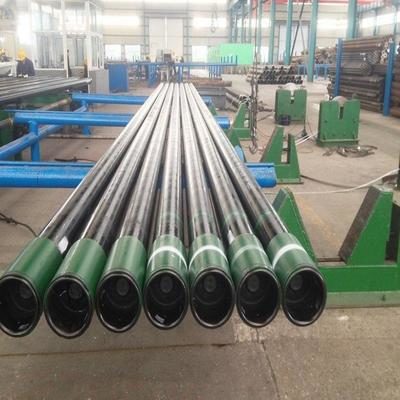
Evolution of Oil Casing Materials and Technologies
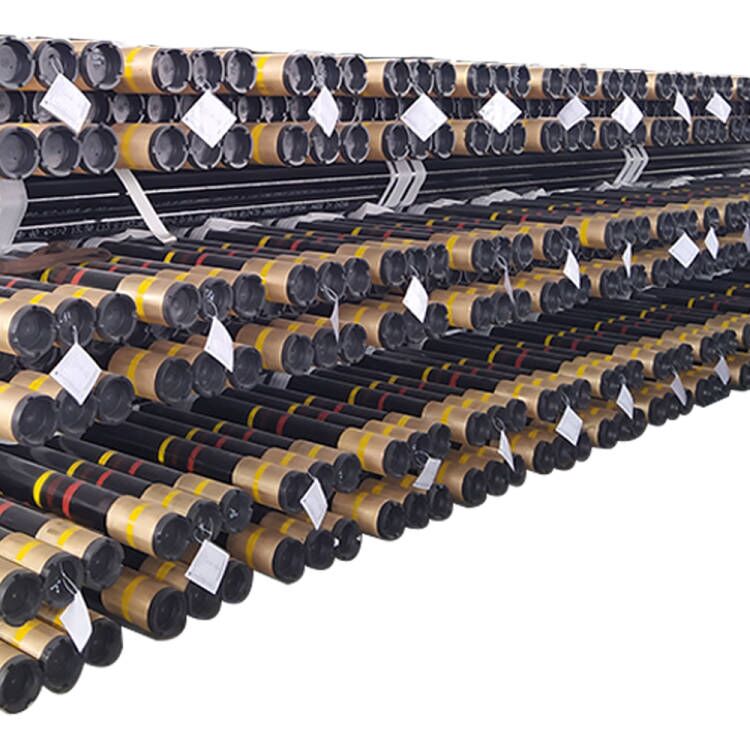
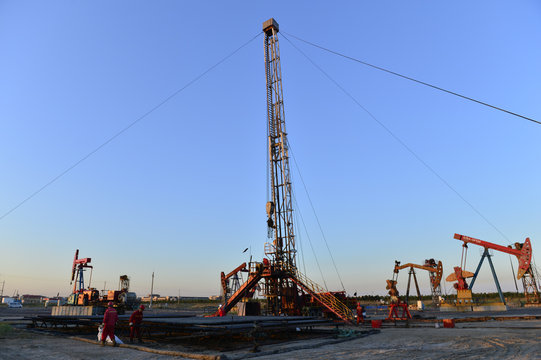
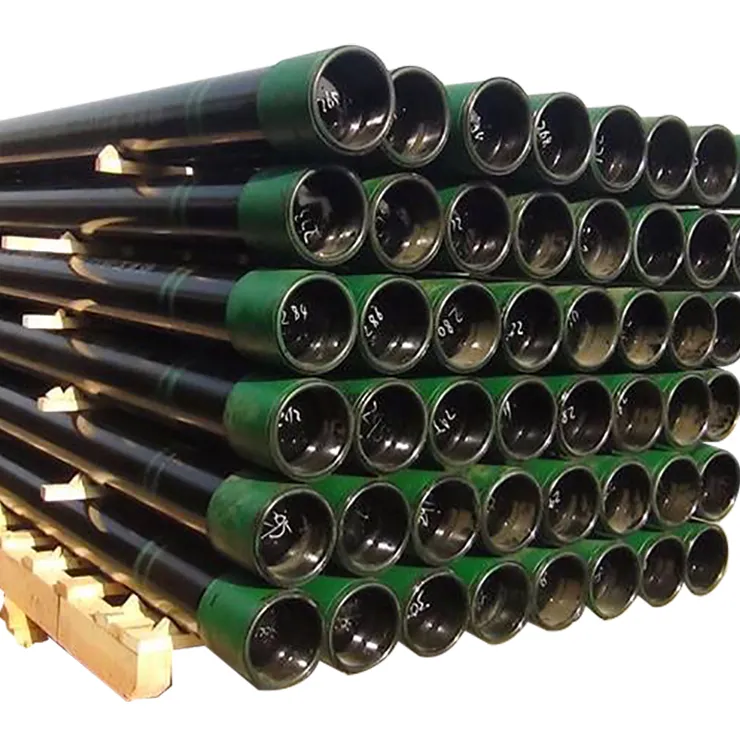
The evolution of oil casing materials and technologies has significantly impacted the Oil and Gas industry, bringing about both opportunities and challenges. Over the years, advancements in materials science and engineering have led to the development of more durable and efficient oil casing materials. These innovations have enabled oil Companies to drill deeper and access previously untapped reserves, ultimately increasing production levels.
One of the key implications of these changes in oil casing technology is the improved resistance to corrosion and wear. Traditional Steel casings were prone to degradation over time due to exposure to harsh downhole conditions. However, the introduction of corrosion-resistant alloys and composite materials has extended the lifespan of oil casings, reducing the need for frequent replacements and Maintenance.
Moreover, the use of advanced materials has also enhanced the overall integrity of Oil Wells, reducing the risk of leaks and blowouts. By incorporating materials with higher tensile strength and better fatigue resistance, oil companies can ensure the structural integrity of their wells even under high-pressure conditions. This not only improves safety standards but also minimizes environmental risks associated with oil drilling operations.
In addition to material advancements, technological innovations have revolutionized the way oil casings are designed and installed. The introduction of automated casing running tools and real-time monitoring systems has streamlined the casing installation process, making it more efficient and cost-effective. These technologies enable operators to monitor casing integrity in real-time, detect potential issues early on, and take proactive measures to prevent failures.
Despite these advancements, the evolving landscape of oil casing materials and technologies also presents challenges that need to be addressed. One such challenge is the increasing complexity of downhole environments, which require casings to withstand higher temperatures, pressures, and corrosive substances. As oil companies venture into deeper waters and unconventional reservoirs, the demand for advanced casing materials that can withstand these extreme conditions contiNues to grow.
To overcome these challenges, industry stakeholders are investing in research and development to create innovative solutions. This includes the development of nanocomposite materials, smart casing technologies, and predictive maintenance systems. Nanocomposites offer superior mechanical properties and Corrosion resistance, making them ideal for demanding downhole environments. Smart casing technologies incorporate sensors and actuators to monitor casing conditions and adjust parameters in real-time, enhancing operational efficiency and safety. Predictive maintenance systems use data analytics and machine learning algorithms to predict potential failures and optimize maintenance schedules, reducing downtime and operational costs.
In conclusion, the evolution of oil casing materials and technologies has brought about significant changes in the oil and gas industry, with implications for production efficiency, safety, and environmental sustainability. By embracing these advancements and investing in innovative solutions, oil companies can navigate the challenges posed by evolving downhole environments and continue to drive progress in the technical world of oil casing.
Impact of Digitalization on Oil Casing Design and Manufacturing
The impact of digitalization on oil casing design and manufacturing has been profound in recent years. As technology continues to advance, the oil and gas industry has seen significant changes in how oil casing is designed, produced, and implemented. These changes have brought about both opportunities and challenges for companies operating in this sector.
One of the key implications of digitalization in oil casing design is the ability to create more complex and customized designs. With the use of advanced software and modeling techniques, engineers can now develop casing solutions that are tailored to specific well conditions and requirements. This level of customization allows for improved performance and efficiency in oil extraction operations.
Furthermore, digitalization has enabled greater collaboration and communication among stakeholders involved in the oil casing supply chain. Through the use of digital platforms and tools, designers, Manufacturers, and operators can work together more effectively to ensure that casing designs meet the necessary standards and specifications. This streamlined communication process helps to reduce errors and delays in the manufacturing and deployment of oil casing systems.
In addition to design improvements, digitalization has also had a significant impact on the manufacturing process of oil casing. Advanced manufacturing technologies, such as 3D printing and automated machining, have revolutionized the way casing components are produced. These technologies allow for faster production times, reduced waste, and improved quality control in the manufacturing process.
However, along with these benefits come challenges that companies must address in order to fully leverage the potential of digitalization in oil casing design and manufacturing. One such challenge is the need for skilled personnel who are proficient in using the latest digital tools and technologies. Companies must invest in training and development programs to ensure that their workforce is equipped to handle the complexities of digitalized oil casing design and manufacturing.
Another challenge is the issue of cybersecurity and data protection. As more data is generated and shared digitally throughout the oil casing supply chain, companies must prioritize cybersecurity measures to protect sensitive information from cyber threats and breaches. Implementing robust cybersecurity protocols and encryption techniques is essential to safeguarding valuable intellectual property and proprietary data.
To overcome these challenges, companies in the oil and gas industry must adopt a proactive approach to digitalization. This includes investing in training programs for employees, implementing robust cybersecurity measures, and fostering a culture of innovation and collaboration within the organization. By embracing digitalization and leveraging the latest technologies, companies can stay ahead of the curve and drive continued advancements in oil casing design and manufacturing.
Sustainability Practices in Oil Casing Production and Disposal
The oil casing industry has witnessed significant changes in recent years, leading to both challenges and opportunities in sustainability practices. As technology advances, the implications of these changes on oil casing production and disposal are becoming increasingly apparent. One of the key areas of focus is the environmental impact of oil casing production processes. Traditional methods often involve the use of materials that are harmful to the environment, leading to pollution and resource depletion.
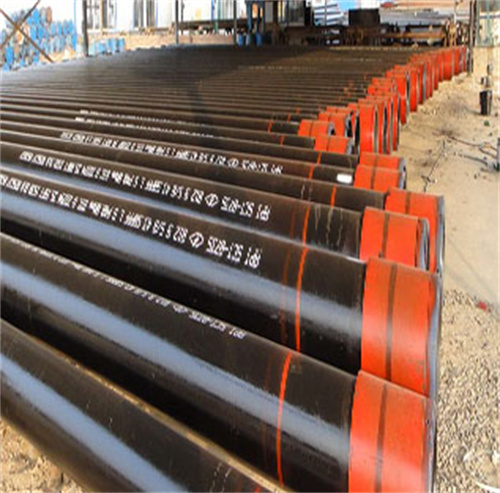
In response to these challenges, the industry is shifting towards more sustainable practices. This includes the adoption of eco-friendly materials and processes that reduce the carbon footprint of oil casing production. Companies are investing in research and development to find innovative solutions that minimize environmental harm while maintaining the quality and integrity of the casings.
Another important aspect of sustainability in oil casing production is the efficient use of resources. By optimizing production processes and reducing waste, companies can lower their overall environmental impact. This involves implementing recycling programs for used casings and exploring alternative materials that are both durable and environmentally friendly.
Disposal of oil casings is another critical issue in the industry. Improper disposal can lead to contamination of soil and water sources, posing a threat to ecosystems and human health. To address this challenge, companies are developing responsible disposal practices that minimize environmental harm. This includes proper treatment and recycling of used casings to prevent pollution and promote resource conservation.
china Best MakersIn addition to environmental concerns, the social implications of oil casing production and disposal are also being considered. Communities near oil production sites often bear the brunt of environmental degradation and health risks associated with improper disposal practices. Companies are increasingly engaging with local stakeholders to ensure that their operations are conducted in a socially responsible manner.
Technological advancements play a crucial role in driving sustainability practices in the oil casing industry. Innovations such as digital monitoring systems and data analytics enable companies to track and optimize their production processes in real-time. This not only improves efficiency but also helps reduce waste and minimize environmental impact.
Overall, the changes in the oil casing technical world have far-reaching implications for sustainability practices. By embracing eco-friendly materials, optimizing resource use, and implementing responsible disposal methods, the industry is moving towards a more sustainable future. Collaboration between industry stakeholders, government regulators, and local communities is essential to ensure that these practices are effectively implemented and enforced. Through collective efforts, the oil casing industry can mitigate its environmental footprint and contribute to a more sustainable energy sector.