Choosing the Right Oil Casing: A Comprehensive Guide
Choosing the Right Oil Casing: A Comprehensive Guide
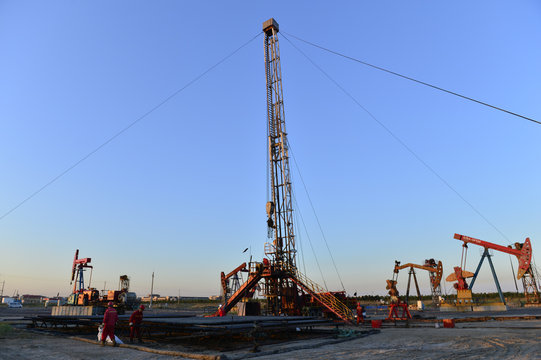
Selecting the appropriate oil casing is a critical decision in the Oil and Gas industry, influencing the safety, efficiency, and environmental impact of drilling operations. The intricate process of selecting casing involves considering multiple factors to ensure optimal performance and reliability. This guide aims to provide clarity on the key considerations involved in choosing oil casing, addressing concerns related to comfort, safety, health, stability, and serenity in drilling operations.
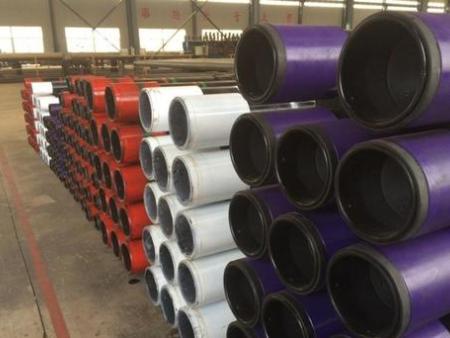
Oil casing serves as a protective barrier in Oil Wells, preventing collapse and ensuring the integrity of the wellbore. It must withstand extreme pressures, corrosive environments, and varying geological conditions. One of the primary considerations when choosing casing is the Material composition. Common materials include Carbon Steel, alloy steel, and Stainless Steel, each offering different levels of strength, Corrosion resistance, and cost-effectiveness. The selection depends on factors such as well depth, formation characteristics, and regulatory requirements.
Beyond material, casing design plays a crucial role in well integrity. Factors such as casing Weight, Wall thickness, and Connection type impact the casing’s load-bearing capacity and resistance to pressure. Thicker walls provide greater strength but increase costs and weight, influencing logistical considerations during installation. Modern designs incorporate advanced alloys and proprietary connections to enhance performance under challenging conditions, ensuring reliability throughout the well’s lifespan.
In addition to mechanical properties, casing selection addresses environmental and regulatory considerations. Environmental stewardship requires casing materials and fluids that minimize ecological impact during drilling and production. Regulatory compliance mandates adherence to safety standards and operational protocols to protect workers and surrounding communities. Choosing casing involves collaboration among engineers, environmental specialists, and regulatory agencies to ensure alignment with industry best practices and legal requirements.
Safety remains paramount in oil drilling operations, underscoring the importance of rigorous testing and certification processes for casing materials and designs. Non-destructive testing techniques such as ultrasonic inspection and magnetic particle testing validate structural integrity and detect potential defects before deployment. These tests mitigate risks associated with casing failures, safeguarding personnel and equipment while optimizing operational efficiency.
Health considerations extend beyond safety to include the well-being of workers exposed to drilling fluids and emissions. Casing materials and coatings must meet stringent health standards to minimize exposure to harmful substances and ensure a safe working environment. innovations in casing technology prioritize human health by reducing emissions and enhancing operational efficiency through improved wellbore stability and fluid management.
Stability in casing selection encompasses operational reliability and financial sustainability. Wellbore stability depends on the casing’s ability to withstand downhole pressures and maintain integrity under dynamic conditions. Choosing robust casing solutions minimizes risks of collapse, casing deformation, and production interruptions, thereby safeguarding investments and ensuring consistent oil and gas production.
Stamping Logo Essential Oil Bottle Packaging Kraft Paper Tube Cylinder Box Cosmetics Packaging Perfume Stick TubeAchieving serenity in oil casing selection involves comprehensive risk assessment and proactive planning. Engineers evaluate geological data, operational parameters, and historical performance metrics to anticipate challenges and mitigate potential failures. Collaborative partnerships between operators, service providers, and regulatory bodies foster transparency and accountability in casing selection, promoting a culture of continuous improvement and environmental stewardship.
 In conclusion, choosing the right oil casing involves navigating a complex landscape of technical specifications, environmental considerations, regulatory requirements, and operational constraints. By prioritizing safety, health, stability, and environmental stewardship, stakeholders can mitigate risks, enhance operational efficiency, and ensure sustainable resource extraction. Thoughtful selection of casing materials, designs, and testing protocols is essential to achieving optimal outcomes in oil and gas drilling, underscoring the industry’s commitment to responsible practices and long-term viability.