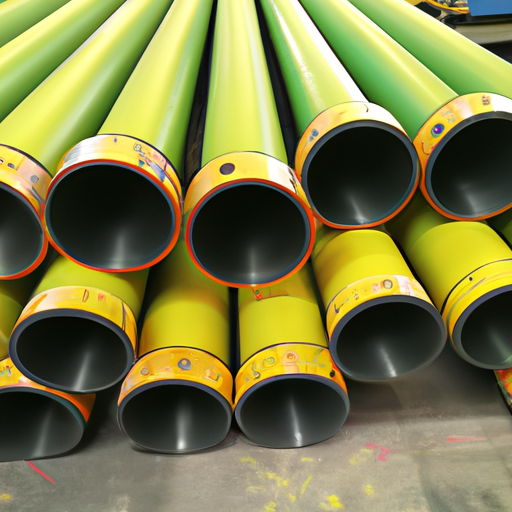
Understanding the Importance of Proper Selection Criteria for Oil Casing
Diverse Trends of Oil Casing: Do You Really Know the Selection Foundation?
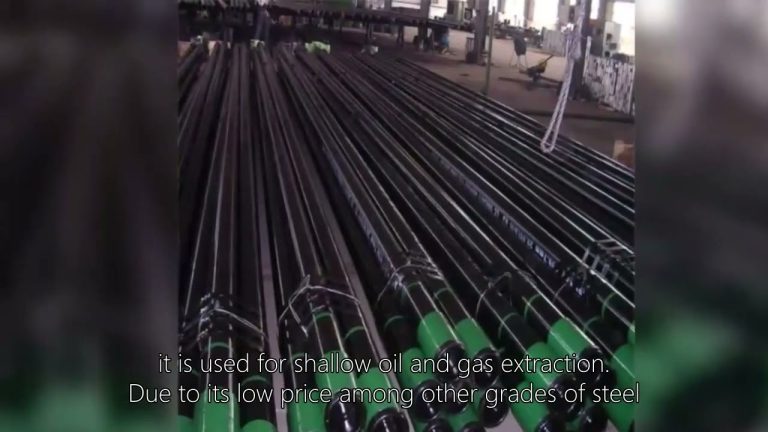
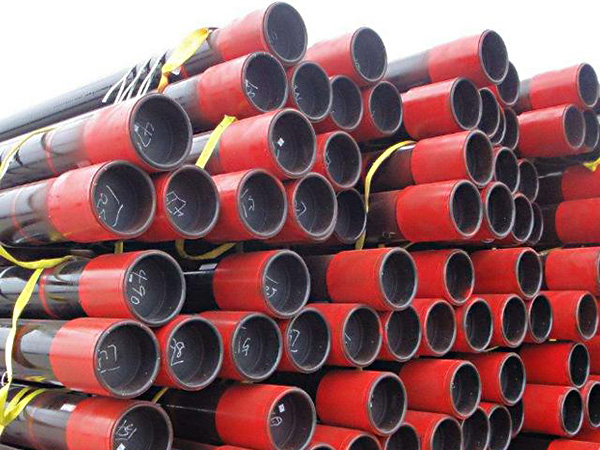
Oil casing plays a critical role in the Oil and Gas industry, serving as a protective barrier that ensures the integrity of wells during drilling and production operations. The selection of appropriate casing is not merely a matter of choice but is guided by a complex set of criteria that influence performance and reliability in various geological and operational contexts.
One of the foremost considerations in casing selection is the depth and pressure conditions of the well. Wells drilled in deeper formations or tHose subjected to higher pressures require casing that can withstand these extreme conditions without compromising safety or operational efficiency. This necessitates the use of Materials and designs that offer superior strength and resistance to corrosion over extended periods.
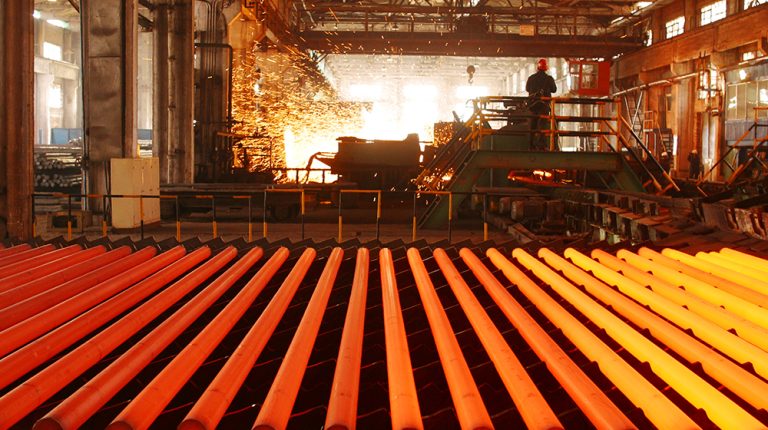
In recent years, technological advancements have brought forth a range of innovative casing materials and designs. High-strength Steels, such as API grades with enhanced properties, are increasingly preferred for their ability to withstand higher pressures and temperatures encountered in deep drilling environments. These materials not only improve the structural integrity of the well but also contribute to overall cost-efficiency by reducing the need for frequent Maintenance and replacements.
Furthermore, the geographical location of the well plays a crucial role in casing selection. Wells situated in corrosive environments, such as offshore rigs or regions with high levels of hydrogen sulfide, require casing materials that exhibit exceptional Corrosion resistance. Stainless Steels and corrosion-resistant alloys are favored in such scenarios, offering longevity and reliability in harsh conditions where traditional materials might deteriorate rapidly.
Another pivotal aspect of casing selection is its compatibility with downhole equipment and completion techniques. Casing serves as a conduit for various Downhole Tools and instruments used in well completion and production processes. Therefore, the casing must be selected to accommodate these tools seamlessly, ensuring efficient operations and minimizing the risk of mechanical failures or operational delays.
Moreover, the design and configuration of Casing strings influence well performance and productivity. The choice between running a single casing string or employing multiple strings (e.g., a surface casing, intermediate casing, and Production casing) depends on the specific well requirements, including depth, formation stability, and regulatory standards. Each casing string serves a distinct purpose in well Construction and operation, collectively contributing to the overall integrity and longevity of the wellbore.
In addition to mechanical and operational considerations, environmental factors also weigh heavily in casing selection. Increasingly stringent environmental regulations necessitate the use of casing materials and technologies that minimize the risk of fluid leaks or seepage, thereby safeguarding groundwater resources and preventing environmental contamination.

Ultimately, the selection of oil casing is a multifaceted decision that requires careful consideration of geological, operational, technological, and environmental factors. By adhering to stringent selection criteria and leveraging advancements in materials and design, operators can enhance the safety, efficiency, and longevity of oil and gas wells worldwide. This strategic approach not only mitigates risks associated with drilling and production but also supports sustainable practices in resource extraction.
Wood CraftIn conclusion, the diverse trends in oil casing underscore the importance of informed decision-making based on a robust understanding of geological conditions, operational requirements, and technological advancements. By embracing innovation and adhering to best practices in casing selection, stakeholders can optimize well performance while minimizing environmental impact, thus paving the way for a more sustainable future in the oil and gas industry.