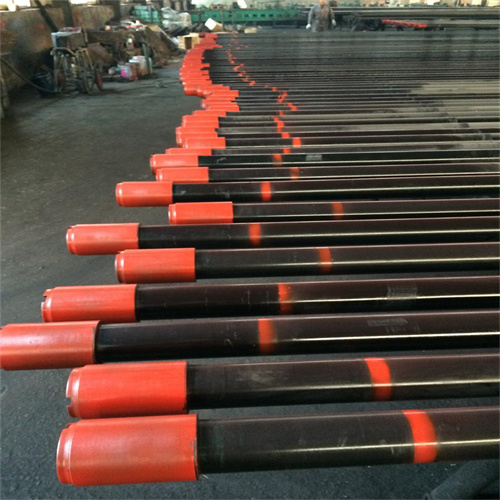
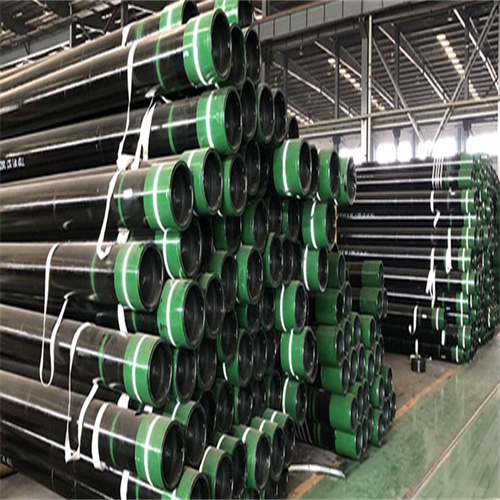
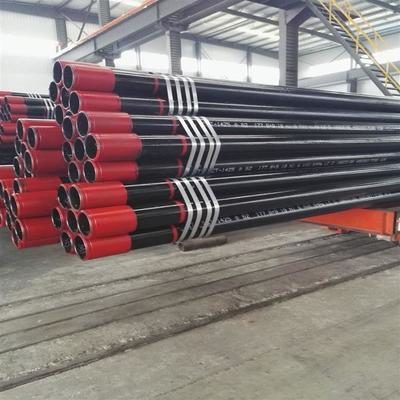
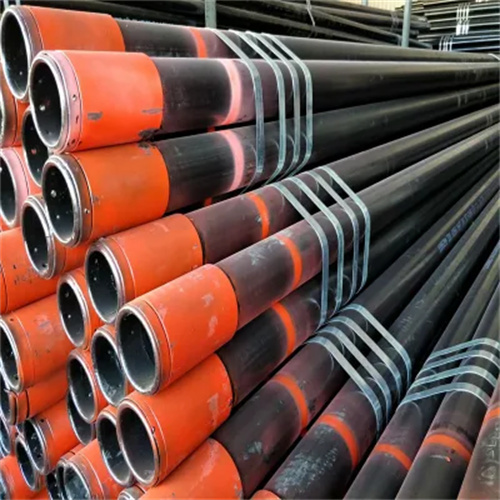
Analyse comparative des prix des boîtiers en acier au carbone et des oléoducs sans soudure API 5ct N80, l80 et P110
connecteur de tube,
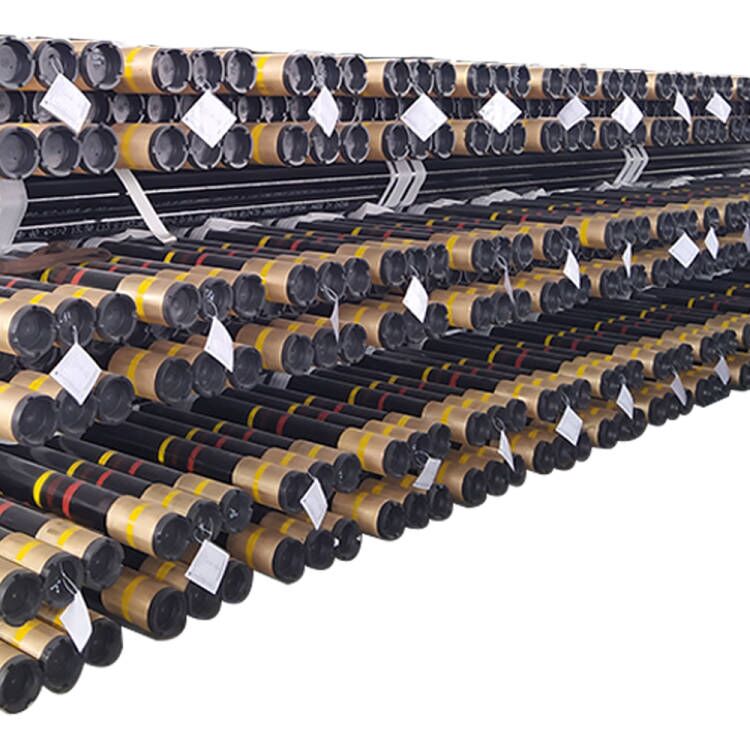
Facteurs influençant les fluctuations des prix des boîtiers en acier au carbone et des oléoducs sans soudure API 5CT N80, L80 et P110
Le prix des boîtiers et des oléoducs en acier au carbone sans soudure API 5CT N80, L80 et P110 est influencé par une multitude de facteurs qui façonnent la dynamique du marché. Comprendre ces facteurs est crucial pour que les parties prenantes de l’industrie pétrolière et gazière puissent prendre des décisions éclairées en matière d’approvisionnement et d’investissement.
Prévision des tendances futures des prix des boîtiers en acier au carbone et des oléoducs sans soudure API 5CT N80, L80 et P110
L’industrie pétrolière et gazière mondiale s’appuie fortement sur les boîtiers en acier au carbone sans soudure et les oléoducs classés selon les spécifications API 5CT, en particulier les nuances N80, L80 et P110. Ces matériaux constituent l’épine dorsale des opérations de forage, garantissant l’intégrité et l’efficacité des puits dans diverses conditions géologiques. En tant que tel, comprendre la dynamique des prix de ces composants essentiels est crucial pour les parties prenantes allant des sociétés d’exploration aux fournisseurs et investisseurs.
Historiquement, les prix des carters et des oléoducs en acier au carbone sans soudure API 5CT N80, L80 et P110 ont été influencés par une interaction complexe de facteurs. La demande du marché, les événements géopolitiques, les progrès technologiques et les coûts de production contribuent tous à la volatilité et à l’orientation de ces prix. Par exemple, les périodes de forte demande de pétrole sont généralement corrélées à une augmentation des activités de forage, augmentant ainsi la demande de tubages et d’oléoducs et entraînant par la suite une hausse des prix.
Ces dernières années, le marché a été témoin de fluctuations de ces prix en raison de plusieurs tendances clés. Une tendance notable concerne les progrès technologiques dans les techniques de forage, telles que le forage horizontal et la fracturation hydraulique (fracking), qui ont accru l’efficacité de l’extraction du pétrole et du gaz des réservoirs non conventionnels. Cela a modifié la dynamique de la demande pour différentes qualités de tubages et de tuyaux, avec une évolution notable vers des matériaux plus résistants comme le P110 pour résister à des environnements d’extraction plus difficiles.
De plus, les facteurs géopolitiques jouent un rôle important dans l’évolution des prix. L’instabilité politique dans les principales régions productrices de pétrole, les changements dans les politiques d’exportation et les accords commerciaux internationaux peuvent tous perturber la chaîne d’approvisionnement mondiale des produits sidérurgiques, y compris les caissons et tuyaux API 5CT. De telles perturbations entraînent souvent des pénuries ou des excédents d’approvisionnement, ce qui a un impact direct sur les prix sur le marché.
À l’avenir, la prévision des tendances futures des prix des boîtiers en acier au carbone sans soudure et des oléoducs API 5CT N80, L80 et P110 nécessite une approche nuancée. Les analystes prennent généralement en compte à la fois les indicateurs macroéconomiques et les facteurs spécifiques au secteur. Les facteurs macroéconomiques comprennent les projections de croissance économique mondiale, les taux d’inflation et les fluctuations monétaires, qui influencent tous la demande énergétique globale et les investissements dans l’exploration pétrolière et gazière.
Les facteurs spécifiques à l’industrie comprennent les innovations technologiques dans les pratiques de forage, les changements réglementaires affectant les normes environnementales et l’évolution des préférences des consommateurs vers des sources d’énergie plus propres. Par exemple, l’augmentation des investissements dans les énergies renouvelables pourrait modérer la croissance à long terme de la demande de combustibles fossiles et, par conséquent, avoir un impact sur la demande de tubages et d’oléoducs.
En outre, les réglementations environnementales visant à réduire les émissions de carbone pourraient faire augmenter les coûts de production du pétrole traditionnel. et les méthodes d’extraction de gaz, influençant potentiellement la dynamique des prix des matériaux API 5CT. Les entreprises peuvent engager des dépenses plus élevées pour se conformer à des normes environnementales plus strictes, ce qui pourrait se traduire par des prix plus élevés pour les tubages et les tuyaux, car ces coûts sont répercutés tout au long de la chaîne d’approvisionnement.
En conclusion, tout en prévoyant avec précision les tendances futures des API 5CT N80, L80 et Les prix des boîtiers en acier au carbone et des oléoducs sans soudure P110 impliquent de naviguer dans un paysage d’incertitudes, certaines tendances et certains facteurs peuvent fournir des informations précieuses. En surveillant les indicateurs économiques mondiaux, les progrès technologiques dans les techniques de forage, les évolutions géopolitiques et les changements réglementaires, les parties prenantes peuvent mieux anticiper et s’adapter aux fluctuations potentielles des prix. En fin de compte, maintenir une approche proactive de l’analyse du marché et rester informé de l’évolution de ces tendances sera essentiel pour naviguer dans la dynamique complexe de l’industrie pétrolière et gazière dans les années à venir.
The pricing of API 5CT N80, L80, and P110 Seamless Steel carbon Casing and Oil Pipes is influenced by a multitude of factors that shape the dynamics of the market. Understanding these factors is crucial for stakeholders in the Oil and Gas industry to make informed decisions regarding procurement and investment.
Firstly, one of the primary determinants of Prices for API 5CT N80, L80, and P110 seamless steel carbon casing and oil Pipes is the global demand-supply balance. The oil and gas industry’s demand for these pipes fluctuates with the overall economic conditions, geopolitical factors, and seasonal variations in drilling activities. During periods of high demand, such as economic expansions or increased oil exploration, prices tend to rise as producers compete for limited supplies. Conversely, during downturns or reduced drilling activities, prices may soften due to excess supply and reduced demand.
Raw Material costs also significantly impact the pricing of these pipes. The production of API 5CT N80, L80, and P110 seamless steel carbon casing and oil pipes involves materials like Carbon steel, which is subject to price fluctuations based on factors such as global steel production, raw material availability, and tariffs or trade policies. Fluctuations in the prices of iron ore, coal, and other essential inputs directly influence the manufacturing costs, which are ultimately passed on to consumers.
Moreover, technological advancements and innovations in pipe manufacturing processes play a crucial role in determining prices. Efficiency improvements, advancements in welding and coating technologies, and the development of new alloys can affect production costs and quality, thereby impacting the pricing strategy of Manufacturers. Investments in research and development aimed at enhancing product performance and durability also contribute to the pricing dynamics of API 5CT N80, L80, and P110 seamless steel carbon casing and oil pipes.
Market competition among manufacturers and Suppliers further influences pricing. The presence of numerous producers, both domestic and international, fosters competitive pricing strategies aimed at capturing market share. Factors such as brand reputation, product differentiation, and customer relationships also play roles in shaping pricing decisions within the industry.
Additionally, regulatory frameworks and standards compliance affect the pricing of API 5CT N80, L80, and P110 seamless steel carbon casing and oil pipes. Compliance with industry standards, including API specifications and certifications, imposes additional costs on manufacturers but ensures product quality and safety. Changes in regulatory requirements or the introduction of new standards can necessitate investments in equipment upgrades or process modifications, thereby influencing overall production costs and pricing.
Furthermore, currency exchange rates and international trade policies impact the pricing of these pipes in the global market. Fluctuations in exchange rates can affect the competitiveness of manufacturers operating in different regions, while trade policies, tariffs, and sanctions can disrupt supply chains and increase procurement costs for consumers.
In conclusion, the pricing of API 5CT N80, L80, and P110 seamless steel carbon casing and oil pipes is shaped by a complex interplay of demand-supply dynamics, raw material costs, technological advancements, market competition, regulatory requirements, and global economic factors. Stakeholders in the oil and gas industry must carefully monitor these factors to navigate the pricing landscape effectively and make informed decisions that optimize procurement strategies and enhance operational efficiency.
Forecasting Future Trends in API 5CT N80, L80, and P110 Seamless Steel Carbon Casing and oil pipe Prices
The global oil and gas industry relies heavily on the seamless steel carbon casing and oil pipes classified under API 5CT specifications, particularly grades N80, L80, and P110. These materials form the backbone of drilling operations, ensuring the integrity and efficiency of wells across various geological conditions. As such, understanding the pricing dynamics of these essential components is crucial for stakeholders ranging from exploration Companies to suppliers and investors.
Historically, the prices of API 5CT N80, L80, and P110 seamless steel carbon casing and oil pipes have been influenced by a complex interplay of factors. Market demand, geopolitical events, technological advancements, and production costs all contribute to the volatility and direction of these prices. For instance, periods of high oil demand typically correlate with increased drilling activities, thereby boosting the demand for casing and oil pipes and subsequently driving prices upwards.
In recent years, the market has witnessed fluctuations in these prices due to several key trends. One notable trend is the technological advancements in drilling techniques, such as horizontal drilling and hydraulic fracturing (fracking), which have increased the efficiency of extracting oil and gas from unconventional reservoirs. This has altered the demand dynamics for different grades of casing and pipes, with a notable shift towards higher strength materials like P110 to withstand more challenging extraction environments.
Moreover, geopolitical factors play a significant role in shaping price trends. Political instability in major oil-producing regions, changes in export policies, and international trade agreements can all disrupt the global supply chain of steel products, including api 5ct casing and pipes. Such disruptions often lead to supply shortages or surpluses, directly impacting prices in the market.
Looking ahead, forecasting the future trends in API 5CT N80, L80, and P110 seamless steel carbon casing and oil pipe prices requires a nuanced approach. Analysts typically consider both macroeconomic indicators and industry-specific factors. Macroeconomic factors include global economic growth projections, inflation rates, and currency fluctuations, all of which influence overall energy demand and investment in oil and gas exploration.
Industry-specific factors include technological innovations in drilling practices, regulatory changes affecting environmental standards, and shifts in consumer preferences towards cleaner energy sources. For instance, increased investment in renewable energy alternatives may moderate the long-term demand growth for fossil fuels and consequently impact the demand for casing and oil pipes.
Furthermore, environmental regulations aimed at reducing carbon emissions could drive up production costs for traditional oil and gas extraction methods, potentially influencing the pricing dynamics of API 5CT materials. Companies may incur higher expenses to comply with stricter environmental standards, which could translate into higher prices for casing and pipes as these costs are passed down the supply chain.
In conclusion, while forecasting precise future trends in API 5CT N80, L80, and P110 seamless steel carbon casing and oil pipe prices entails navigating a landscape of uncertainties, certain trends and factors can provide valuable insights. By monitoring global economic indicators, technological advancements in drilling techniques, geopolitical developments, and regulatory changes, stakeholders can better anticipate and adapt to potential fluctuations in pricing. Ultimately, maintaining a proactive approach to market analysis and staying informed about these evolving trends will be essential for navigating the complex dynamics of the oil and gas industry in the years to come.