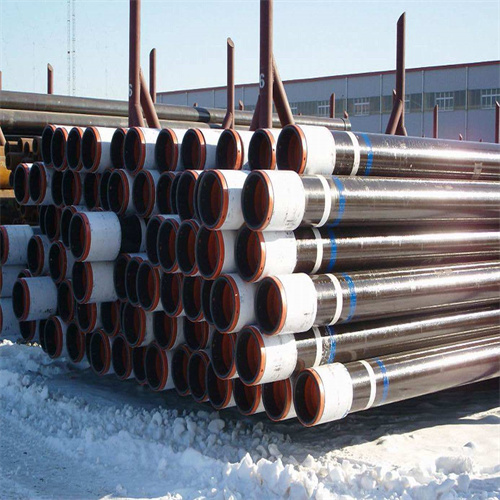
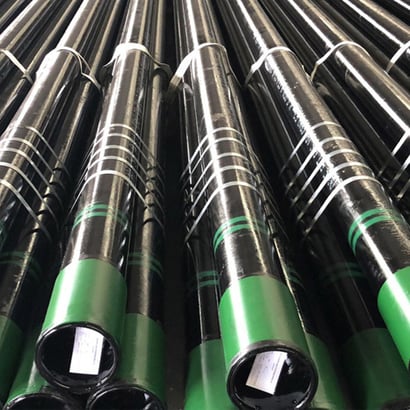
تحليل مقارن لأغلفة الصلب الكربوني غير الملحومة API 5ct N80 وl80 وP110 وأسعار أنابيب النفط
تؤثر تقلبات السوق وديناميكيات سلسلة التوريد والتقدم التكنولوجي أيضًا على اتجاهات التسعير في صناعة النفط والغاز. ومع تغير الطلب وتعديل القدرات الإنتاجية، يمكن أن تشهد أسعار هذه المواد تقلبات. غالبًا ما لا يقوم المشغلون بتقييم التكاليف الأولية فحسب، بل أيضًا التكلفة الإجمالية للملكية، مع الأخذ في الاعتبار عوامل مثل الصيانة وتكرار الاستبدال ووقت التشغيل التشغيلي.
بالنسبة للمشترين والمشغلين المحتملين، إجراء تحليل مقارن لـ N80 وL80 وP110 بسلاسة يعد غلاف الكربون الصلب وأسعار أنابيب النفط أمرًا بالغ الأهمية. يتيح هذا التحليل اتخاذ قرارات مستنيرة بناءً على المتطلبات الخاصة بالمشروع وقيود الميزانية والأهداف التشغيلية. ومن خلال فهم المزايا المميزة وآثار التكلفة لكل درجة، يمكن لأصحاب المصلحة تحسين استثماراتهم في مواد التغليف والأنابيب، مما يضمن أداءً فعالاً وموثوقًا طوال دورة حياة آبارهم.
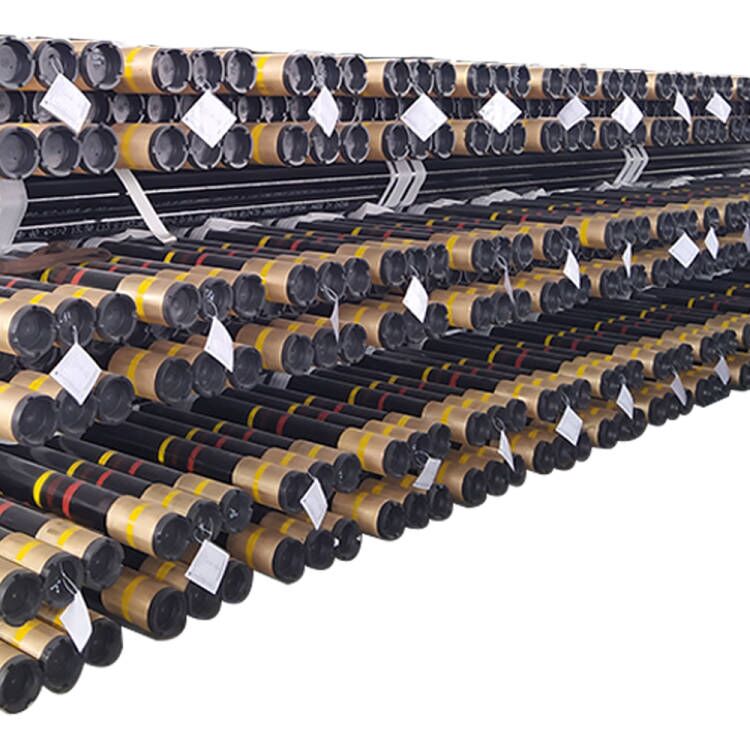
موصل الأنابيب
العوامل المؤثرة على التقلبات في أغلفة الصلب الكربوني غير الملحومة API 5CT N80 وL80 وP110 وأسعار أنابيب النفط
يتأثر تسعير API 5CT N80 وL80 وP110 لأغلفة الكربون الفولاذية غير الملحومة وأنابيب النفط بالعديد من العوامل التي تشكل ديناميكيات السوق. يعد فهم هذه العوامل أمرًا بالغ الأهمية لأصحاب المصلحة في صناعة النفط والغاز لاتخاذ قرارات مستنيرة فيما يتعلق بالمشتريات والاستثمار.
التنبؤ بالاتجاهات المستقبلية في أغلفة الصلب الكربوني غير الملحومة وأسعار أنابيب النفط API 5CT N80 وL80 وP110
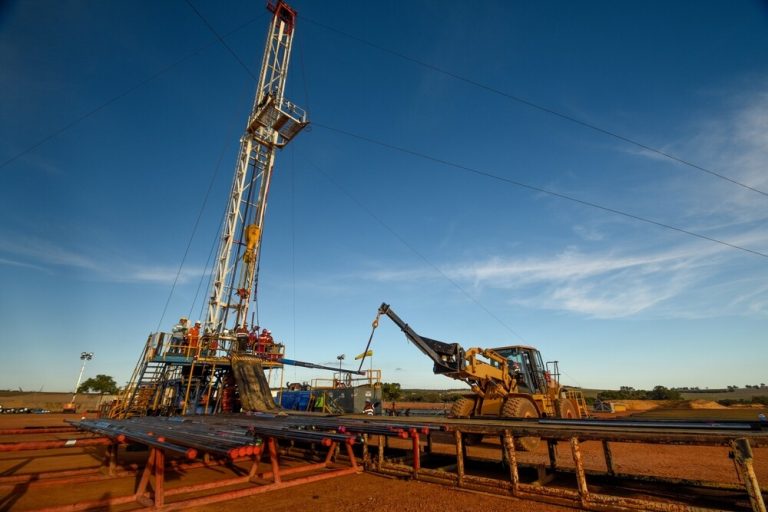
تعتمد صناعة النفط والغاز العالمية بشكل كبير على الغلاف الكربوني الفولاذي غير الملحوم وأنابيب النفط المصنفة بموجب مواصفات API 5CT، وخاصة الدرجات N80 وL80 وP110. وتشكل هذه المواد العمود الفقري لعمليات الحفر، مما يضمن سلامة وكفاءة الآبار عبر مختلف الظروف الجيولوجية. على هذا النحو، يعد فهم ديناميكيات التسعير لهذه المكونات الأساسية أمرًا بالغ الأهمية لأصحاب المصلحة بدءًا من شركات التنقيب إلى الموردين والمستثمرين. التفاعل المعقد بين العوامل. يساهم طلب السوق والأحداث الجيوسياسية والتقدم التكنولوجي وتكاليف الإنتاج في تقلب هذه الأسعار واتجاهها. على سبيل المثال، ترتبط فترات ارتفاع الطلب على النفط عادةً بزيادة أنشطة الحفر، مما يؤدي إلى زيادة الطلب على التغليف وأنابيب النفط وبالتالي ارتفاع الأسعار.
في السنوات الأخيرة، شهد السوق تقلبات في هذه الأسعار بسبب العديد من الاتجاهات الرئيسية. أحد الاتجاهات الملحوظة هو التقدم التكنولوجي في تقنيات الحفر، مثل الحفر الأفقي والتكسير الهيدروليكي، مما أدى إلى زيادة كفاءة استخراج النفط والغاز من الخزانات غير التقليدية. وقد أدى هذا إلى تغيير ديناميكيات الطلب على درجات مختلفة من التغليف والأنابيب، مع تحول ملحوظ نحو مواد ذات قوة أعلى مثل P110 لتحمل بيئات الاستخراج الأكثر تحديًا.
علاوة على ذلك، تلعب العوامل الجيوسياسية دورًا مهمًا في تشكيل اتجاهات الأسعار. يمكن أن يؤدي عدم الاستقرار السياسي في المناطق الرئيسية المنتجة للنفط، والتغيرات في سياسات التصدير، واتفاقيات التجارة الدولية، إلى تعطيل سلسلة التوريد العالمية لمنتجات الصلب، بما في ذلك غلاف وأنابيب API 5CT. غالبًا ما تؤدي مثل هذه الاضطرابات إلى نقص أو فائض في العرض، مما يؤثر بشكل مباشر على الأسعار في السوق. عادة ما يأخذ المحللون بعين الاعتبار مؤشرات الاقتصاد الكلي والعوامل الخاصة بالصناعة. تشمل عوامل الاقتصاد الكلي توقعات النمو الاقتصادي العالمي، ومعدلات التضخم، وتقلبات أسعار العملات، وكلها تؤثر على الطلب الإجمالي على الطاقة والاستثمار في استكشاف النفط والغاز.
تشمل العوامل الخاصة بالصناعة الابتكارات التكنولوجية في ممارسات الحفر، والتغييرات التنظيمية التي تؤثر على المعايير البيئية، التحولات في تفضيلات المستهلكين نحو مصادر الطاقة النظيفة. على سبيل المثال، قد تؤدي زيادة الاستثمار في بدائل الطاقة المتجددة إلى تخفيف نمو الطلب على المدى الطويل على الوقود الأحفوري وبالتالي التأثير على الطلب على التغليف وأنابيب النفط.
علاوة على ذلك، فإن اللوائح البيئية التي تهدف إلى تقليل انبعاثات الكربون يمكن أن تؤدي إلى رفع تكاليف إنتاج النفط التقليدي. وطرق استخراج الغاز، مما قد يؤثر على ديناميكيات تسعير مواد API 5CT. قد تتكبد الشركات نفقات أعلى للامتثال للمعايير البيئية الأكثر صرامة، والتي يمكن أن تترجم إلى أسعار أعلى للغلاف والأنابيب حيث يتم تمرير هذه التكاليف عبر سلسلة التوريد.
في الختام، مع التنبؤ بالاتجاهات المستقبلية الدقيقة في API 5CT N80 وL80 و يستلزم غلاف الكربون الصلب غير الملحوم P110 وأسعار أنابيب النفط التنقل في مشهد من عدم اليقين، ويمكن لبعض الاتجاهات والعوامل أن توفر رؤى قيمة. ومن خلال مراقبة المؤشرات الاقتصادية العالمية، والتقدم التكنولوجي في تقنيات الحفر، والتطورات الجيوسياسية، والتغييرات التنظيمية، يمكن لأصحاب المصلحة توقع التقلبات المحتملة في الأسعار والتكيف معها بشكل أفضل. في نهاية المطاف، سيكون الحفاظ على نهج استباقي لتحليل السوق والبقاء على اطلاع بهذه الاتجاهات المتطورة أمرًا ضروريًا للتعامل مع الديناميكيات المعقدة لصناعة النفط والغاز في السنوات القادمة.
Firstly, one of the primary determinants of Prices for API 5CT N80, L80, and P110 Seamless Steel carbon Casing and Oil Pipes is the global demand-supply balance. The Oil and Gas industry’s demand for these Pipes fluctuates with the overall economic conditions, geopolitical factors, and seasonal variations in drilling activities. During periods of high demand, such as economic expansions or increased oil exploration, prices tend to rise as producers compete for limited supplies. Conversely, during downturns or reduced drilling activities, prices may soften due to excess supply and reduced demand.
Raw Material costs also significantly impact the pricing of these pipes. The production of API 5CT N80, L80, and P110 seamless steel carbon casing and oil pipes involves materials like Carbon steel, which is subject to price fluctuations based on factors such as global steel production, raw material availability, and tariffs or trade policies. Fluctuations in the prices of iron ore, coal, and other essential inputs directly influence the manufacturing costs, which are ultimately passed on to consumers.
Moreover, technological advancements and innovations in pipe manufacturing processes play a crucial role in determining prices. Efficiency improvements, advancements in welding and coating technologies, and the development of new alloys can affect production costs and quality, thereby impacting the pricing strategy of Manufacturers. Investments in research and development aimed at enhancing product performance and durability also contribute to the pricing dynamics of API 5CT N80, L80, and P110 seamless steel carbon casing and oil pipes.
Market competition among manufacturers and Suppliers further influences pricing. The presence of numerous producers, both domestic and international, fosters competitive pricing strategies aimed at capturing market share. Factors such as brand reputation, product differentiation, and customer relationships also play roles in shaping pricing decisions within the industry.
Additionally, regulatory frameworks and standards compliance affect the pricing of API 5CT N80, L80, and P110 seamless steel carbon casing and oil pipes. Compliance with industry standards, including API specifications and certifications, imposes additional costs on manufacturers but ensures product quality and safety. Changes in regulatory requirements or the introduction of new standards can necessitate investments in equipment upgrades or process modifications, thereby influencing overall production costs and pricing.
Furthermore, currency exchange rates and international trade policies impact the pricing of these pipes in the global market. Fluctuations in exchange rates can affect the competitiveness of manufacturers operating in different regions, while trade policies, tariffs, and sanctions can disrupt supply chains and increase procurement costs for consumers.
In conclusion, the pricing of API 5CT N80, L80, and P110 seamless steel carbon casing and oil pipes is shaped by a complex interplay of demand-supply dynamics, raw material costs, technological advancements, market competition, regulatory requirements, and global economic factors. Stakeholders in the oil and gas industry must carefully monitor these factors to navigate the pricing landscape effectively and make informed decisions that optimize procurement strategies and enhance operational efficiency.
Forecasting Future Trends in API 5CT N80, L80, and P110 Seamless Steel Carbon Casing and oil pipe Prices
The global oil and gas industry relies heavily on the seamless steel carbon casing and oil pipes classified under API 5CT specifications, particularly grades N80, L80, and P110. These materials form the backbone of drilling operations, ensuring the integrity and efficiency of wells across various geological conditions. As such, understanding the pricing dynamics of these essential components is crucial for stakeholders ranging from exploration Companies to suppliers and investors.
Historically, the prices of API 5CT N80, L80, and P110 seamless steel carbon casing and oil pipes have been influenced by a complex interplay of factors. Market demand, geopolitical events, technological advancements, and production costs all contribute to the volatility and direction of these prices. For instance, periods of high oil demand typically correlate with increased drilling activities, thereby boosting the demand for casing and oil pipes and subsequently driving prices upwards.
In recent years, the market has witnessed fluctuations in these prices due to several key trends. One notable trend is the technological advancements in drilling techniques, such as horizontal drilling and hydraulic fracturing (fracking), which have increased the efficiency of extracting oil and gas from unconventional reservoirs. This has altered the demand dynamics for different grades of casing and pipes, with a notable shift towards higher strength materials like P110 to withstand more challenging extraction environments.
Moreover, geopolitical factors play a significant role in shaping price trends. Political instability in major oil-producing regions, changes in export policies, and international trade agreements can all disrupt the global supply chain of steel products, including api 5ct casing and pipes. Such disruptions often lead to supply shortages or surpluses, directly impacting prices in the market.
Looking ahead, forecasting the future trends in API 5CT N80, L80, and P110 seamless steel carbon casing and oil pipe prices requires a nuanced approach. Analysts typically consider both macroeconomic indicators and industry-specific factors. Macroeconomic factors include global economic growth projections, inflation rates, and currency fluctuations, all of which influence overall energy demand and investment in oil and gas exploration.
Industry-specific factors include technological innovations in drilling practices, regulatory changes affecting environmental standards, and shifts in consumer preferences towards cleaner energy sources. For instance, increased investment in renewable energy alternatives may moderate the long-term demand growth for fossil fuels and consequently impact the demand for casing and oil pipes.
Furthermore, environmental regulations aimed at reducing carbon emissions could drive up production costs for traditional oil and gas extraction methods, potentially influencing the pricing dynamics of API 5CT materials. Companies may incur higher expenses to comply with stricter environmental standards, which could translate into higher prices for casing and pipes as these costs are passed down the supply chain.
In conclusion, while forecasting precise future trends in API 5CT N80, L80, and P110 seamless steel carbon casing and oil pipe prices entails navigating a landscape of uncertainties, certain trends and factors can provide valuable insights. By monitoring global economic indicators, technological advancements in drilling techniques, geopolitical developments, and regulatory changes, stakeholders can better anticipate and adapt to potential fluctuations in pricing. Ultimately, maintaining a proactive approach to market analysis and staying informed about these evolving trends will be essential for navigating the complex dynamics of the oil and gas industry in the years to come.