Explorer les profondeurs : les richesses cachées du forage en haute mer
DévOilement de matériaux ultra-résistants : révolutionner la technologie des boîtiers d’huile

Implications environnementales de l’exploitation minière en haute mer : équilibrer l’extraction et la conservation des ressources
Le forage en haute mer a dévoilé un magnifique trésor avec la découverte de matériaux de tubage pétrolier ultra résistants à la corrosion. Cette avancée technologique promet de révolutionner l’industrie pétrolière et gazière en améliorant la durabilité des opérations de forage en haute mer. Cependant, comme tout progrès technologique, il entraîne des implications environnementales importantes qui nécessitent une attention particulière. Les méthodes de forage traditionnelles ont été confrontées à des défis dans ces environnements extrêmes en raison de la nature corrosive de l’eau de mer et des pressions et températures élevées rencontrées en profondeur. Les matériaux de carter d’huile conventionnels ont souvent du mal à maintenir leur intégrité dans ces conditions, ce qui entraîne de fréquents problèmes de Maintenance et des risques environnementaux.
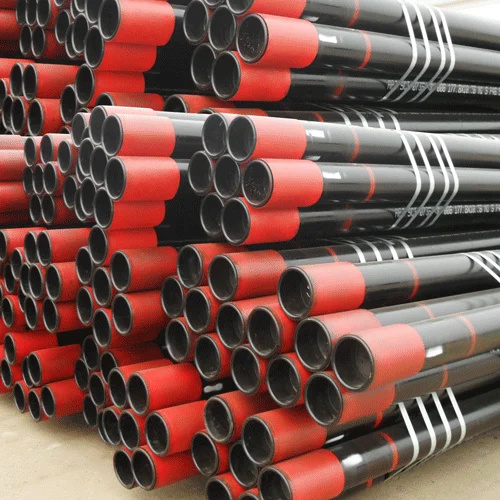
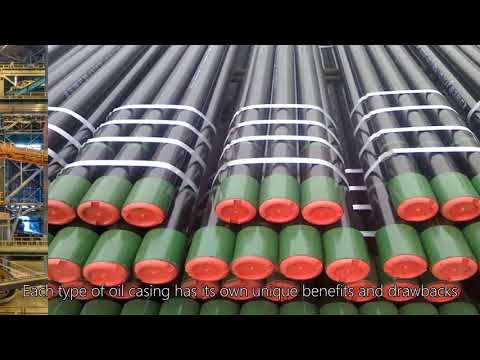
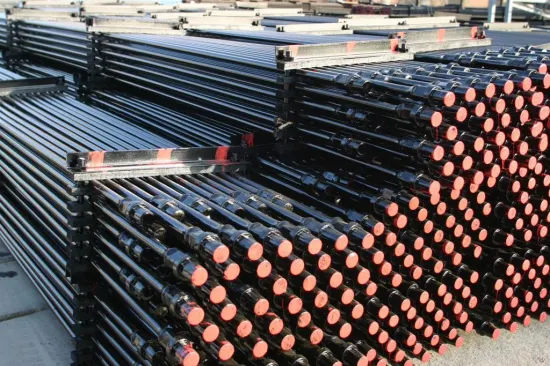
L’introduction de matériaux de carter d’huile ultra résistants à la corrosion représente une avancée cruciale pour relever ces défis. Ces matériaux sont spécialement conçus pour résister aux conditions difficiles du forage en haute mer, offrant ainsi une durabilité et une fiabilité accrues. En réduisant le besoin d’entretien et de réparations fréquents, ils ont le potentiel de minimiser les temps d’arrêt opérationnels et de réduire l’empreinte environnementale globale des activités de forage offshore.
D’un point de vue environnemental, l’adoption de matériaux aussi avancés peut apporter à la fois des avantages et des préoccupations. D’une part, la durabilité et la fiabilité accrues de ces matériaux pourraient entraîner une diminution des fuites et des déversements, réduisant ainsi le risque de contamination environnementale. Ceci est particulièrement crucial dans les écosystèmes marins sensibles où même des déversements à petite échelle peuvent avoir des impacts profonds et durables sur la biodiversité et les communautés côtières.
De plus, les gains d’efficacité associés à l’utilisation de matériaux ultra-résistants à la corrosion peuvent contribuer à la consommation énergétique globale. conservation et efficacité des ressources. En améliorant la durée de vie et les performances des composants du carter d’huile, moins de matériaux sont nécessaires au fil du temps, ce qui entraîne une réduction de l’extraction des ressources et de la production de déchets. Cela s’inscrit dans le cadre d’objectifs de développement durable plus larges visant à minimiser l’empreinte environnementale des activités industrielles.
Cependant, l’adoption généralisée des technologies de forage en haute mer, facilitée par ces matériaux avancés, soulève également des inquiétudes quant à leurs impacts potentiels à long terme sur les écosystèmes marins. L’extraction de pétrole et de gaz des réserves des grands fonds implique la perturbation d’habitats et d’écosystèmes sous-marins délicats qui sont souvent mal compris. L’utilisation de fluides de forage, la génération de déchets et la perturbation des sédiments des fonds marins peuvent tous contribuer à la dégradation de l’habitat et à la perturbation des écosystèmes.
En outre, les impacts cumulatifs du forage en haute mer sur la santé mondiale des océans et le changement climatique doivent être soigneusement étudiés. évalué. Si les progrès technologiques en matière de forage peuvent accroître l’accès à de nouvelles ressources énergétiques, ils perpétuent également la dépendance de la société aux combustibles fossiles, retardant potentiellement la transition vers des alternatives énergétiques plus propres et plus durables.
Équilibrer les avantages et les risques du forage en haute mer nécessite une approche globale et approche scientifique de la gestion et de la réglementation de l’environnement. Des programmes de surveillance robustes, des normes opérationnelles strictes et des mécanismes de reporting transparents sont essentiels pour attéNuer les impacts environnementaux potentiels et garantir la responsabilité au sein de l’industrie.
En fin de compte, la découverte de matériaux de tubage pétrolier ultrarésistants et résistants à la corrosion représente une étape importante dans l’évolution de la technologie de forage en haute mer. Tout en offrant des avancées prometteuses en matière d’efficacité opérationnelle et de gestion de l’environnement, leur déploiement doit s’accompagner de mesures de protection environnementales rigoureuses afin de préserver la santé et l’intégrité de nos océans pour les générations futures. À mesure que l’industrie progresse, il est impératif de trouver un équilibre délicat entre l’extraction des ressources et la conservation, en veillant à ce que les progrès technologiques s’alignent sur les pratiques environnementales durables.
Deep-sea drilling operations have long been the frontier of technological innovation in the Oil and Gas industry. As demands for energy escalate and terrestrial reserves dwindle, the exploration of deep-sea reserves becomes increasingly crucial. However, the harsh conditions found thousands of feet below the ocean’s surface present formidable challenges, particularly concerning the durability and reliability of drilling equipment.
One of the most critical components in deep-sea drilling is the Oil Casing, which protects the wellbore and ensures structural integrity under extreme pressures and corrosive environments. Traditionally, Steel alloys have been the Material of choice due to their strength and durability. Yet, the relentless forces exerted by seawater and hydrocarbons can lead to corrosion and structural degradation over time, compromising safety and operational efficiency.
In recent years, a breakthrough has emerged in the form of ultra-strong, corrosion-resistant materials specifically designed for oil casing applications. These advanced materials promise to revolutionize deep-sea drilling by offering unprecedented durability and longevity in challenging marine environments. One such material gaining traction is a composite blend of carbon fiber and epoxy resin, meticulously engineered to withstand the corrosive effects of seawater while maintaining exceptional mechanical strength.
The development of these materials represents a convergence of scientific innovation and industrial necessity. Engineers and materials scientists have collaborated to enhance the performance characteristics of oil casing, pushing the boundaries of what was previously thought possible. Through rigorous testing and refinement, these composite materials have demonstrated superior resistance to corrosion, fatigue, and mechanical stress, making them ideally suited for prolonged deployment in deep-sea wells.
The advantages of ultra-strong, corrosion-resistant oil casing extend beyond operational durability. By minimizing the risk of structural failure and maintenance downtime, these materials contribute to enhanced safety standards and operational efficiency. Furthermore, their lightWeight nature reduces logistical complexities associated with deep-sea installations, offering a practical solution to the challenges of offshore drilling.
From a technological standpoint, the integration of advanced materials into oil casing design represents a paradigm shift in offshore engineering. By harnessing the unique properties of carbon composites, Manufacturers can tailor casing solutions to meet specific operational requirements, ensuring compatibility with a range of drilling techniques and environmental conditions. This versatility underscores the adaptability of modern materials science in addressing complex industrial challenges.
As global energy demand continues to rise, the importance of sustainable and efficient resource extraction practices cannot be overstated. The deployment of ultra-strong, corrosion-resistant oil casing not only enhances the resilience of deep-sea drilling operations but also supports environmental stewardship by minimizing the ecological footprint associated with offshore exploration.
Looking ahead, ongoing research and development efforts are poised to further refine these advanced materials, unlocking new possibilities for the future of deep-sea drilling technology. Collaborations between academia, industry, and regulatory bodies will be crucial in navigating the complexities of material certification and adoption, ensuring that innovations translate seamlessly from laboratory prototypes to commercial applications.
In conclusion, the advent of ultra-strong, corrosion-resistant materials represents a transformative milestone in the evolution of oil casing technology. By mitigating risks, improving operational efficiency, and expanding the frontier of deep-sea exploration, these materials are poised to shape the future of offshore energy production. As industries embrace these innovations, they not only bolster their capabilities but also reaffirm their commitment to sustainable development and responsible resource management in an increasingly interconnected global landscape.
Environmental Implications of Deep-Sea Mining: Balancing Resource Extraction and Conservation
Deep-sea drilling has unveiled a magnificent treasure with the discovery of ultra-strong corrosion-resistant Oil casing materials. This technological breakthrough promises to revolutionize the oil and gas industry by enhancing the durability and sustainability of deep-sea drilling operations. However, as with any technological advancement, it raises significant environmental implications that demand careful consideration.
The allure of deep-sea drilling lies in its potential to access previously untapped oil reserves buried beneath the ocean floor. Traditional drilling methods have faced challenges in these extreme environments due to the corrosive nature of seawater and the high pressures and temperatures encountered at depth. Conventional oil casing materials often struggle to maintain integrity under these conditions, leading to frequent maintenance issues and environmental risks.
The introduction of ultra-strong corrosion-resistant oil casing materials represents a pivotal advancement in addressing these challenges. These materials are specifically designed to withstand the harsh conditions of deep-sea drilling, offering increased durability and reliability. By reducing the need for frequent maintenance and Repairs, they have the potential to minimize operational downtime and lower the overall environmental footprint of offshore drilling activities.
From an environmental perspective, the adoption of such advanced materials can bring both benefits and concerns. On one hand, the increased durability and reliability of these materials could lead to fewer leaks and spills, thereby reducing the risk of environmental contamination. This is particularly crucial in sensitive marine ecosystems where even small-scale spills can have profound and long-lasting impacts on biodiversity and coastal communities.
Moreover, the efficiency gains associated with using ultra-strong corrosion-resistant materials may contribute to overall energy conservation and resource efficiency. By improving the lifespan and performance of oil casing components, less material is required over time, leading to reduced resource extraction and waste generation. This aligns with broader sustainability goals aimed at minimizing the environmental footprint of industrial activities.
However, the widespread adoption of deep-sea drilling technologies, facilitated by these advanced materials, also raises concerns about their potential long-term impacts on marine ecosystems. The extraction of oil and gas from deep-sea reserves involves disturbing delicate underwater habitats and ecosystems that are often poorly understood. The use of drilling fluids, the generation of waste materials, and the disturbance of seafloor sediments can all contribute to habitat degradation and ecosystem disruption.
Furthermore, the cumulative impacts of deep-sea drilling on global ocean health and climate change must be carefully evaluated. While advancements in drilling technology may increase access to new energy resources, they also perpetuate society’s reliance on fossil fuels, potentially delaying the transition to cleaner and more sustainable energy alternatives.
Balancing the benefits and risks of deep-sea drilling requires a comprehensive and science-based approach to environmental management and regulation. Robust monitoring programs, stringent operational standards, and transparent reporting mechanisms are essential to mitigate potential environmental impacts and ensure accountability within the industry.
Ultimately, the discovery of ultra-strong corrosion-resistant oil casing materials represents a significant milestone in the evolution of deep-sea drilling technology. While offering promising advancements in operational efficiency and environmental stewardship, their deployment must be accompanied by rigorous environmental safeguards to safeguard the health and integrity of our oceans for future generations. As the industry moves forward, it is imperative to strike a delicate balance between resource extraction and conservation, ensuring that technological progress aligns with sustainable environmental practices.