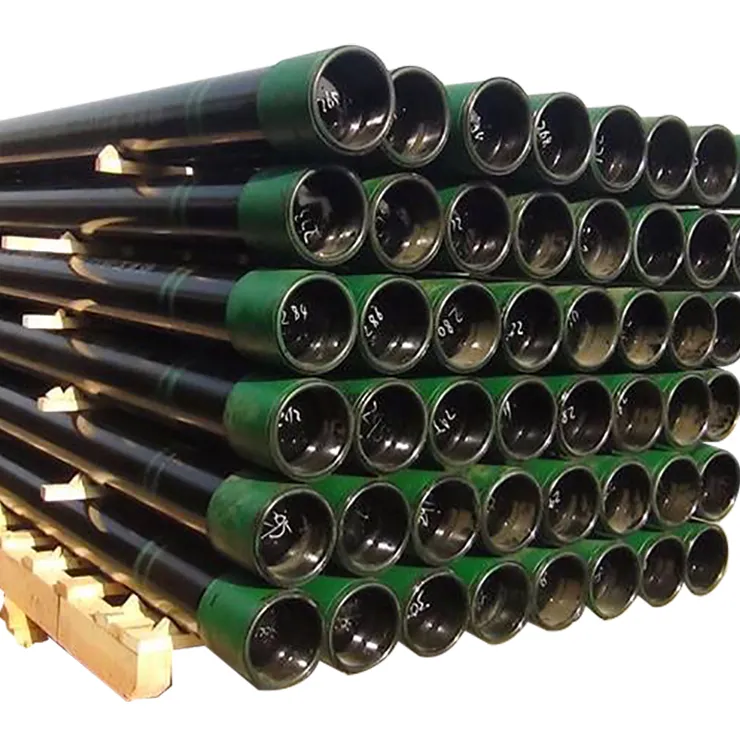
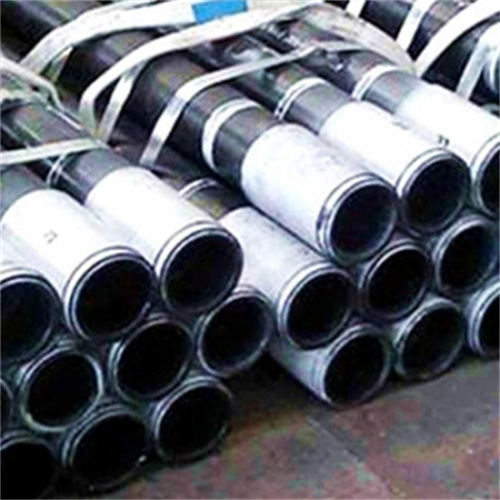
Avantages de l’utilisation du tubage pétrolier dans l’industrie pétrolière
Importance d’une sélection et d’une installation appropriées du carter d’huile
Le tubage pétrolier joue un rôle crucial dans l’extraction et la production de pétrole et de gaz. La sélection et l’installation appropriées du tubage pétrolier sont essentielles au succès et à l’efficacité des opérations de forage. Comprendre les domaines d’application du tubage pétrolier est fondamental pour garantir l’intégrité et la sécurité des puits de pétrole.
Une autre application importante du tubage pétrolier consiste à isoler différentes formations géologiques. Les puits de pétrole traversent souvent plusieurs couches de formations rocheuses, chacune ayant ses propres caractéristiques. Le tubage permet d’isoler ces formations, empêchant le mélange des fluides et assurant l’intégrité du puits. Une mauvaise sélection de tubage peut entraîner une contamination du réservoir et réduire la productivité globale du puits.
De plus, le tubage pétrolier joue un rôle essentiel dans la protection de l’environnement. Une installation correcte du tubage aide à prévenir les fuites de pétrole et de gaz dans le sol et les sources d’eau environnantes. En créant une barrière entre le puits de forage et l’environnement, le tubage contribue à attéNuer le risque de pollution environnementale et garantit le respect des normes réglementaires.
La sélection du bon matériau de tubage est essentielle pour garantir la longévité et l’efficacité du puits de pétrole. Différents environnements et conditions de fonctionnement nécessitent des types spécifiques de matériaux de boîtier pour résister à la corrosion, aux variations de pression et de température. En choisissant le matériau de tubage approprié, les opérateurs peuvent prolonger la durée de vie du puits et optimiser l’efficacité de la production.
En conclusion, les domaines d’application du tubage pétrolier sont divers et essentiels au bon fonctionnement des puits de pétrole et de gaz. Une sélection et une installation appropriées du tubage pétrolier sont primordiales pour garantir l’intégrité, la sécurité et l’efficacité des opérations de forage. En comprenant l’importance du tubage pétrolier et de ses applications, les opérateurs peuvent maximiser la productivité des puits de pétrole tout en minimisant les risques et l’impact environnemental.
One of the primary applications of Oil Casing is to prevent the collapse of the wellbore. During drilling, the surrounding rock formations exert pressure on the wellbore walls. Without proper casing, the wellbore can collapse, leading to costly damages and potential environmental hazards. Oil casing provides structural support to the wellbore, ensuring its stability and integrity.
In addition to preventing collapse, oil casing also serves as a conduit for the extraction of Oil and Gas. The casing is designed to withstand high pressures and temperatures, allowing for the efficient flow of hydrocarbons from the reservoir to the surface. Proper casing selection is crucial in ensuring the Smooth and uninterrupted production of oil and gas.
 Another important application of oil casing is to isolate different geological formations. Oil Wells often pass through multiple layers of rock formations, each with its own unique characteristics. Casing helps isolate these formations, preventing the mixing of fluids and ensuring the integrity of the well. Improper casing selection can lead to contamination of the reservoir and reduce the overall productivity of the well.
Furthermore, oil casing plays a vital role in protecting the environment. Proper casing installation helps prevent the Leakage of oil and gas into the surrounding soil and water sources. By creating a barrier between the wellbore and the environment, casing helps mitigate the risk of environmental pollution and ensures compliance with regulatory standards.
The selection of the right casing Material is critical in ensuring the longevity and effectiveness of the oil well. Different environments and operating conditions require specific types of casing materials to withstand corrosion, pressure, and temperature variations. By choosing the appropriate casing material, operators can prolong the life of the well and optimize production efficiency.
In conclusion, the fields of application for oil casing are diverse and essential for the successful operation of oil and gas wells. Proper selection and installation of oil casing are paramount in ensuring the integrity, safety, and efficiency of drilling operations. By understanding the importance of oil casing and its applications, operators can maximize the productivity of oil wells while minimizing risks and environmental impact.