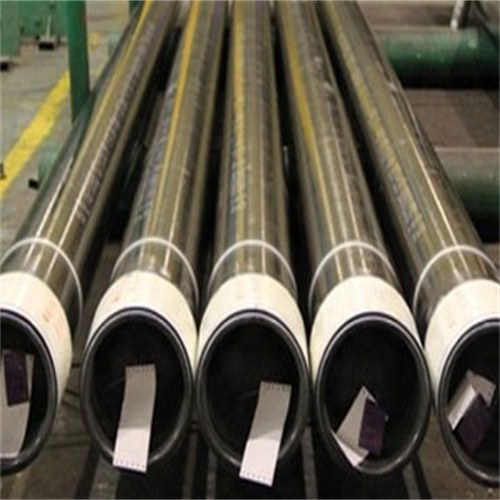
Technologies émergentes ayant un impact sur les marchés de l’industrie du tubage pétrolier
Analyse de données pour les tendances du marché dans l’industrie du tubage pétrolier
TUYAUX DE BOÎTIER DE PÉTROLE Meilleurs grossistes chinois
Pratiques de développement durable dans les marchés cibles de l’industrie du carter de pétrole
En outre, le transport et la logistique impliqués dans la fourniture de boyaux pétroliers aux marchés cibles sont des considérations essentielles pour la durabilité. Les entreprises se concentrent de plus en plus sur l’optimisation des chaînes d’approvisionnement, la réduction des émissions grâce à des itinéraires de transport efficaces et l’exploration de carburants alternatifs pour alimenter les opérations logistiques. L’adoption de technologies numériques telles que les capteurs IoT et la blockchain pour la gestion de la chaîne d’approvisionnement peut améliorer la transparence et la traçabilité, soutenant ainsi davantage les objectifs de développement durable.
Lorsqu’il s’agit du déploiement et de l’utilisation de carters pétroliers sur les marchés cibles, la Maintenance et la longévité sont des facteurs clés de durabilité. La mise en œuvre de stratégies de maintenance prédictive utilisant l’analyse des données et l’apprentissage automatique peut contribuer à prolonger la durée de vie des boîtiers, en réduisant le besoin de remplacements fréquents et en minimisant les déchets. De plus, la conception de boîtiers destinés à être réutilisés ou recyclés à la fin de leur cycle de vie peut renforcer encore les efforts de développement durable.
En conclusion, les pratiques de développement durable sur les marchés cibles de l’industrie du boîtierage pétrolier sont essentielles pour attéNuer l’impact environnemental et garantir la viabilité à long terme. En analysant l’environnement technique, y compris les matériaux, les processus de fabrication, le transport et les stratégies de maintenance, les entreprises peuvent identifier les opportunités d’améliorer la durabilité tout au long du cycle de vie des carters pétroliers. Adopter l’innovation et la collaboration au sein de l’industrie sera crucial pour conduire vers un avenir plus durable pour la production et l’utilisation des carters pétroliers.
One of the primary benefits of leveraging data analytics in the Oil Casing industry is the ability to track and analyze market trends in real-time. By collecting and analyzing data from various sources such as drilling operations, well performance, and market demand, Companies can gain a comprehensive understanding of the market landscape. This real-time insight allows businesses to adapt quickly to changing market conditions, optimize their operations, and c APItalize on emerging opportunities.
Moreover, data analytics enables companies to identify patterns and correlations in market data that may not be immediately apparent. By applying advanced analytical techniques such as machine learning and predictive modeling, businesses can uncover hidden insights that can drive strategic decision-making. For example, predictive analytics can help companies forecast future market trends, anticipate demand fluctuations, and optimize resource allocation.
In addition to tracking market trends, data analytics can also provide valuable insights into customer behavior and preferences. By analyzing customer data and feedback, companies can tailor their products and services to meet the specific needs of their target markets. This customer-centric approach not only enhances customer satisfaction but also helps companies build long-term relationships with their clients.
Furthermore, data analytics can play a crucial role in risk management within the oil casing industry. By analyzing historical data on well failures, equipment malfunctions, and other risk factors, companies can identify potential risks proactively and implement preventive measures to mitigate them. This proactive approach not only helps companies avoid costly downtime and Repairs but also enhances overall operational efficiency and safety.
Overall, data analytics has become an indispensable tool for companies operating in the oil casing industry. By leveraging data-driven insights, businesses can gain a competitive edge, optimize their operations, and make strategic decisions with confidence. As the industry continues to evolve, companies that embrace data analytics will be well-positioned to navigate market uncertainties, capitalize on emerging opportunities, and drive sustainable growth in the long run.
Sustainability Practices in Oil Casing Industry Target Markets
The oil casing industry plays a crucial role in the global energy sector, providing essential infrastructure for oil extraction and production. As the industry evolves, sustainability practices have become increasingly important in oil casing manufacturing and usage. Analyzing the technical environment of oil casing industry target markets is essential to understand the current landscape and identify opportunities for sustainable practices.
One key aspect of sustainability in the oil casing industry is the Materials used in casing production. Traditional materials like Carbon Steel have been widely used but come with environmental challenges due to their high carbon footprint. Companies are now exploring alternative materials such as corrosion-resistant alloys and composite materials to reduce environmental impact while maintaining performance standards.
In addition to materials, the manufacturing processes used in oil casing production also play a significant role in sustainability. Advanced manufacturing techniques like additive manufacturing (3D printing) are being adopted to optimize material usage and reduce waste. These technologies not only improve efficiency but also enable customization and rapid prototyping, leading to more sustainable production practices.
 Furthermore, the transportation and logistics involved in supplying oil casings to target markets are critical considerations for sustainability. Companies are increasingly focusing on optimizing supply chains, reducing emissions through efficient transportation routes, and exploring alternative fuels to power logistics operations. Embracing digital technologies like IoT sensors and blockchain for supply chain management can enhance transparency and traceability, further supporting sustainability goals.
When it comes to the deployment and usage of oil casings in target markets, maintenance and longevity are key factors for sustainability. Implementing predictive maintenance strategies using data analytics and machine learning can help prolong the lifespan of casings, reducing the need for frequent replacements and minimizing waste. Additionally, designing casings for reusability or recycling at the end of their lifecycle can further enhance sustainability efforts.
In conclusion, sustainability practices in the oil casing industry target markets are essential for mitigating environmental impact and ensuring long-term viability. By analyzing the technical environment, including materials, manufacturing processes, transportation, and maintenance strategies, companies can identify opportunities to enhance sustainability throughout the oil casing lifecycle. Embracing innovation and collaboration across the industry will be crucial in driving towards a more sustainable future for oil casing production and usage.
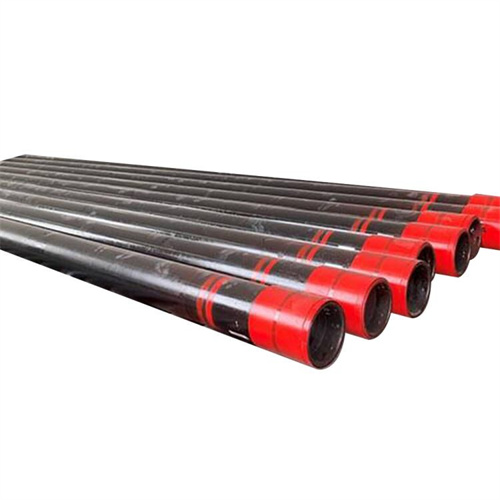
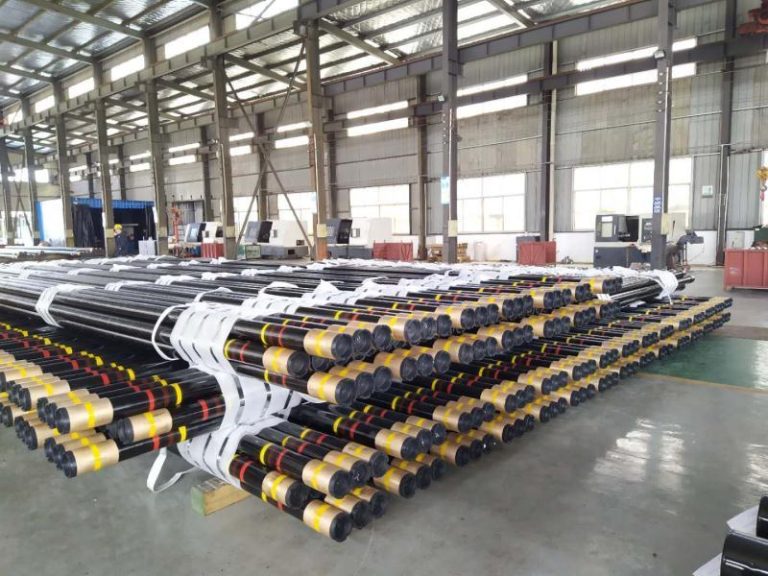

![[oil tube] [Wholesale-Price] [High-Quality] high-quality China](https://www.casingtube.com/wp-content/uploads/2022/03/API-5CT-Q125-Oil-Casing-Pipe-Btc-Ltc-Nue-Eue.jpg)