Emerging Technologies Impacting Oil Casing Industry Markets
Emerging technologies are revolutionizing the oil casing industry, impacting target markets in profound ways. One such technology making waves is the Internet of Things (IoT). IoT devices are being integrated into oil casing operations, enabling real-time monitoring and data collection. This connectivity enhances efficiency and safety while reducing operational costs. As IoT adoption grows, Companies can optimize their processes and make data-driven decisions to stay competitive in the market.
Another significant technological advancement is the use of drones in the oil casing industry. Drones equipped with high-resolution cameras and sensors can inspect Pipelines and infrastructure with precision. This not only improves Maintenance practices but also enhances safety by reducing the need for manual inspections in hazardous environments. By leveraging drone technology, companies can detect issues early, prevent downtime, and ensure regulatory compliance.
Artificial Intelligence (AI) is also playing a pivotal role in transforming oil casing industry markets. AI algorithms analyze vast amounts of data to predict equipment failures, optimize production processes, and identify potential risks. By harnessing AI capabilities, companies can streamline operations, increase productivity, and minimize downtime. AI-driven insights empower decision-Makers to proactively address challenges and seize opportunities in a dynamic market landscape.
Blockchain technology is another disruptive force in the oil casing industry. By providing secure and transparent transactions, blockchain enhances supply chain management and ensures the authenticity of data. Smart contracts executed on blockchain platforms automate processes, reduce paperwork, and mitigate fraud risks. This technology fosters trust among stakeholders and facilitates seamless transactions across the industry ecosystem.
Augmented Reality (AR) is resh APIng how oil casing industry professionals visualize and interact with data. AR applications overlay digital information onto the physical environment, enabling technicians to access real-time data and instructions hands-free. This immersive technology improves training programs, enhances maintenance procedures, and accelerates decision-making processes. By embracing AR solutions, companies can boost operational efficiency and empower their workforce with cutting-edge tools.
In conclusion, the integration of emerging technologies is revolutionizing oil casing industry target markets. IoT, drones, AI, blockchain, and AR are driving innovation, enhancing operational capabilities, and reshaping industry standards. Companies that embrace these technologies gain a competitive edge by improving efficiency, reducing costs, and ensuring compliance with regulatory requirements. As the industry contiNues to evolve, staying abreast of technological advancements is crucial for success in the dynamic landscape of oil casing markets.
Data Analytics for Market Trends in Oil Casing Industry
The oil casing industry plays a crucial role in the global energy sector, providing essential infrastructure for oil extraction and production. In today’s dynamic market, understanding and analyzing the technical environment of oil casing industry target markets is essential for companies to make informed decisions and stay competitive. Data analytics has emerged as a powerful tool in this context, enabling businesses to extract valuable insights from vast amounts of data and identify key market trends.
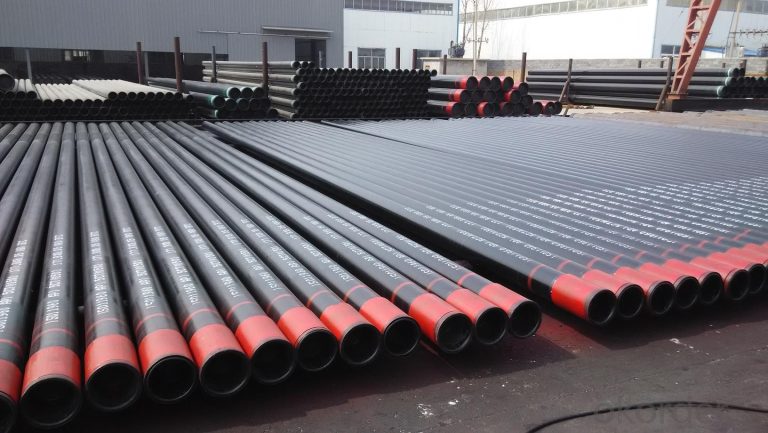
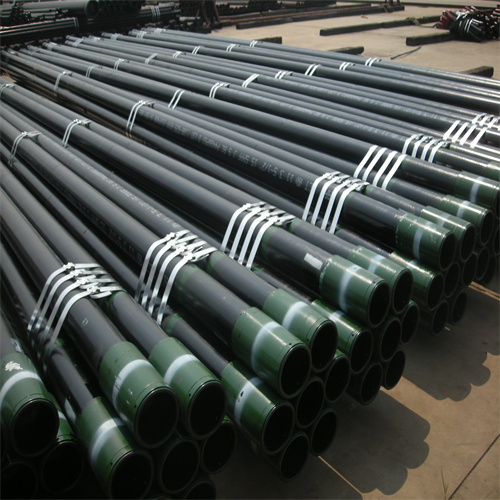
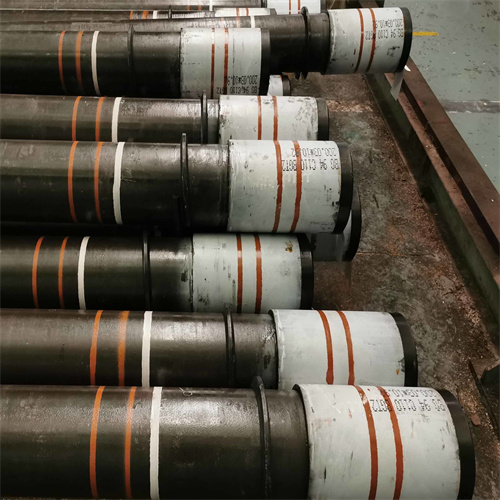
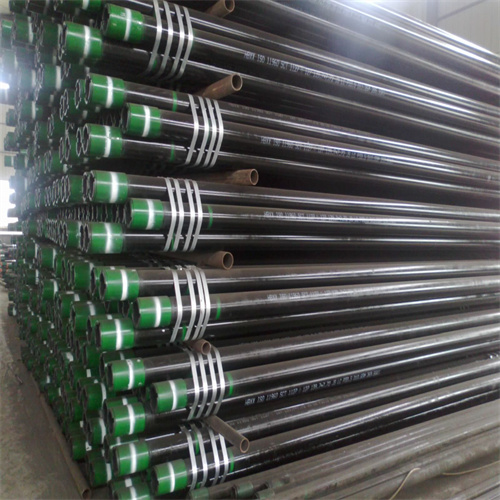
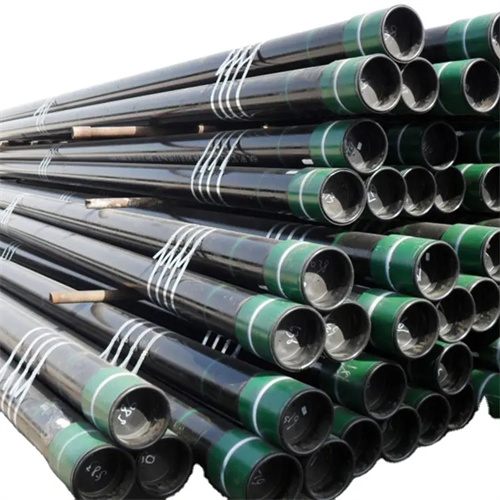
PETROLEUM Casing Pipe Best chinese wholesalers
One of the primary benefits of leveraging data analytics in the oil casing industry is the ability to track and analyze market trends in real-time. By collecting and analyzing data from various sources such as drilling operations, well performance, and market demand, companies can gain a comprehensive understanding of the market landscape. This real-time insight allows businesses to adapt quickly to changing market conditions, optimize their operations, and capitalize on emerging opportunities.
Moreover, data analytics enables companies to identify patterns and correlations in market data that may not be immediately apparent. By applying advanced analytical techniques such as machine learning and predictive modeling, businesses can uncover hidden insights that can drive strategic decision-making. For example, predictive analytics can help companies forecast future market trends, anticipate demand fluctuations, and optimize resource allocation.
In addition to tracking market trends, data analytics can also provide valuable insights into customer behavior and preferences. By analyzing customer data and feedback, companies can tailor their products and services to meet the specific needs of their target markets. This customer-centric approach not only enhances customer satisfaction but also helps companies build long-term relationships with their clients.
Furthermore, data analytics can play a crucial role in risk management within the oil casing industry. By analyzing historical data on well failures, equipment malfunctions, and other risk factors, companies can identify potential risks proactively and implement preventive measures to mitigate them. This proactive approach not only helps companies avoid costly downtime and Repairs but also enhances overall operational efficiency and safety.
Overall, data analytics has become an indispensable tool for companies operating in the oil casing industry. By leveraging data-driven insights, businesses can gain a competitive edge, optimize their operations, and make strategic decisions with confidence. As the industry continues to evolve, companies that embrace data analytics will be well-positioned to navigate market uncertainties, capitalize on emerging opportunities, and drive sustainable growth in the long run.
Sustainability Practices in Oil Casing Industry Target Markets
The oil casing industry plays a crucial role in the global energy sector, providing essential infrastructure for oil extraction and production. As the industry evolves, sustainability practices have become increasingly important in oil casing manufacturing and usage. Analyzing the technical environment of oil casing industry target markets is essential to understand the current landscape and identify opportunities for sustainable practices.
One key aspect of sustainability in the oil casing industry is the Materials used in casing production. Traditional materials like Carbon Steel have been widely used but come with environmental challenges due to their high carbon footprint. Companies are now exploring alternative materials such as corrosion-resistant alloys and composite materials to reduce environmental impact while maintaining performance standards.
In addition to materials, the manufacturing processes used in oil casing production also play a significant role in sustainability. Advanced manufacturing techniques like additive manufacturing (3D printing) are being adopted to optimize material usage and reduce waste. These technologies not only improve efficiency but also enable customization and rapid prototyping, leading to more sustainable production practices.
 Furthermore, the transportation and logistics involved in supplying oil casings to target markets are critical considerations for sustainability. Companies are increasingly focusing on optimizing supply chains, reducing emissions through efficient transportation routes, and exploring alternative fuels to power logistics operations. Embracing digital technologies like IoT sensors and blockchain for supply chain management can enhance transparency and traceability, further supporting sustainability goals.
When it comes to the deployment and usage of oil casings in target markets, maintenance and longevity are key factors for sustainability. Implementing predictive maintenance strategies using data analytics and machine learning can help prolong the lifespan of casings, reducing the need for frequent replacements and minimizing waste. Additionally, designing casings for reusability or recycling at the end of their lifecycle can further enhance sustainability efforts.
In conclusion, sustainability practices in the oil casing industry target markets are essential for mitigating environmental impact and ensuring long-term viability. By analyzing the technical environment, including materials, manufacturing processes, transportation, and maintenance strategies, companies can identify opportunities to enhance sustainability throughout the oil casing lifecycle. Embracing innovation and collaboration across the industry will be crucial in driving towards a more sustainable future for oil casing production and usage.