Avantages de la sensibilisation à la corrosion dans l’industrie du tubage pétrolier
Dernières avancées technologiques dans les techniques anticorrosion pour les cuvelages pétroliers
Étui pour smartphone
Dans l’ensemble, les dernières avancées technologiques en matière de techniques anticorrosion pour les cuvelages pétroliers représentent une avancée significative pour garantir la fiabilité et la sécurité des opérations pétrolières et gazières. En incorporant des alliages résistants à la corrosion, des revêtements protecteurs, des systèmes de protection cathodique, des technologies de surveillance intelligentes et des inhibiteurs de corrosion, les opérateurs peuvent attéNuer efficacement les risques associés à la corrosion, prolongeant la durée de vie du carter d’huile et optimisant l’efficacité de la production. À mesure que l’industrie continue d’évoluer, la recherche et l’innovation continues dans les technologies anticorrosion seront essentielles pour relever les défis posés par la corrosion et maintenir l’intégrité des systèmes de carter d’huile.
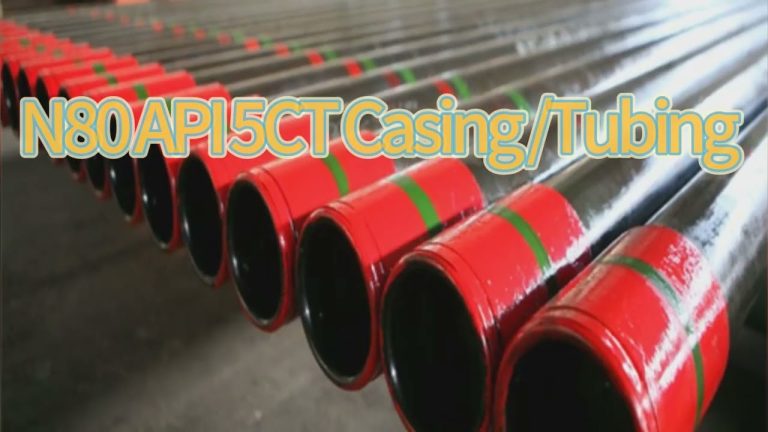
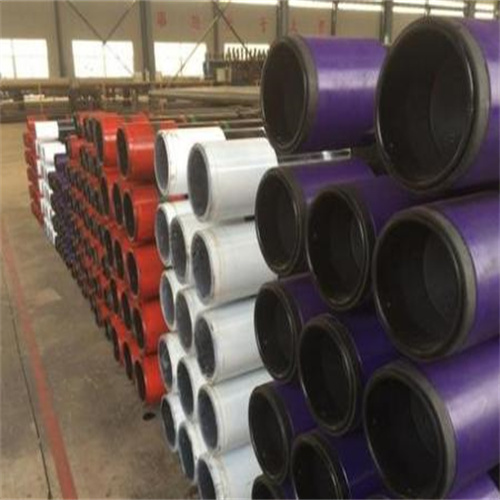
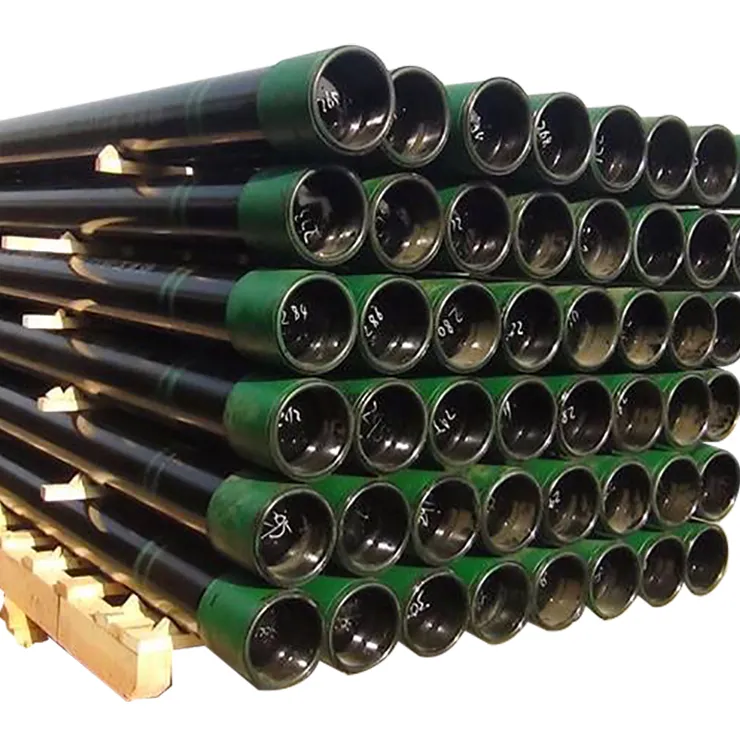
Corrosion in Oil Casing is a significant concern in the Oil and Gas industry, leading to costly Repairs, environmental hazards, and safety risks. As such, the development of anti-corrosion technologies plays a crucial role in ensuring the integrity and longevity of oil casing systems. In recent years, there have been notable advancements in anti-corrosion techniques that aim to enhance the protection of oil casing against corrosive elements.
One of the key technological advancements in anti-corrosion strategies for oil casing is the use of corrosion-resistant alloys. These alloys are specifically designed to withstand harsh environments and resist corrosion more effectively than traditional Materials. By incorporating corrosion-resistant alloys into the manufacturing of oil casing, operators can significantly extend the lifespan of their equipment and reduce the frequency of Maintenance and replacement.
Furthermore, the application of protective coatings has also emerged as a popular method for preventing corrosion in oil casing. These coatings act as a barrier between the metal surface of the casing and corrosive agents, such as water, chemicals, and gases. Advanced coating technologies, such as epoxy coatings, polyurethane coatings, and thermal spray coatings, offer enhanced protection and durability, ensuring long-term Corrosion resistance for oil casing systems.
In addition to corrosion-resistant alloys and protective coatings, cathodic protection systems have become increasingly prevalent in safeguarding oil casing against corrosion. Cathodic protection works by creating an electrochemical reaction that prevents the metal surface from corroding. This method is particularly effective in environments where corrosion is a persistent threat, such as offshore drilling operations or Pipelines exposed to corrosive soils.
Moreover, the integration of smart monitoring systems has revolutionized the way corrosion is detected and managed in oil casing. These systems utilize sensors and data analytics to continuously monitor the condition of the casing, providing real-time insights into corrosion rates and potential vulnerabilities. By leveraging predictive maintenance strategies based on data-driven analysis, operators can proactively address corrosion issues before they escalate, minimizing downtime and maximizing operational efficiency.
Another notable advancement in anti-corrosion technologies for oil casing is the development of corrosion inhibitors. These chemical compounds are designed to mitigate the effects of corrosion by forming a protective layer on the metal surface, inhibiting the corrosive process. Corrosion inhibitors can be applied through various methods, such as injection into the wellbore or inclusion in the drilling fluid, offering a versatile and cost-effective solution for corrosion prevention.
Overall, the latest technological advancements in anti-corrosion techniques for oil casing represent a significant step forward in ensuring the reliability and safety of oil and gas operations. By incorporating corrosion-resistant alloys, protective coatings, cathodic protection systems, smart monitoring technologies, and corrosion inhibitors, operators can effectively mitigate the risks associated with corrosion, prolonging the lifespan of oil casing and optimizing production efficiency. As the industry continues to evolve, ongoing research and innovation in anti-corrosion technologies will be essential in addressing the challenges posed by corrosion and maintaining the integrity of oil casing systems.