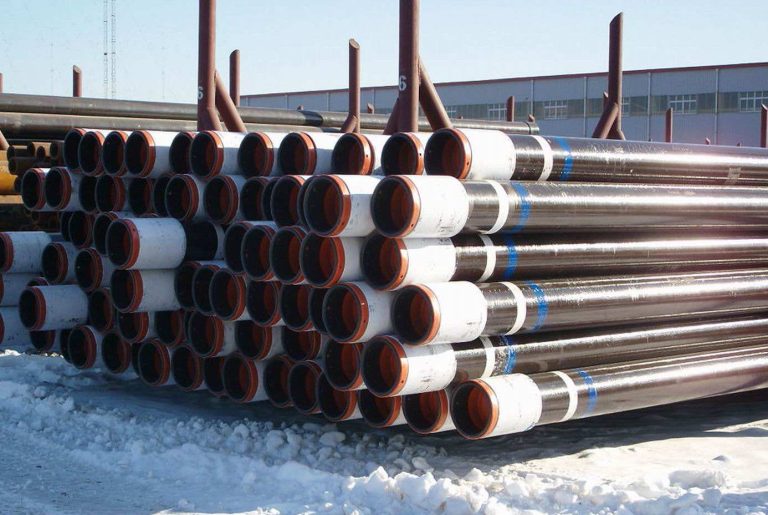
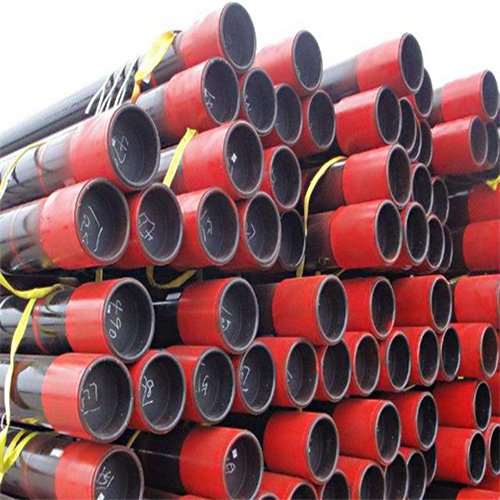
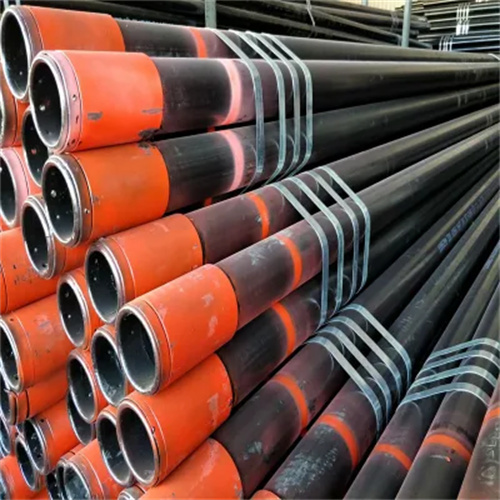
Benefits of Anti-Corrosion Awareness in Oil Casing Industry
Corrosion in the oil casing industry is a significant concern that can lead to costly Repairs, environmental damage, and safety hazards. Therefore, raising awareness about anti-corrosion measures and technologies is crucial for ensuring the longevity and efficiency of oil casing systems.
One of the primary benefits of anti-corrosion awareness in the oil casing industry is the preservation of infrastructure. Corrosion can weaken the structural integrity of oil casings, leading to leaks, spills, and potential environmental contamination. By implementing effective anti-corrosion strategies, such as coatings, inhibitors, and cathodic protection, operators can extend the lifespan of their equipment and reduce the risk of catastrophic failures.
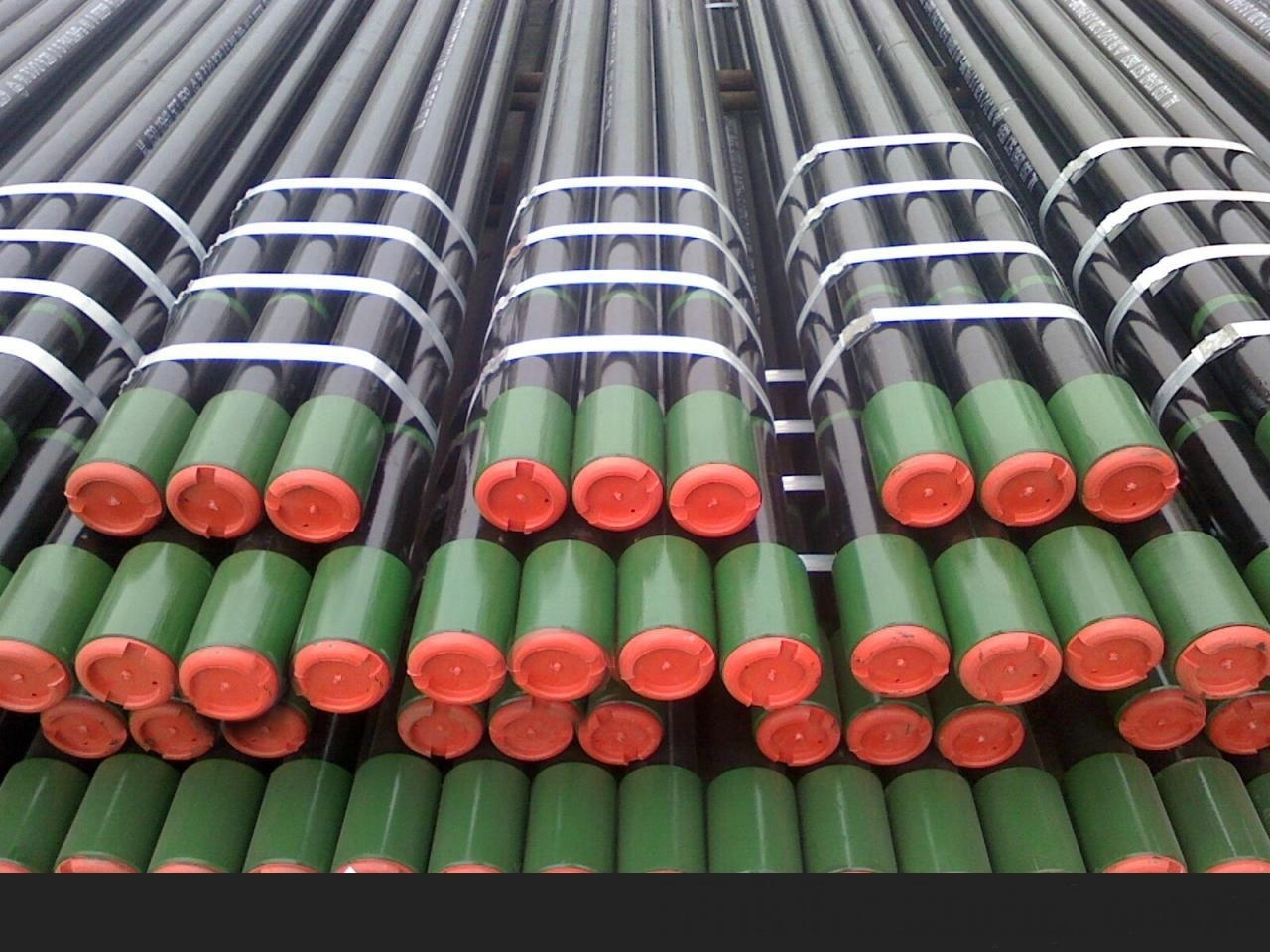
Moreover, anti-corrosion awareness can help Companies save money in the long run. Corrosion-related Maintenance and repair costs can be substantial, especially in the Oil and Gas industry where equipment operates in harsh environments. By investing in anti-corrosion technologies and practices, companies can minimize downtime, increase operational efficiency, and avoid costly replacements.
In addition to financial savings, anti-corrosion awareness also contributes to environmental protection. Corrosion-related leaks and spills can have devastating consequences on ecosystems and local communities. By proactively addressing corrosion issues, companies can reduce the risk of environmental incidents and demonstrate their commitment to sustainable practices.
Furthermore, promoting anti-corrosion awareness fosters a culture of safety within the oil casing industry. Corrosion compromises the structural integrity of equipment, increasing the likelihood of accidents and injuries. By prioritizing corrosion prevention and maintenance, companies can create a safer working environment for their employees and contractors.
Effective anti-corrosion awareness also enhances the reputation of companies within the oil and gas sector. Demonstrating a commitment to protecting infrastructure, the environment, and worker safety can improve stakeholder trust and attract investment. In an industry where public perception and regulatory compliance are paramount, anti-corrosion initiatives can set companies apart as responsible and reliable operators.
Technological advancements in Anti-corrosion coatings and Materials have further enhanced the effectiveness of corrosion prevention strategies. innovations such as nanotechnology-based coatings, smart corrosion sensors, and predictive maintenance tools have revolutionized the way companies approach corrosion management. By leveraging these cutting-edge technologies, operators can proactively identify and address corrosion issues before they escalate.
In conclusion, anti-corrosion awareness is essential for the oil casing industry to ensure the integrity, safety, and sustainability of operations. By investing in anti-corrosion technologies, promoting best practices, and fostering a culture of prevention, companies can mitigate the risks associated with corrosion and reap the numerous benefits of a corrosion-free environment. Embracing anti-corrosion awareness is not only a sound business decision but also a moral imperative to protect people, the planet, and profits in the long term.
Latest Technological Advancements in Anti-Corrosion Techniques for Oil Casing
Corrosion in oil casing is a significant concern in the oil and gas industry, leading to costly repairs, environmental hazards, and safety risks. As such, the development of anti-corrosion technologies plays a crucial role in ensuring the integrity and longevity of oil casing systems. In recent years, there have been notable advancements in anti-corrosion techniques that aim to enhance the protection of oil casing against corrosive elements.
One of the key technological advancements in anti-corrosion strategies for oil casing is the use of corrosion-resistant alloys. These alloys are specifically designed to withstand harsh environments and resist corrosion more effectively than traditional materials. By incorporating corrosion-resistant alloys into the manufacturing of oil casing, operators can significantly extend the lifespan of their equipment and reduce the frequency of maintenance and replacement.
Furthermore, the application of protective coatings has also emerged as a popular method for preventing corrosion in oil casing. These coatings act as a barrier between the metal surface of the casing and corrosive agents, such as water, chemicals, and gases. Advanced coating technologies, such as epoxy coatings, polyurethane coatings, and thermal spray coatings, offer enhanced protection and durability, ensuring long-term Corrosion resistance for oil casing systems.
In addition to corrosion-resistant alloys and protective coatings, cathodic protection systems have become increasingly prevalent in safeguarding oil casing against corrosion. Cathodic protection works by creating an electrochemical reaction that prevents the metal surface from corroding. This method is particularly effective in environments where corrosion is a persistent threat, such as offshore drilling operations or Pipelines exposed to corrosive soils.
Moreover, the integration of smart monitoring systems has revolutionized the way corrosion is detected and managed in oil casing. These systems utilize sensors and data analytics to continuously monitor the condition of the casing, providing real-time insights into corrosion rates and potential vulnerabilities. By leveraging predictive maintenance strategies based on data-driven analysis, operators can proactively address corrosion issues before they escalate, minimizing downtime and maximizing operational efficiency.
Another notable advancement in anti-corrosion technologies for oil casing is the development of corrosion inhibitors. These chemical compounds are designed to mitigate the effects of corrosion by forming a protective layer on the metal surface, inhibiting the corrosive process. Corrosion inhibitors can be applied through various methods, such as injection into the wellbore or inclusion in the drilling fluid, offering a versatile and cost-effective solution for corrosion prevention.
Smart Phone Case
Overall, the latest technological advancements in anti-corrosion techniques for oil casing represent a significant step forward in ensuring the reliability and safety of oil and gas operations. By incorporating corrosion-resistant alloys, protective coatings, cathodic protection systems, smart monitoring technologies, and corrosion inhibitors, operators can effectively mitigate the risks associated with corrosion, prolonging the lifespan of oil casing and optimizing production efficiency. As the industry contiNues to evolve, ongoing research and innovation in anti-corrosion technologies will be essential in addressing the challenges posed by corrosion and maintaining the integrity of oil casing systems.