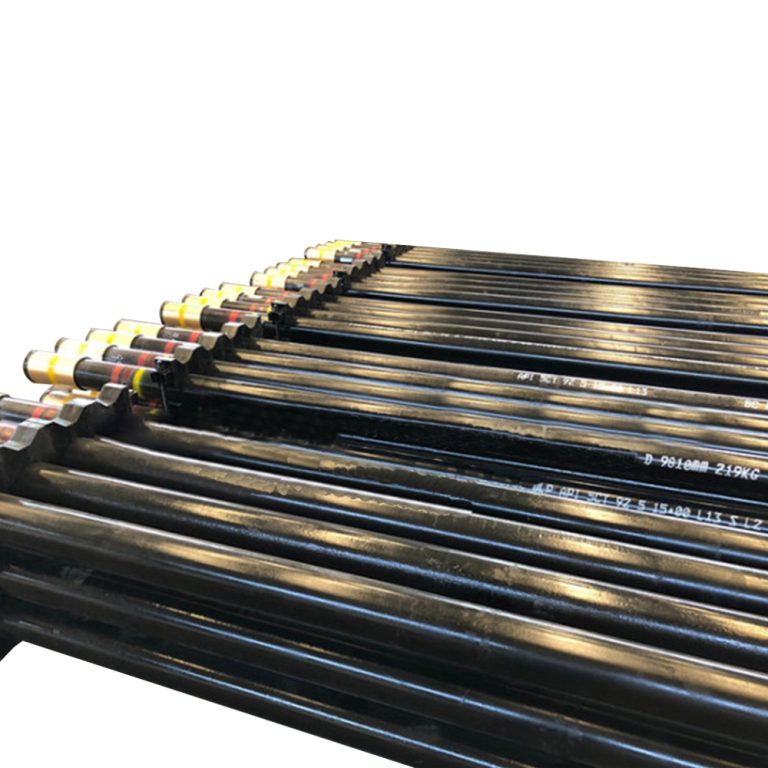
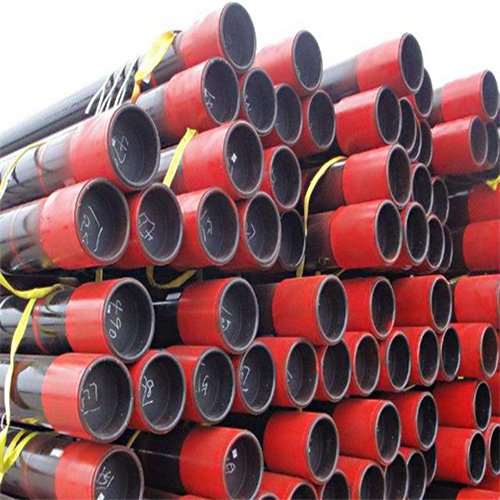
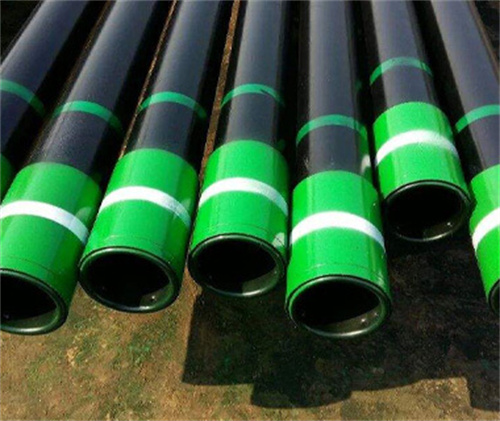
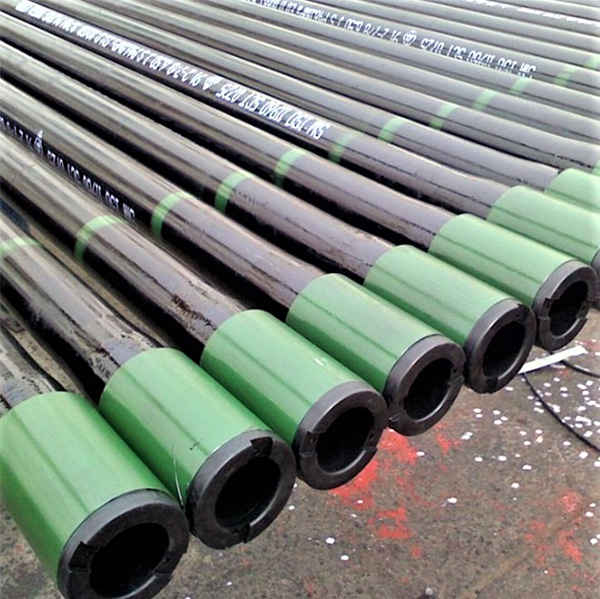
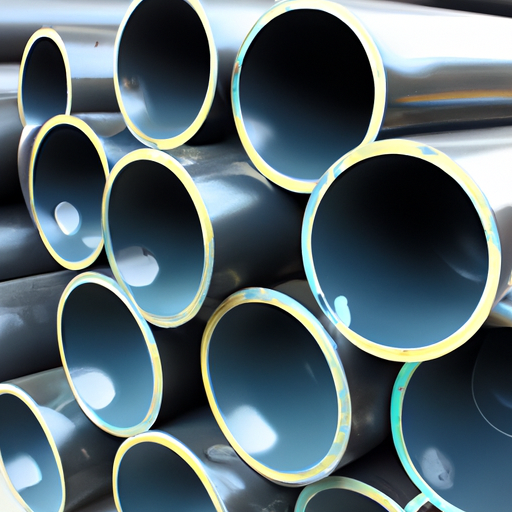
Principales spécifications et utilisations du tuyau de tubage technique API 5ct grade J55
Avantages du choix du tuyau de cuvelage API 5CT Grade J55 pour les applications pétrolières et gazières
Conseils d’entretien et d’inspection pour les tuyaux de tubage techniques API 5CT grade J55
Le tuyau de tubage technique API 5CT Grade J55 joue un rôle crucial dans l’industrie pétrolière et gazière, servant de conduit pour l’extraction et le transport des hydrocarbures des profondeurs de la terre. Son intégrité est essentielle pour garantir la sécurité et l’efficacité des opérations. Un entretien approprié et des inspections régulières sont essentiels pour prolonger la durée de vie et la fiabilité de ces composants critiques.
La Maintenance des tubes de tubage API 5CT Grade J55 commence par une compréhension globale de leur environnement opérationnel. Ces canalisations sont soumises à des conditions extrêmes, notamment des pressions élevées, des fluides corrosifs et des contraintes mécaniques. Par conséquent, une stratégie de maintenance proactive est nécessaire pour attéNuer les pannes potentielles et garantir des performances optimales.
Les inspections de routine sont fondamentales pour détecter les premiers signes de corrosion, d’usure ou de faiblesses structurelles. Les inspections visuelles doivent couvrir toute la longueur du boîtier, en se concentrant sur les cordons de soudure, les connexions et les zones susceptibles de concentrer les contraintes. Les techniques de contrôle non destructif telles que les tests par ultrasons (UT) et l’inspection par magnétoscopie (MPI) peuvent fournir des informations plus approfondies sur l’intégrité de la paroi du tuyau et détecter les défauts internes susceptibles de compromettre sa résistance.
La prévention de la corrosion est une préoccupation majeure en raison de le caractère agressif des fluides hydrocarbonés et les facteurs environnementaux. La mise en œuvre d’inhibiteurs de corrosion pendant l’exploitation peut réduire considérablement le risque de dégradation dans le temps. De plus, l’application de revêtements ou de revêtements protecteurs sur la surface externe du boîtier peut fournir une couche de défense supplémentaire contre les agents corrosifs.
Des procédures de nettoyage régulières sont essentielles pour maintenir l’efficacité hydraulique du boîtier. L’accumulation de tartre, de débris ou de sédiments dans le tuyau peut entraver l’écoulement du fluide et augmenter les coûts d’exploitation. Des méthodes de nettoyage mécanique, telles que le brossage ou le lavage à haute pression, doivent être utilisées pendant les intervalles de maintenance programmés pour éliminer toute obstruction et restaurer des conditions d’écoulement optimales.
La surveillance de l’usure et de la fatigue du boîtier est essentielle pour éviter des pannes soudaines qui pourraient entraîner des temps d’arrêt coûteux et risques pour la sécurité. L’établissement d’un calendrier d’inspection robuste basé sur les cycles opérationnels et les conditions environnementales permet aux opérateurs d’anticiper les problèmes potentiels et de prendre des mesures proactives pour les résoudre avant qu’ils ne s’aggravent.
La documentation et la tenue de registres font partie intégrante d’un programme de maintenance complet. La tenue de registres détaillés des inspections, des réparations et des paramètres opérationnels fournit des données historiques précieuses pour l’analyse des tendances et la prise de décision. Ces informations permettent aux opérateurs d’identifier les modèles de détérioration, d’optimiser les intervalles de maintenance et d’améliorer les stratégies globales de gestion des actifs.
En conclusion, la maintenance et l’inspection des tuyaux de tubage d’ingénierie API 5CT Grade J55 sont des responsabilités essentielles qui ont un impact direct sur l’efficacité opérationnelle et la sécurité de activités d’extraction de pétrole et de gaz. En mettant en œuvre une approche de maintenance proactive qui comprend des inspections régulières, des mesures de prévention de la corrosion, des procédures de nettoyage et une tenue de registres diligente, les opérateurs peuvent prolonger la durée de vie des tuyaux de tubage, atténuer les risques et garantir une fiabilité continue dans des environnements opérationnels exigeants. Cet engagement en faveur de la maintenance protège non seulement des actifs précieux, mais soutient également des pratiques de production durables et efficaces dans l’industrie pétrolière et gazière.
Moreover, the mechanical properties of API 5CT Grade J55 further underscore its suitability for the demanding conditions of Oil and Gas fields. With a specified yield strength and tensile strength, it offers the necessary structural integrity to withstand the forces exerted during drilling, Casing running, and subsequent production phases. This mechanical robustness not only enhances safety but also extends the operational lifespan of the casing, optimizing overall project economics.
In addition to its mechanical prowess, API 5CT Grade J55 engineered Casing Pipe is designed with operational versatility in mind. Its compatibility with various wellbore fluids and environments ensures adaptability across a spectrum of drilling conditions\—from conventional to more challenging reservoirs. This adaptability is crucial in enabling operators to navigate diverse geological formations and maintain operational efficiency without compromising on performance or reliability.
Furthermore, the Corrosion resistance of API 5CT Grade J55 adds another layer of protection against the corrosive effects of well fluids and external environmental factors. This resistance minimizes the risk of structural degradation over time, thereby reducing maintenance costs and enhancing the long-term integrity of the well infrastructure. Such resilience against corrosion is pivotal in extending the operational lifespan of the casing, ensuring sustained performance throughout the lifecycle of the well.
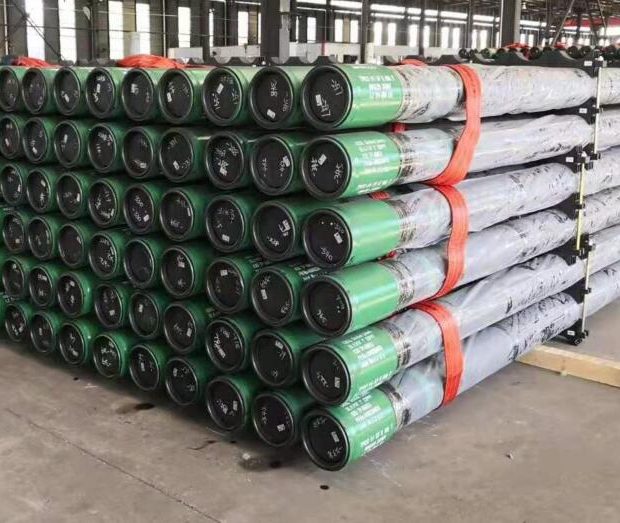 The dimensional accuracy and consistency of API 5CT Grade J55 casing pipe further contribute to its appeal in oil and gas applications. Precision-engineered to exacting specifications, it facilitates seamless installation and integration within the wellbore architecture, promoting efficient casing operations and cementation processes. This dimensional reliability not only streamlines Construction timelines but also enhances wellbore integrity, mitigating risks associated with casing failures or operational disruptions.
Moreover, API 5CT Grade J55 is supported by a robust quality assurance framework that guarantees compliance with industry standards and regulatory requirements. Rigorous testing and inspection protocols ensure that each casing pipe meets the specified criteria for Material composition, mechanical properties, and performance characteristics. This commitment to quality underscores the reliability and performance assurance that operators seek in critical well construction applications.
In conclusion, API 5CT Grade J55 engineered casing pipe emerges as a preferred choice for oil and gas applications, offering a compelling combination of durability, mechanical strength, operational versatility, corrosion resistance, and dimensional precision. These attributes collectively contribute to its role in enhancing operational efficiency, minimizing risks, and optimizing lifecycle costs across drilling and production activities. As the industry continues to evolve, API 5CT Grade J55 remains steadfast in its ability to meet the evolving demands of modern oil and gas exploration and production, reinforcing its position as a cornerstone of reliable well construction technology.
Maintenance and Inspection Tips for API 5CT Grade J55 Engineered Casing Pipe
API 5CT Grade J55 Engineered Casing Pipe plays a crucial role in the oil and gas industry, serving as a conduit for extracting and transporting hydrocarbons from deep within the earth. Its integrity is vital for ensuring the safety and efficiency of operations. Proper maintenance and regular inspections are essential to prolonging the lifespan and reliability of these critical components.
Maintaining API 5CT Grade J55 casing Pipes begins with a comprehensive understanding of their operational environment. These pipes are subjected to extreme conditions, including high pressures, corrosive fluids, and mechanical stresses. Therefore, a proactive maintenance strategy is necessary to mitigate potential failures and ensure optimal performance.
Routine inspections are fundamental in detecting early signs of corrosion, wear, or structural weaknesses. Visual inspections should encompass the entire Length of the casing, focusing on weld seams, Connections, and areas susceptible to stress concentration. Non-destructive testing techniques such as ultrasonic testing (UT) and magnetic particle inspection (MPI) can provide deeper insights into the integrity of the pipe wall and detect internal defects that may compromise its strength.
Corrosion prevention is a primary concern due to the aggressive nature of hydrocarbon fluids and environmental factors. Implementing corrosion inhibitors during operation can significantly reduce the risk of degradation over time. Additionally, applying protective coatings or linings to the external surface of the casing can provide an additional layer of defense against corrosive agents.
Regular cleaning procedures are essential to maintain the hydraulic efficiency of the casing. Accumulation of scale, debris, or sediment within the pipe can impede fluid flow and increase operational costs. Mechanical cleaning methods, such as brushing or high-pressure washing, should be employed during scheduled maintenance intervals to remove any obstructions and restore optimal flow conditions.
Monitoring casing wear and fatigue is critical for preventing sudden failures that could lead to costly downtime and safety hazards. Establishing a robust inspection schedule based on operational cycles and environmental conditions allows operators to anticipate potential issues and take proactive measures to address them before they escalate.
Documentation and record-keeping are integral parts of a comprehensive maintenance program. Keeping detailed records of inspections, Repairs, and operational parameters provides valuable historical data for trend analysis and decision-making. This information enables operators to identify patterns of deterioration, optimize maintenance intervals, and enhance overall asset management strategies.
In conclusion, the maintenance and inspection of API 5CT Grade J55 Engineered Casing Pipe are essential responsibilities that directly impact the operational efficiency and safety of oil and gas extraction activities. By implementing a proactive maintenance approach that includes regular inspections, corrosion prevention measures, cleaning procedures, and diligent record-keeping, operators can prolong the lifespan of casing pipes, mitigate risks, and ensure continued reliability in demanding operational environments. This commitment to maintenance not only protects valuable assets but also supports sustainable and efficient production practices in the oil and gas industry.