Importance des normes ASTM pour garantir la qualité des produits :
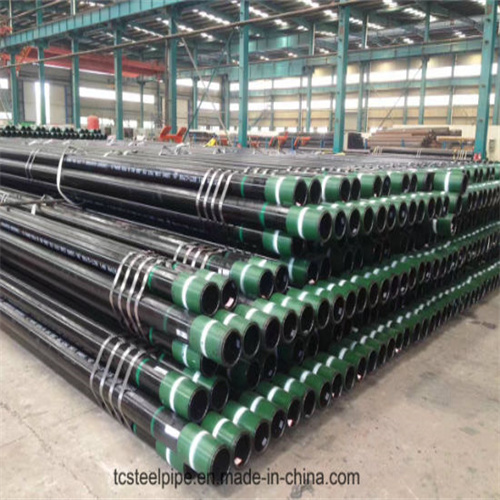
tube en acier q195
– Les normes ASTM jouent un rôle crucial dans diverses industries en fournissant des lignes directrices et des spécifications pour la fabrication et les tests de produits
De plus, les normes ASTM jouent un rôle central dans la promotion du commerce et de la collaboration internationaux. En fournissant un langage commun et une référence en matière de qualité, les normes ASTM facilitent une communication et une interopérabilité transparentes entre les partenaires mondiaux, transcendant les frontières géographiques et promouvant l’harmonisation des normes de produits dans le monde entier.
Essentiellement, ASTM sert de phare d’excellence, guidant les industries vers des normes plus élevées. de qualité, de sécurité et d’innovation. Son engagement inébranlable à établir la référence en matière de fabrication et de tests de produits souligne son rôle indispensable dans l’élaboration du paysage des industries modernes, en favorisant le progrès et en garantissant le bien-être des consommateurs et de l’environnement.
En conclusion, les normes ASTM constituent une référence. témoigne du pouvoir de la normalisation pour favoriser l’excellence et la fiabilité dans diverses industries. En respectant des directives et des spécifications rigoureuses, ASTM contiNue d’être une force motrice derrière l’innovation, l’assurance qualité et l’harmonisation mondiale, ouvrant la voie à un avenir où les produits ne sont pas seulement fabriqués, mais fabriqués avec précision, intégrité et un engagement envers l’excellence.
Furthermore, ASTM standards play a vital role in international trade and commerce. By harmonizing technical requirements and testing procedures, ASTM standards facilitate the exchange of goods and services across borders. This promotes global cooperation, reduces trade barriers, and ensures that products meet consistent quality standards regardless of their country of origin.
Overall, ASTM standards are essential for ensuring product quality, safety, and performance across various industries. By providing clear guidelines and benchmarks, ASTM helps Manufacturers produce high-quality products, comply with regulations, drive innovation, and facilitate international trade. Adherence to ASTM standards not only benefits Companies by enhancing their products and processes but also contributes to the overall advancement and sustainability of industries worldwide.
– ASTM standards play a crucial role in various industries by providing guidelines and specifications for the manufacturing and testing of products
The American Society for Testing and Materials (ASTM) stands as a cornerstone in the realm of standardization, offering a comprehensive framework that shapes the quality and safety of products across diverse industries. Established in 1898, ASTM has evolved into a globally recognized authority, setting the bar for excellence through its meticulous standards and guidelines.
At the core of ASTM’s significance lies its commitment to ensuring uniformity and reliability in product manufacturing and testing processes. By delineating precise specifications and procedures, ASTM standards serve as a compass for manufacturers, engineers, and regulators, fostering consistency and quality assurance in the production of goods.
One of the key strengths of ASTM standards is their adaptability across a wide array of industries. Whether it’s Construction, aerospace, healthcare, or automotive sectors, ASTM standards cater to the unique requirements of each domain, offering tailored guidelines that address specific challenges and ensure compliance with industry best practices.
Moreover, ASTM standards are not static; they are dynamic and responsive to technological advancements and emerging trends. As industries evolve and new technologies emerge, ASTM continuously updates its standards to reflect the latest innovations, thereby staying relevant and instrumental in driving progress and innovation.
The impact of ASTM standards reverberates throughout the entire product lifecycle. From the initial design phase to manufacturing, testing, and eventual deployment, adherence to ASTM standards instills confidence in the quality and performance of products, instigating trust among consumers and stakeholders.
 Furthermore, ASTM standards play a pivotal role in fostering international trade and collaboration. By providing a common language and benchmark for quality, ASTM standards facilitate seamless communication and interoperability among global partners, transcending geographical boundaries and promoting harmonization in product standards worldwide.
In essence, ASTM serves as a beacon of excellence, guiding industries towards higher standards of quality, safety, and innovation. Its unwavering dedication to setting the gold standard in product manufacturing and testing underscores its indispensable role in sh APIng the landscape of modern industries, driving progress, and ensuring the well-being of consumers and the environment.
In conclusion, ASTM standards stand as a testament to the power of standardization in fostering excellence and reliability across diverse industries. By upholding rigorous guidelines and specifications, ASTM continues to be a driving force behind innovation, quality assurance, and global harmonization, setting the stage for a future where products are not just manufactured, but crafted with precision, integrity, and a commitment to excellence.