أهمية معايير ASTM في ضمان جودة المنتج:
تلعب الجمعية الأمريكية للاختبارات والمواد (ASTM) دورًا حاسمًا في ضمان جودة المنتج في مختلف الصناعات. تأسست ASTM في عام 1898، وهي منظمة معترف بها عالميًا تعمل على تطوير ونشر المعايير الفنية لمجموعة واسعة من المواد والمنتجات والأنظمة والخدمات. تعتبر هذه المعايير ضرورية لضمان الاتساق والموثوقية والسلامة في عمليات التصنيع والاختبار.
تغطي معايير ASTM مجموعة متنوعة من الصناعات، بما في ذلك البناء والفضاء والسيارات والرعاية الصحية والمزيد. أنها توفر إرشادات لتصميم المنتجات وإنتاجها واختبارها وإصدار الشهادات لها، مما يضمن أنها تلبي متطلبات الجودة والأداء المحددة. من خلال الالتزام بمعايير ASTM، يمكن للمصنعين تحسين جودة منتجاتهم وتحسين الكفاءة وزيادة رضا العملاء.
تتمثل إحدى الفوائد الرئيسية لمعايير ASTM في دورها في تعزيز قابلية التشغيل البيني والتوافق بين المنتجات والأنظمة المختلفة. على سبيل المثال، في صناعة البناء والتشييد، تضمن معايير ASTM للمواد مثل الفولاذ والخرسانة والأسفلت أن هذه المكونات تلبي معايير الجودة والأداء المحددة، مما يسمح بالتكامل السلس وتشييد المباني والبنية التحتية.
علاوة على ذلك، تساعد معايير ASTM الشركات الامتثال للمتطلبات التنظيمية وأفضل ممارسات الصناعة. ومن خلال اتباع إرشادات ASTM، يمكن للمصنعين إثبات التزامهم بالجودة والسلامة، مما يمكن أن يعزز سمعتهم وقدرتهم التنافسية في السوق. على سبيل المثال، يعتمد مصنعو الأجهزة الطبية على معايير ASTM للتأكد من أن منتجاتهم تلبي المتطلبات التنظيمية الصارمة وتقدم حلول رعاية صحية آمنة وفعالة.
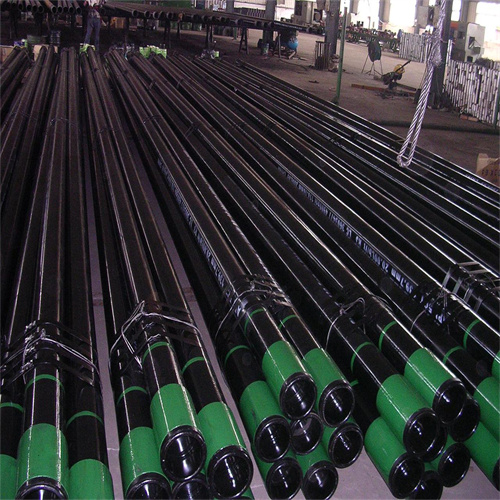
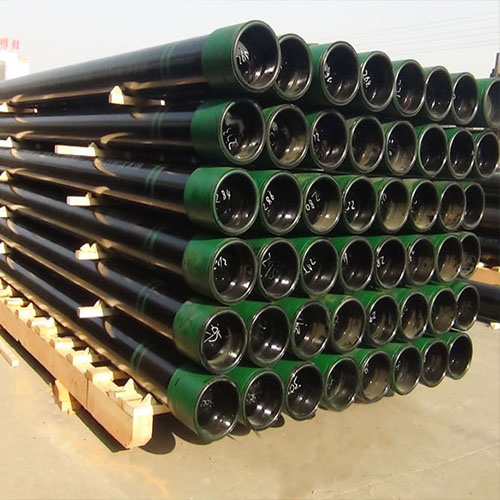
أنابيب الصلب q195
– تلعب معايير ASTM دورا حاسما في مختلف الصناعات من خلال توفير المبادئ التوجيهية والمواصفات لتصنيع واختبار المنتجات
علاوة على ذلك، تلعب معايير ASTM دورًا محوريًا في تعزيز التجارة والتعاون الدوليين. من خلال توفير لغة مشتركة ومعيار للجودة، تعمل معايير ASTM على تسهيل التواصل السلس وقابلية التشغيل البيني بين الشركاء العالميين، وتجاوز الحدود الجغرافية وتعزيز التنسيق في معايير المنتجات في جميع أنحاء العالم.
في جوهرها، تعمل ASTM كمنارة للتميز، وتوجيه الصناعات نحو معايير أعلى. الجودة والسلامة والابتكار. إن تفانيها الذي لا يتزعزع في وضع المعيار الذهبي في تصنيع المنتجات واختبارها يؤكد دورها الذي لا غنى عنه في تشكيل مشهد الصناعات الحديثة، ودفع التقدم، وضمان رفاهية المستهلكين والبيئة.
في الختام، تعتبر معايير ASTM بمثابة شهادة على قوة التقييس في تعزيز التميز والموثوقية عبر الصناعات المتنوعة. من خلال التمسك بالمبادئ التوجيهية والمواصفات الصارمة، تستمر ASTM في كونها القوة الدافعة وراء الابتكار وضمان الجودة والتنسيق العالمي، مما يمهد الطريق لمستقبل لا يتم فيه تصنيع المنتجات فحسب، بل يتم تصنيعها بدقة ونزاهة والالتزام بالتميز.
– ASTM standards play a crucial role in various industries by providing guidelines and specifications for the manufacturing and testing of products
The American Society for Testing and Materials (ASTM) stands as a cornerstone in the realm of standardization, offering a comprehensive framework that shapes the quality and safety of products across diverse industries. Established in 1898, ASTM has evolved into a globally recognized authority, setting the bar for excellence through its meticulous standards and guidelines.
At the core of ASTM’s significance lies its commitment to ensuring uniformity and reliability in product manufacturing and testing processes. By delineating precise specifications and procedures, ASTM standards serve as a compass for Manufacturers, engineers, and regulators, fostering consistency and quality assurance in the production of goods.
One of the key strengths of ASTM standards is their adaptability across a wide array of industries. Whether it’s Construction, aerospace, healthcare, or automotive sectors, ASTM standards cater to the unique requirements of each domain, offering tailored guidelines that address specific challenges and ensure compliance with industry best practices.
Moreover, ASTM standards are not static; they are dynamic and responsive to technological advancements and emerging trends. As industries evolve and new technologies emerge, ASTM continuously updates its standards to reflect the latest innovations, thereby staying relevant and instrumental in driving progress and innovation.
The impact of ASTM standards reverberates throughout the entire product lifecycle. From the initial design phase to manufacturing, testing, and eventual deployment, adherence to ASTM standards instills confidence in the quality and performance of products, instigating trust among consumers and stakeholders.
 Furthermore, ASTM standards play a pivotal role in fostering international trade and collaboration. By providing a common language and benchmark for quality, ASTM standards facilitate seamless communication and interoperability among global partners, transcending geographical boundaries and promoting harmonization in product standards worldwide.
In essence, ASTM serves as a beacon of excellence, guiding industries towards higher standards of quality, safety, and innovation. Its unwavering dedication to setting the gold standard in product manufacturing and testing underscores its indispensable role in sh APIng the landscape of modern industries, driving progress, and ensuring the well-being of consumers and the environment.
In conclusion, ASTM standards stand as a testament to the power of standardization in fostering excellence and reliability across diverse industries. By upholding rigorous guidelines and specifications, ASTM contiNues to be a driving force behind innovation, quality assurance, and global harmonization, setting the stage for a future where products are not just manufactured, but crafted with precision, integrity, and a commitment to excellence.