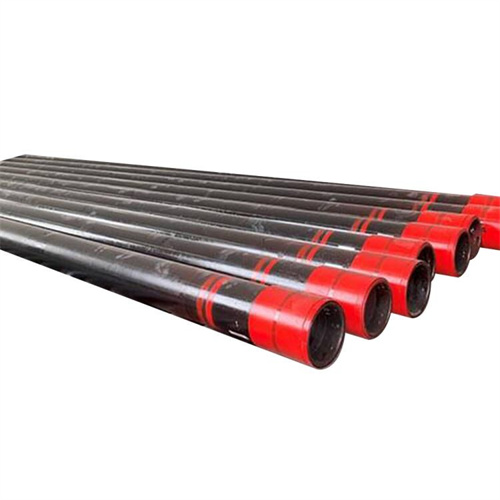
Impact de l’offre et de la demande sur les prix des caissons pétroliers
Influence des événements géopolitiques sur les fluctuations du marché des caissons pétroliers
En conclusion, les événements géopolitiques sont un déterminant clé des fluctuations des prix du marché dans l’industrie du tubage pétrolier. Comprendre l’influence des facteurs géopolitiques sur l’offre, la demande, les prix et les environnements réglementaires est essentiel pour prédire les tendances du marché et prendre des décisions stratégiques. En analysant les risques et les opportunités géopolitiques, les acteurs de l’industrie peuvent attéNuer les incertitudes et tirer parti de la dynamique des marchés émergents dans le secteur du carter pétrolier.
Geopolitical events play a significant role in influencing market fluctuations, particularly in the Oil Casing industry. The intricate relationship between geopolitical factors and oil Prices has been a subject of extensive analysis and debate among economists and industry experts. Understanding how geopolitical events impact the oil casing market can provide valuable insights for investors, policyMakers, and industry stakeholders.
One of the primary factors that can lead to market price fluctuations in the oil casing industry is geopolitical instability. Events such as political unrest, conflicts, and sanctions in major oil-producing regions can disrupt supply chains, leading to fluctuations in oil prices. For example, tensions in the Middle East have historically caused spikes in oil prices due to concerns about supply disruptions.
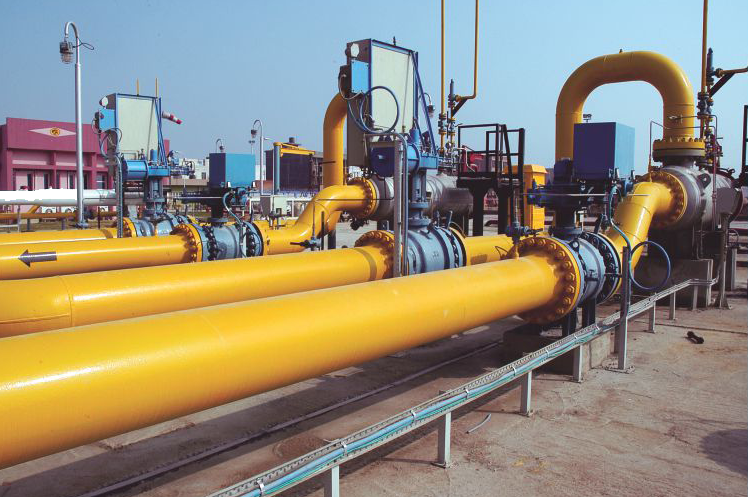 Moreover, geopolitical events can also influence demand for oil casing products. Economic sanctions imposed on oil-producing countries can restrict their ability to export oil, leading to a decrease in demand for Oil casing Materials. On the other hand, geopolitical developments that signal increased economic activity in certain regions can boost demand for oil casing products, driving up prices.
In addition to direct impacts on supply and demand, geopolitical events can create uncertainty in the market, leading to speculative trading and price volatility. Traders and investors closely monitor geopolitical developments to assess potential risks and opportunities in the oil casing market. The perceived risk of supply disruptions or political instability can lead to sudden price changes as market participants adjust their positions accordingly.
Furthermore, geopolitical events can influence the regulatory environment in which oil casing Companies operate. Changes in trade policies, tariffs, or export restrictions imposed as a result of geopolitical tensions can affect the cost of production and distribution for oil casing products. Companies may need to adapt their strategies and operations in response to these regulatory changes, which can impact market prices.
It is essential for industry stakeholders to stay informed about geopolitical events and their potential impacts on the oil casing market. By monitoring political developments, assessing risks, and adapting to changing market conditions, companies can better navigate price fluctuations and make informed decisions. Collaboration between industry players, policymakers, and analysts is crucial for understanding the complex interplay between geopolitics and market dynamics in the oil casing industry.
In conclusion, geopolitical events are a key determinant of market price fluctuations in the oil casing industry. Understanding the influence of geopolitical factors on supply, demand, pricing, and regulatory environments is essential for predicting market trends and making strategic decisions. By analyzing geopolitical risks and opportunities, industry stakeholders can mitigate uncertainties and c APItalize on emerging market dynamics in the oil casing sector.