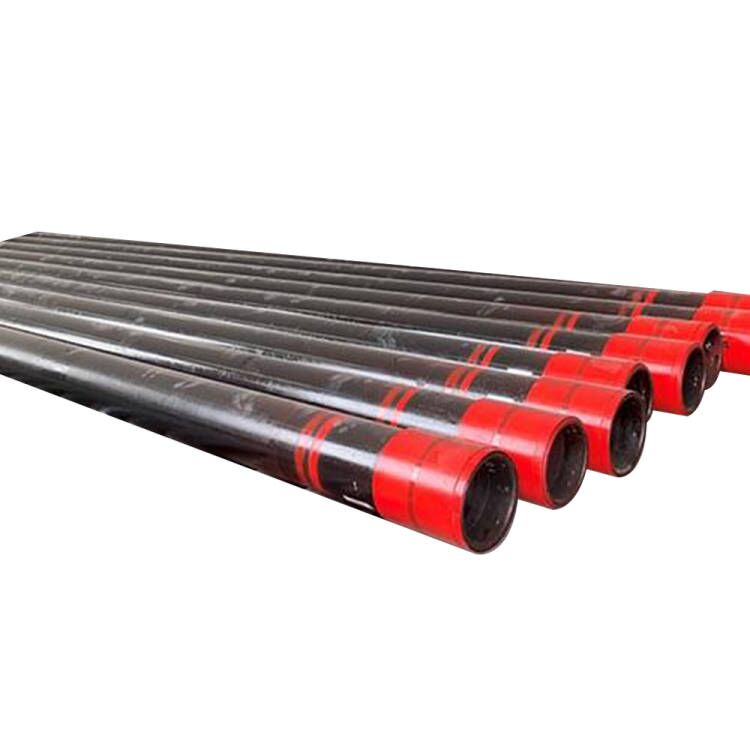
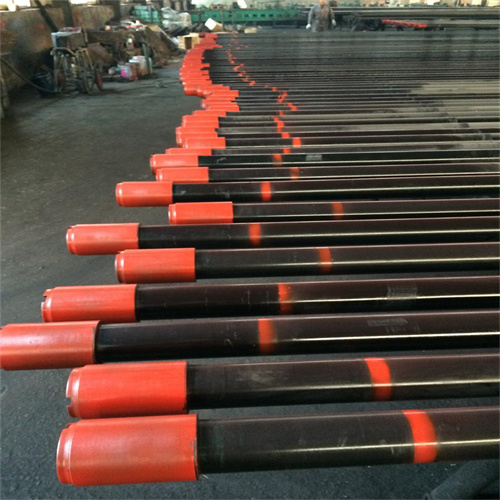
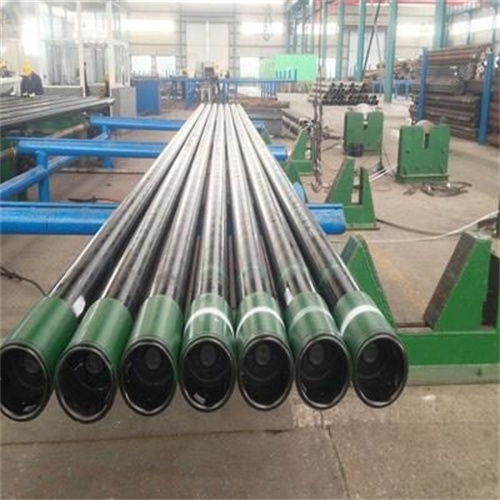
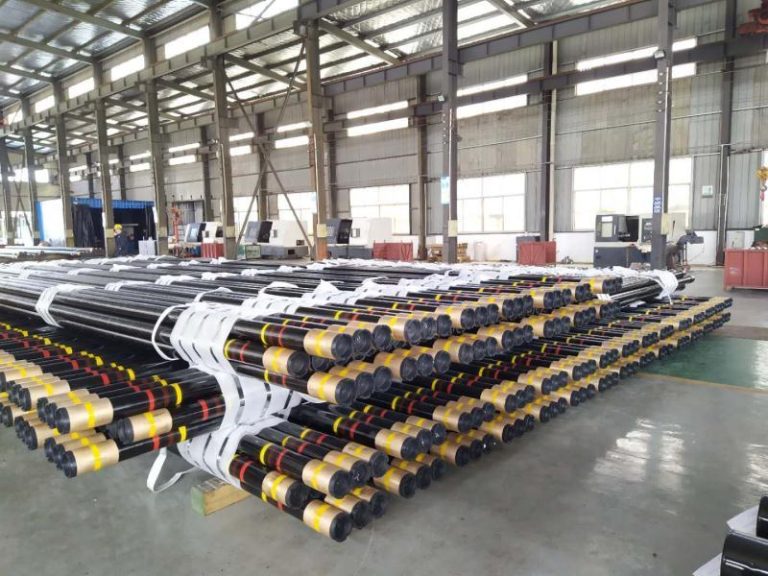
Avantages de l’utilisation d’alliages d’acier à haute résistance pour les matériaux de cuvelage d’huile
En plus de leur résistance, les alliages d’acier à haute résistance offrent une excellente résistance à la corrosion et à l’abrasion. La nature corrosive des fluides des réservoirs de pétrole et de gaz peut causer des dommages importants aux matériaux du tubage au fil du temps, entraînant des réparations et un entretien coûteux. En utilisant des alliages d’acier à haute résistance et résistants à la corrosion, les opérateurs peuvent prolonger la durée de vie du boîtier et réduire le risque de défaillance dû à des problèmes liés à la corrosion.
Organiseur de pilules portable hebdomadaire
Impact de la résistance à la corrosion sur la longévité des matériaux du carter d’huile
Les matériaux de tubage pétrolier jouent un rôle crucial dans l’industrie pétrolière et gazière, car ils fournissent un support structurel et une protection au puits de forage. Le choix du bon matériau de tubage est essentiel pour garantir la longévité et l’efficacité du puits. L’un des facteurs clés qui influencent le choix du matériau de tubage est sa résistance à la corrosion.
La corrosion est une préoccupation majeure dans la production pétrolière et gazière, car elle peut entraîner des défaillances structurelles, des fuites et une contamination de l’environnement. La longévité des matériaux de cuvelage d’huile est directement impactée par leur capacité à résister à la corrosion. Par conséquent, il est important de comprendre les caractéristiques exactes qui contribuent à la résistance à la corrosion de ces matériaux.
L’une des principales caractéristiques qui déterminent la résistance à la corrosion des matériaux de carter d’huile est leur composition. Les aciers inoxydables, par exemple, sont connus pour leur grande résistance à la corrosion due à la présence de chrome, qui forme une couche d’oxyde protectrice à la surface du matériau. Cette couche d’oxyde agit comme une barrière empêchant les agents corrosifs d’atteindre le métal sous-jacent.
En plus de la composition, la microstructure du matériau joue également un rôle important dans sa résistance à la corrosion. Les matériaux à grains fins ont tendance à avoir une meilleure résistance à la corrosion que ceux à grains grossiers, car ils offrent moins de sites d’initiation à la corrosion. De plus, la présence d’éléments d’alliage tels que le molybdène et le nickel peut améliorer la résistance à la corrosion des matériaux de tubage pétrolier.
La finition de surface est un autre facteur important qui influence la résistance à la corrosion des matériaux de tubage pétrolier. Une surface lisse et sans défauts est moins sensible à la corrosion qu’une surface rugueuse ou piquée, car les imperfections peuvent servir de sites d’initiation à la corrosion. Un traitement de surface approprié, tel que la passivation ou le revêtement, peut encore améliorer la résistance à la corrosion du matériau.
L’environnement dans lequel le carter d’huile fonctionne joue également un rôle crucial dans la détermination des exigences de résistance à la corrosion. Des facteurs tels que la température, la pression, le pH et la présence d’agents corrosifs comme le sulfure d’hydrogène et le dioxyde de carbone peuvent tous avoir un impact sur la vitesse de corrosion du matériau. Il est essentiel de sélectionner des matériaux de tubage pétrolier compatibles avec les conditions spécifiques du puits pour garantir des performances à long terme.
Une inspection et un entretien réguliers sont essentiels pour garantir la résistance contiNue à la corrosion des matériaux de tubage pétrolier. La surveillance des taux de corrosion, la réalisation de tests d’intégrité et la mise en œuvre de mesures de prévention de la corrosion peuvent contribuer à prolonger la longévité du carter et à prévenir des pannes coûteuses.
En conclusion, la résistance à la corrosion des matériaux du carter d’huile est un facteur critique qui a un impact direct sur leur longévité et leurs performances dans puits de pétrole et de gaz. En comprenant les caractéristiques exactes qui contribuent à la résistance à la corrosion et en sélectionnant les matériaux en conséquence, les exploitants peuvent garantir la fiabilité et l’efficacité de leurs systèmes de puits. Des pratiques d’entretien et de surveillance appropriées sont essentielles pour préserver l’intégrité des matériaux du carter d’huile et maximiser leur durée de vie.

Moreover, the use of high-strength Steel alloys for Oil Casing Materials can contribute to cost savings in the long run. While these materials may have a higher initial cost compared to conventional casing materials, their extended service life and reduced Maintenance requirements can result in overall cost efficiency over the life of the well. By investing in high-quality casing materials upfront, operators can minimize downtime, enhance operational efficiency, and maximize the return on investment.
In conclusion, the selection of oil casing materials is a critical decision that can impact the performance and reliability of Oil and Gas wells. High-strength steel alloys offer a range of benefits, including superior strength, Corrosion resistance, toughness, and versatility, making them an excellent choice for demanding oil and gas applications. By choosing high-strength steel alloys for oil casing materials, operators can ensure the integrity and longevity of their wells while optimizing operational efficiency and cost-effectiveness.
Impact of Corrosion Resistance on Longevity of Oil Casing Materials
Oil casing materials play a crucial role in the oil and gas industry, as they provide structural support and protection for the wellbore. The selection of the right casing material is essential to ensure the longevity and efficiency of the well. One of the key factors that influence the choice of casing material is its corrosion resistance.
Corrosion is a major concern in oil and gas production, as it can lead to structural failure, leaks, and environmental contamination. The longevity of oil casing materials is directly impacted by their ability to resist corrosion. Therefore, it is important to understand the exact traits that contribute to the corrosion resistance of these materials.
One of the primary traits that determine the corrosion resistance of oil casing materials is their composition. Stainless Steels, for example, are known for their high resistance to corrosion due to the presence of chromium, which forms a protective oxide layer on the surface of the material. This oxide layer acts as a barrier, preventing corrosive agents from reaching the underlying metal.
In addition to composition, the microstructure of the material also plays a significant role in its corrosion resistance. Fine-grained materials tend to have better corrosion resistance than coarse-grained ones, as they offer fewer sites for corrosion to initiate. Furthermore, the presence of alloying elements such as molybdenum and nickel can enhance the corrosion resistance of oil casing materials.
Surface finish is another important factor that influences the corrosion resistance of oil casing materials. A Smooth and defect-free surface is less susceptible to corrosion than a rough or pitted surface, as imperfections can act as initiation sites for corrosion. Proper surface treatment, such as passivation or coating, can further improve the corrosion resistance of the material.
The environment in which the oil casing operates also plays a crucial role in determining the corrosion resistance requirements. Factors such as temperature, pressure, pH, and the presence of corrosive agents like hydrogen sulfide and carbon dioxide can all impact the corrosion rate of the material. It is essential to select oil casing materials that are compatible with the specific conditions of the well to ensure long-term performance.
Regular inspection and maintenance are key to ensuring the continued corrosion resistance of oil casing materials. Monitoring corrosion rates, conducting integrity tests, and implementing corrosion prevention measures can help extend the longevity of the casing and prevent costly failures.
In conclusion, the corrosion resistance of oil casing materials is a critical factor that directly impacts their longevity and performance in oil and gas wells. By understanding the exact traits that contribute to corrosion resistance and selecting materials accordingly, operators can ensure the reliability and efficiency of their well systems. Proper maintenance and monitoring practices are essential to preserving the integrity of oil casing materials and maximizing their service life.