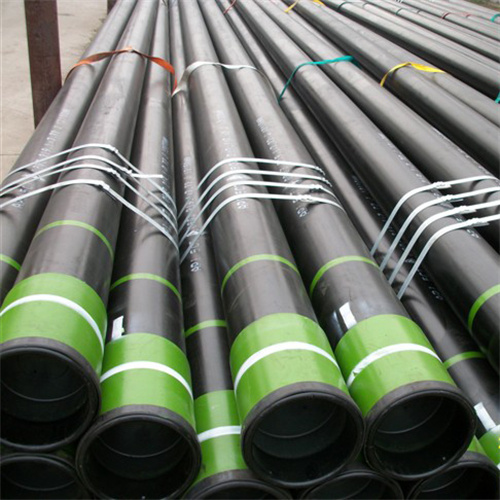
Aperçu des fabricants de boîtiers lucratifs en Chine
Principaux fournisseurs de produits de boîtier et leur impact sur le marché
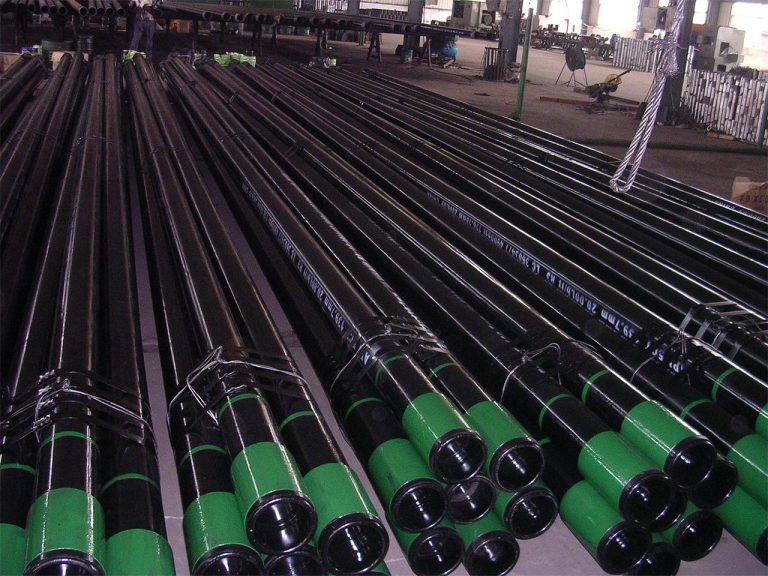
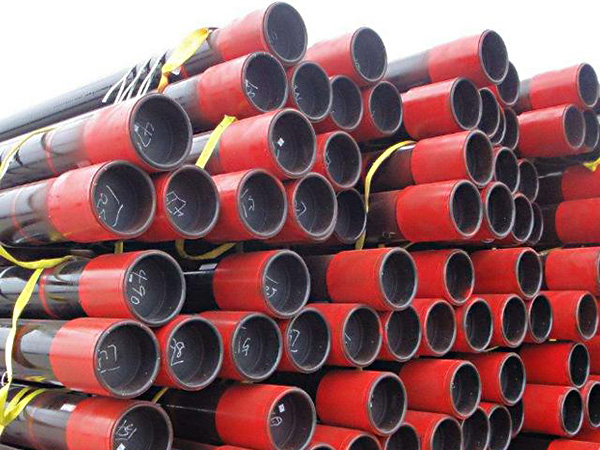
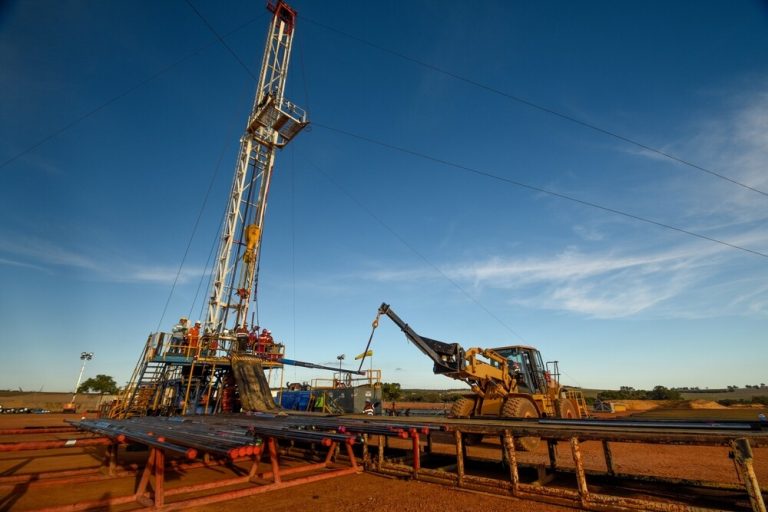
Dans le domaine de l’exploration pétrolière et gazière, l’importance des produits de tubage ne peut être surestimée. Ces composants essentiels servent de barrières protectrices pour les puits, garantissant l’intégrité structurelle et empêchant la contamination des eaux souterraines. Alors que la demande d’énergie contiNue d’augmenter à l’échelle mondiale, le rôle des fabricants et fournisseurs de boîtiers, en particulier chinois, devient de plus en plus crucial. Les fournisseurs chinois de tubages se sont imposés comme des acteurs clés sur le marché, proposant une large gamme de produits répondant à divers besoins de forage. Leur influence s’étend au-delà de la simple offre ; ils façonnent la dynamique du marché, les stratégies de tarification et les avancées technologiques au sein de l’industrie.
Tendances et innovations dans l’industrie chinoise de fabrication de boîtiers
L’industrie chinoise de fabrication de boîtiers a subi des transformations significatives ces dernières années, poussées par les progrès technologiques, l’évolution des demandes du marché et l’importance croissante accordée à la durabilité. En tant que l’un des plus grands producteurs de boîtiers au monde, la Chine s’est positionnée comme un acteur clé dans divers secteurs, notamment le pétrole et le gaz, la Construction et l’électronique. Les tendances et les innovations émergeant de cette industrie reflètent une évolution plus large vers l’efficacité, la qualité et la responsabilité environnementale.
L’une des tendances les plus notables dans le secteur de la fabrication de boîtiers en Chine est l’adoption croissante de l’automatisation et des technologies de fabrication intelligentes. Avec l’essor de l’Industrie 4.0, les fabricants intègrent la robotique avancée, l’intelligence artificielle et l’Internet des objets (IoT) dans leurs processus de production. Ce changement améliore non seulement l’efficacité opérationnelle, mais améliore également la qualité et la cohérence des produits. Par exemple, les systèmes automatisés peuvent surveiller les lignes de production en temps réel, permettant ainsi des ajustements immédiats pour minimiser les défauts et réduire les déchets. En conséquence, les fabricants peuvent répondre à la demande croissante de boîtiers de haute qualité tout en maintenant des prix compétitifs.
En plus de l’automatisation, l’utilisation de matériaux avancés remodèle le paysage de la fabrication de boîtiers. Les fabricants explorent de plus en plus de matériaux innovants offrant des caractéristiques de performance supérieures, telles qu’une durabilité, une résistance à la corrosion et des propriétés de légèreté améliorées. Par exemple, l’incorporation de matériaux composites et d’alliages à haute résistance est de plus en plus répandue, en particulier dans des secteurs comme l’aérospatiale et l’automobile, où les performances et le poids sont des facteurs critiques. Cette tendance répond non seulement aux besoins spécifiques de diverses applications, mais s’aligne également sur la pression mondiale en faveur de pratiques de fabrication plus durables.
La durabilité est un autre objectif clé de l’industrie chinoise de fabrication de boîtiers. Alors que les préoccupations environnementales continuent de croître, les fabricants adoptent des pratiques plus écologiques dans l’ensemble de leurs opérations. Cela comprend la mise en œuvre de méthodes de production économes en énergie, de stratégies de réduction des déchets et l’utilisation de matériaux recyclables. De nombreuses entreprises recherchent également des certifications pour leurs efforts de développement durable, ce qui peut améliorer leur valeur marchande et attirer les consommateurs soucieux de l’environnement. En donnant la priorité au développement durable, les fabricants contribuent non seulement aux efforts mondiaux de lutte contre le changement climatique, mais se positionnent également favorablement sur un marché de plus en plus concurrentiel.
De plus, la transformation numérique de l’industrie de la fabrication de boîtiers facilite une meilleure gestion de la chaîne d’approvisionnement et un engagement client. Avec l’essor du commerce électronique et des plateformes numériques, les fabricants tirent parti de la technologie pour rationaliser leurs opérations et améliorer la communication avec les clients. Cela inclut l’utilisation d’analyses de données pour prévoir la demande, optimiser les niveaux de stocks et améliorer les délais de livraison. En exploitant la puissance des outils numériques, les fabricants peuvent répondre plus efficacement aux fluctuations du marché et aux besoins des clients, générant ainsi croissance et rentabilité.
La collaboration et les partenariats deviennent également de plus en plus importants dans le secteur chinois de la fabrication de boîtiers. Alors que les entreprises cherchent à innover et à élargir leur offre de produits, elles forment des alliances stratégiques avec des instituts de recherche, des fournisseurs de technologies et d’autres fabricants. Ces collaborations permettent le partage de connaissances, de ressources et d’expertise, favorisant une culture d’innovation qui peut conduire au développement de produits et de solutions de pointe. En travaillant ensemble, les entreprises peuvent accélérer leurs efforts de recherche et de développement, commercialisant ainsi plus r APIdement des boîtiers nouveaux et améliorés.
En conclusion, les tendances et les innovations qui façonnent l’industrie chinoise de fabrication de boîtiers reflètent un paysage dynamique et en évolution rapide. L’intégration de l’automatisation, des matériaux avancés et des pratiques durables, associée à la transformation numérique et aux efforts de collaboration, positionne l’industrie pour une croissance et un succès continus. À mesure que les fabricants s’adaptent à ces changements, ils améliorent non seulement leur compétitivité, mais contribuent également à un avenir plus durable et plus efficace pour le marché mondial du boîtier.
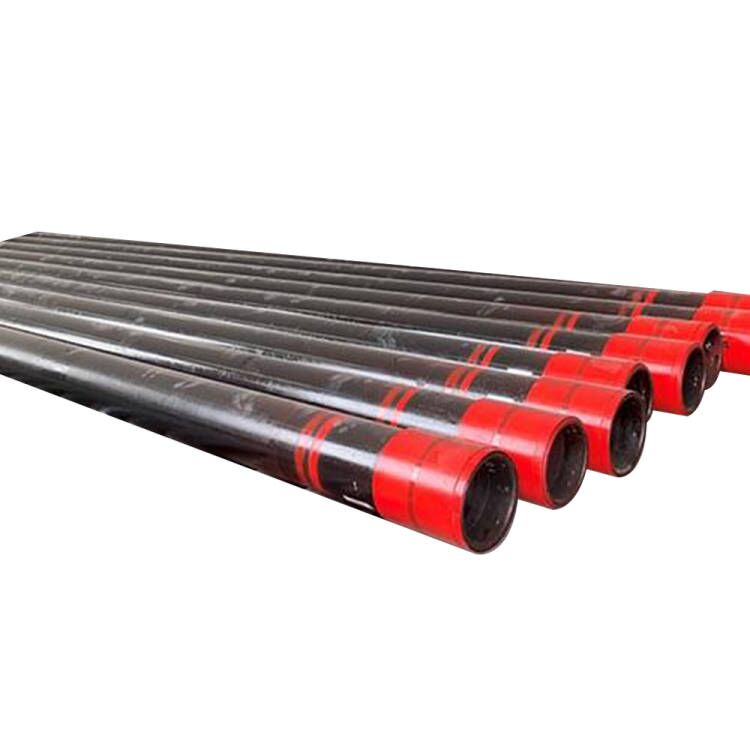
One of the foremost Suppliers in this sector is the Tianjin Pipe Corporation (TPCO), which has garnered a reputation for producing high-quality Casing products that meet international standards. TPCO’s extensive product range includes seamless and welded Casing Pipes, which are crucial for different drilling environments. The Company\’s commitment to innovation and quality control has enabled it to secure a significant share of the global market. By investing in advanced manufacturing technologies and adhering to stringent quality assurance protocols, TPCO not only meets the demands of its clients but also sets benchmarks for competitors.
Another notable player is the Hengyang Valin Steel Tube Co., Ltd., which specializes in the production of various Steel Pipes, including Oil Casing. This company has leveraged its strategic location and robust supply chain to enhance its market presence. By focusing on research and development, Hengyang Valin has introduced several innovative casing solutions that address the challenges faced by modern drilling operations. Their ability to adapt to changing market conditions and customer requirements has solidified their position as a reliable supplier in the industry.
Moreover, the impact of these suppliers extends to pricing strategies within the casing market. chinese Manufacturers often benefit from lower production costs due to economies of scale and access to abundant raw Materials. This competitive pricing allows them to offer attractive deals to international clients, thereby influencing global market Prices. As a result, Companies in other regions may find it challenging to compete, leading to a shift in sourcing strategies among Oil and Gas operators. Many are increasingly turning to Chinese suppliers to secure cost-effective solutions without compromising on quality.
In addition to pricing, the technological advancements introduced by Chinese casing manufacturers have significantly impacted the market. Companies like JFE Steel Corporation and Baosteel have made substantial investments in research and development, resulting in the creation of advanced casing products that enhance drilling efficiency and safety. These innovations not only improve the performance of casing in challenging environments but also contribute to the overall sustainability of drilling operations. As the industry moves towards more environmentally friendly practices, the role of these suppliers in providing eco-friendly casing solutions becomes increasingly important.
Furthermore, the global reach of Chinese casing suppliers has facilitated the establishment of strategic partnerships with oil and gas companies worldwide. By collaborating with international firms, these suppliers can better understand market needs and tailor their products accordingly. This synergy not only enhances the suppliers’ market presence but also fosters innovation and knowledge exchange, ultimately benefiting the entire industry.
casing pipe 8 inch priceIn conclusion, the key suppliers of casing products from china play a crucial role in shaping the oil and gas market. Their commitment to quality, competitive pricing, and technological innovation has positioned them as indispensable partners for energy companies globally. As the industry continues to evolve, the influence of these manufacturers will likely grow, driving further advancements and efficiencies in drilling operations. The ongoing collaboration between Chinese suppliers and international clients will undoubtedly pave the way for a more sustainable and efficient energy future.
Trends and Innovations in China’s Casing Manufacturing Industry
China’s casing manufacturing industry has undergone significant transformations in recent years, driven by technological advancements, evolving market demands, and a growing emphasis on sustainability. As one of the largest producers of casings globally, China has positioned itself as a key player in various sectors, including oil and gas, construction, and electronics. The trends and innovations emerging from this industry reflect a broader shift towards efficiency, quality, and environmental responsibility.
One of the most notable trends in China’s casing manufacturing sector is the increasing adoption of automation and smart manufacturing technologies. With the rise of Industry 4.0, manufacturers are integrating advanced robotics, artificial intelligence, and the Internet of Things (IoT) into their production processes. This shift not only enhances operational efficiency but also improves product quality and consistency. For instance, automated systems can monitor production lines in real-time, allowing for immediate adjustments to minimize defects and reduce waste. As a result, manufacturers can meet the growing demand for high-quality casings while maintaining competitive pricing.
In addition to automation, the use of advanced materials is reshaping the casing manufacturing landscape. Manufacturers are increasingly exploring innovative materials that offer superior performance characteristics, such as enhanced durability, Corrosion resistance, and lightWeight properties. For example, the incorporation of composite materials and high-strength alloys is becoming more prevalent, particularly in industries like aerospace and automotive, where performance and weight are critical factors. This trend not only meets the specific needs of various applications but also aligns with the global push for more sustainable manufacturing practices.
Sustainability is another key focus within China’s casing manufacturing industry. As environmental concerns continue to rise, manufacturers are adopting greener practices throughout their operations. This includes the implementation of energy-efficient production methods, waste reduction strategies, and the use of recyclable materials. Many companies are also seeking certifications for their sustainability efforts, which can enhance their marketability and appeal to environmentally conscious consumers. By prioritizing sustainability, manufacturers not only contribute to global efforts to combat climate change but also position themselves favorably in an increasingly competitive market.
Moreover, the digital transformation of the casing manufacturing industry is facilitating better supply chain management and customer engagement. With the rise of e-commerce and digital platforms, manufacturers are leveraging technology to streamline their operations and enhance communication with clients. This includes the use of data analytics to forecast demand, optimize inventory levels, and improve delivery times. By harnessing the power of digital tools, manufacturers can respond more effectively to market fluctuations and customer needs, ultimately driving growth and profitability.
Collaboration and partnerships are also becoming increasingly important in China’s casing manufacturing sector. As companies seek to innovate and expand their product offerings, they are forming strategic alliances with research institutions, technology providers, and other manufacturers. These collaborations enable the sharing of knowledge, resources, and expertise, fostering a culture of innovation that can lead to the development of cutting-edge products and solutions. By working together, companies can accelerate their research and development efforts, bringing new and improved casings to market more quickly.
In conclusion, the trends and innovations shaping China’s casing manufacturing industry reflect a dynamic and rapidly evolving landscape. The integration of automation, advanced materials, and sustainable practices, coupled with digital transformation and collaborative efforts, positions the industry for continued growth and success. As manufacturers adapt to these changes, they not only enhance their competitiveness but also contribute to a more sustainable and efficient future for the global casing market.