**Understanding Pipe Weights and Dimensions: A Comprehensive Guide**
In the realm of Construction, plumbing, and engineering, understanding pipe weights and dimensions is crucial. Let’s embark on a comprehensive exploration of this subject to illuminate the nuances that define this integral component of infrastructural design.
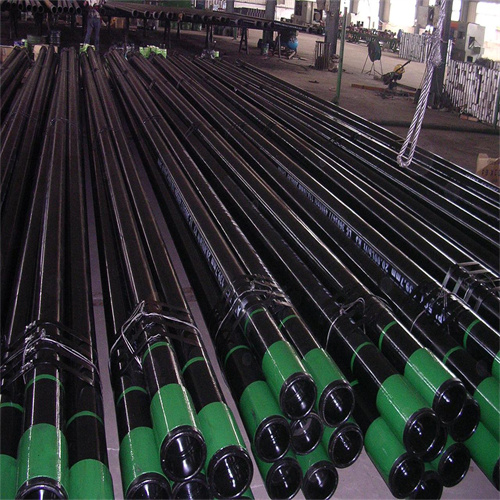
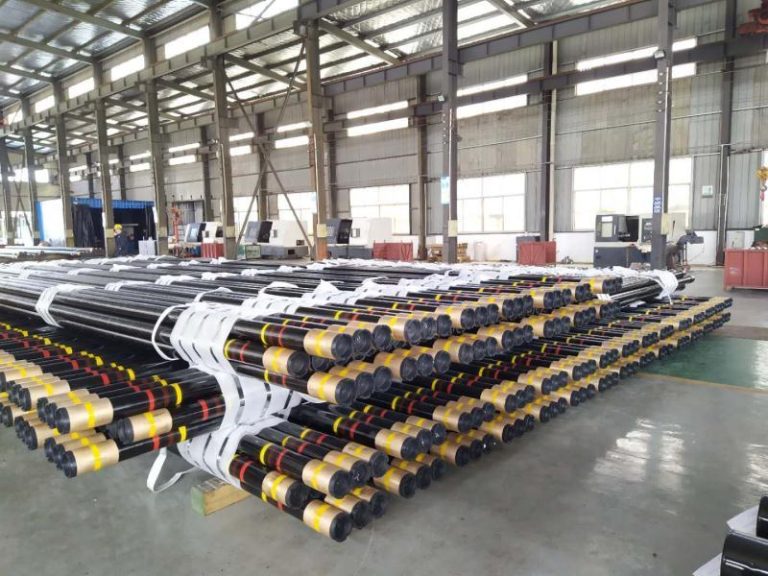
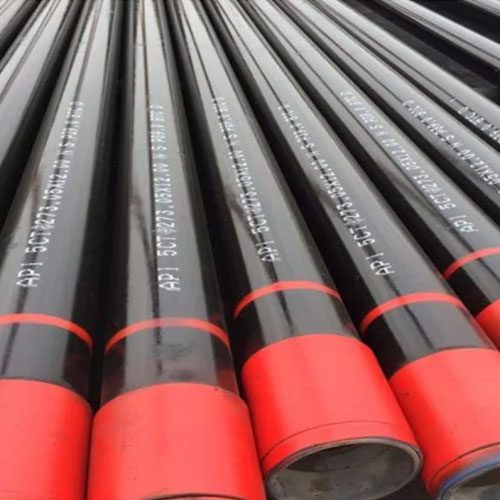
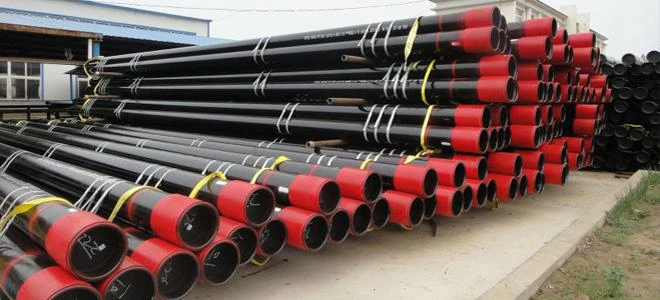
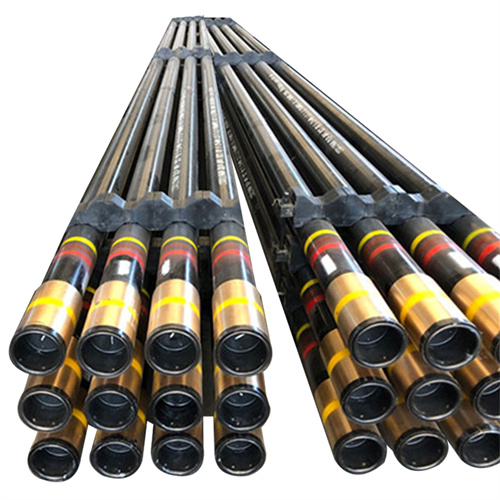
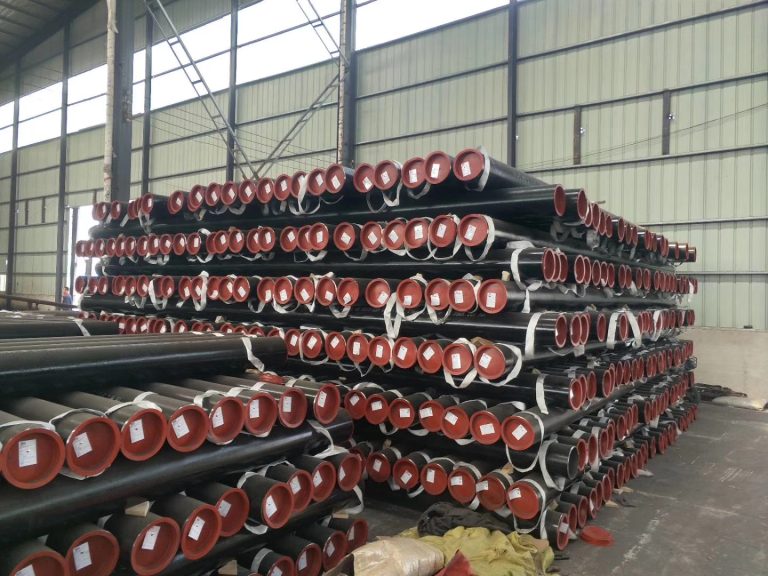
Casing Pipe,casing well pipe, casing supreme pipe, casing vs carrier pipe, casing for ac pipe, casing Steel Pipe, casing pipe size, casing pvc pipe Price, casing pipe, casing pipe Suppliers in china, casing capping pipe, casing drill pipe,carrier pipe,casing pipe size,bushing flange,bushing Sleeve,bushing,bushing arm,bushing bearing,bushing reducer,bushing tool,bushing pvc,bushing meaningThe weight of a pipe is largely determined by its Material composition, size, and Wall thickness. Generally, Pipes are manufactured from materials like plastic, copper, iron, steel, and even concrete, each with its own unique weight properties. For instance, steel pipes, due to their robust nature, are considerably heavier than their plastic counterparts. The selection of pipe material is typically influenced by its intended application, cost, durability, and the weight capacity of the structure it’s to be embedded in.
Moving on to dimensions, pipes come in a wide array of sizes, measured as per their internal or external Diameters, and wall thickness. The wall thickness, often referred to as the schedule of the pipe, is a critical factor in determining the pipe’s pressure-bearing capacity. A higher schedule number indicates a thicker wall, thereby enhancing the pipe’s strength and pressure tolerance.
To relate weights and dimensions, let’s consider the example of steel pipes. Their weight is calculated by multiplying the volume of the pipe (considering its Length, external diameter, and wall thickness) by the density of steel. This calculation is vital in various aspects, such as transportation logistics, installation, and structural integrity assessments.
Delving deeper, it’s important to acknowledge that pipe weights and dimensions are not arbitrary. They are guided by international standards, such as tHose set by the American Society for Testing and Materials (ASTM), or the International Organization for Standardization (ISO). Adherence to these standards ensures uniformity, interoperability, and safety in the use of pipes across different sectors and geographies.
Moreover, understanding pipe weights and dimensions is not merely a technical necessity. It has significant practical implications too. For instance, in the realm of plumbing, selecting a pipe of inappropriate weight or dimensions could lead to issues such as leaks, pressure inefficiencies, or even structural damage. In contrast, a carefully chosen pipe, considering its weight and dimensions, can ensure optimal functionality, longevity, and safety of the system.
In conclusion, comprehending pipe weights and dimensions is an amalgamation of understanding material properties, recognizing the influence of size and thickness, and appreciating the importance of international standards. Whether you’re an engineer, a plumber, or a construction professional, getting to grips with these concepts will undoubtedly enhance the quality and safety of your work.
**The Impact of Pipe Weights and Dimensions on Industrial Applications**
The study of pipe weights and dimensions, while seemingly a niche concern, plays an integral role in the operation and efficiency of various industrial applications. It is through an understanding of these attributes that we can ensure the optimal execution of processes, from fluid transport to heat exchange.
Beginning with an exploration of pipe weights, it’s essential to recognize that they directly influence the transportability and installation process. Heavier pipes require more effort and resources to move and fit into the desired place, and this can be a crucial factor in project planning and cost estimation. Additionally, the weight of a pipe can impact the structural integrity of a system. A pipe system composed of lighter pipes may require additional support structures, while heavier pipes can withstand more significant loads.
Conversely, the weight of a pipe can also be an indication of its durability and longevity. Generally, a heavier pipe suggests a greater thickness of material, which may translate to improved resistance against pressure, corrosion, and wear. Thus, in industries where high-strength materials are necessary, such as in Oil and Gas or chemical processing, heavier pipes might be the preferred choice.
Shifting our focus to pipe dimensions, it’s clear that they are critical in determining the capacity and flow rate of a pipe system. A system’s effectiveness at transporting fluids hinges upon the appropriate matching of pipe size to the volume and velocity of the fluid. For example, selecting a pipe with too small a diameter for a high-flow application could result in increased pressure, potentially leading to pipe damage or failure.
Moreover, pipe dimensions also play a role in the functionality and compatibility of a system. For instance, when integrating new components into an existing pipeline, it is vital to ensure the dimensions of the new parts align with the old. Failure to do so can result in leaks, inefficiencies, and potential system breakdown.
Glass BottleIn essence, the impact of pipe weights and dimensions on industrial applications cannot be overstated. From determining transport and installation procedures to influencing system longevity and efficiency, these attributes form the backbone of successful industrial operations. Therefore, a comprehensive understanding of these factors is crucial for any industry reliant on pipe systems.
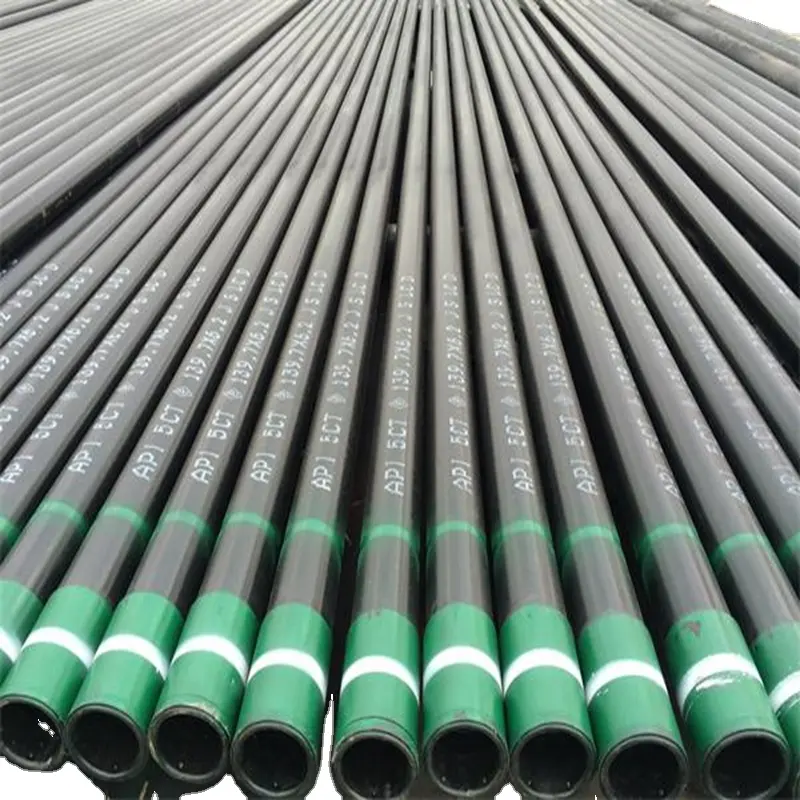
In conclusion, understanding pipe weights and dimensions is not merely a technical requirement; it is a cornerstone of effective industrial design and operation. By acknowledging their importance and incorporating this knowledge into system planning and Maintenance, industries can optimize their processes, minimize potential risks, and ultimately, achieve their operational goals with greater efficiency and reliability.