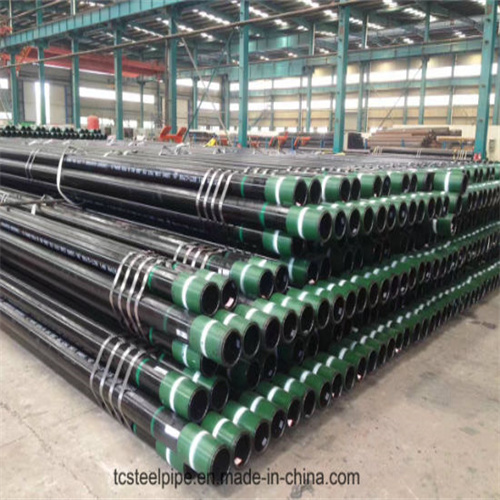
Avantages de l’utilisation de matériaux de cuvelage d’huile de haute qualité
Facteurs à prendre en compte lors de la sélection des matériaux du carter d’huile
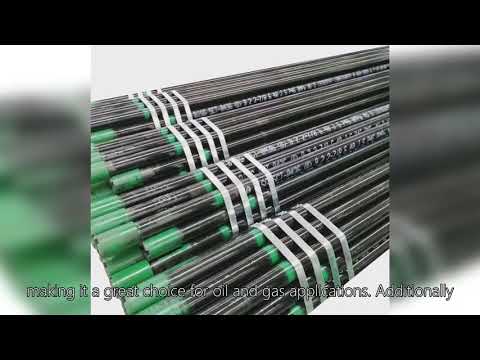
Les matériaux de tubage pétrolier jouent un rôle crucial dans le succès et la longévité des opérations de forage pétrolier. La sélection du bon matériau de tubage est essentielle pour garantir l’intégrité du puits et éviter tout problème potentiel pouvant survenir pendant le processus de forage. Lorsque l’on considère les facteurs qui influencent le choix des matériaux de tubage pétrolier, plusieurs caractéristiques clés entrent en jeu.
API 5ct C90 Casing Meilleurs grossistes en ChineL’une des principales considérations lors de la sélection des matériaux de tubage pétrolier est la corrosivité de l’environnement dans lequel le puits sera en fonctionnement. Différents types de matériaux de boîtier offrent différents niveaux de résistance à la corrosion, certains matériaux étant plus adaptés que d’autres aux environnements difficiles. Des facteurs tels que la présence de substances corrosives dans le fluide du puits et les conditions de température et de pression du puits doivent être pris en compte lors du choix du matériau de tubage approprié.
Un autre facteur important à considérer est les propriétés mécaniques du matériau de tubage. Le matériau doit être capable de résister aux contraintes et aux pressions exercées sur lui pendant le processus de forage, ainsi qu’à tout changement potentiel de température et de pression pouvant survenir au cours de la durée de vie du puits. La résistance à la traction, la limite d’élasticité et la ductilité du matériau sont tous des facteurs critiques à prendre en compte lors de l’évaluation de son aptitude à être utilisé comme matériau de tubage.
En plus de la résistance à la corrosion et des propriétés mécaniques, le coût du matériau de tubage est également un facteur important à prendre en compte. . S’il est important de sélectionner un matériau qui répond aux exigences de performance nécessaires, il est tout aussi important de choisir un matériau rentable et conforme au budget global du projet de forage. Il est essentiel d’équilibrer les performances et les coûts pour garantir la viabilité économique de l’opération de forage.
De plus, la disponibilité du matériau de tubage doit être prise en compte lors de la sélection. Certains matériaux peuvent être plus facilement disponibles que d’autres, ce qui peut avoir un impact sur le délai d’acquisition des matériaux nécessaires et potentiellement retarder le processus de forage. S’assurer que le matériau choisi est facilement accessible et peut être obtenu en temps opportun est essentiel au fonctionnement efficace du projet de forage.
Enfin, la compatibilité du matériau de tubage avec les autres composants du puits doit être prise en compte. Le matériau doit être capable de fonctionner efficacement avec d’autres composants tels que le ciment, les fluides de forage et l’équipement de complétion pour assurer le succès global du puits. Les problèmes de compatibilité peuvent entraîner des défis opérationnels et potentiellement compromettre l’intégrité du puits, ce qui rend essentiel la sélection d’un matériau de tubage compatible avec l’ensemble du système de puits.
En conclusion, la sélection appropriée des matériaux de tubage pétrolier est un aspect essentiel de assurer le succès des opérations de forage pétrolier. En prenant en compte des facteurs tels que la résistance à la corrosion, les propriétés mécaniques, le coût, la disponibilité et la compatibilité, les opérateurs de forage peuvent choisir le matériau le plus adapté à leurs besoins spécifiques. Prendre le temps d’évaluer ces facteurs et de prendre une décision éclairée peut aider à prévenir les problèmes et à garantir l’intégrité et l’efficacité à long terme du puits.
In conclusion, the benefits of using high-quality Oil Casing Materials are numerous and significant. From enhanced Corrosion resistance and mechanical strength to improved Sealing and cost savings, quality materials play a critical role in ensuring the integrity, safety, and efficiency of Oil and Gas wells. By carefully selecting materials with the proper traits and characteristics, operators can optimize well performance, minimize risks, and achieve long-term success in the industry.
Factors to Consider When Selecting Oil Casing Materials
Oil casing materials play a crucial role in the success and longevity of oil drilling operations. The selection of the right casing material is essential to ensure the integrity of the well and to prevent any potential issues that could arise during the drilling process. When considering the factors that influence the choice of oil casing materials, several key traits come into play.
API 5CT C90 CASING Best china wholesalersOne of the primary considerations when selecting oil casing materials is the corrosiveness of the environment in which the well will be operating. Different types of casing materials offer varying levels of resistance to corrosion, with some materials being more suitable for harsh environments than others. Factors such as the presence of corrosive substances in the well fluid and the temperature and pressure conditions of the well must be taken into account when choosing the appropriate casing material.
Another important factor to consider is the mechanical properties of the casing material. The material must be able to withstand the stresses and pressures exerted on it during the drilling process, as well as any potential changes in temperature and pressure that may occur over the lifetime of the well. The tensile strength, yield strength, and ductility of the material are all critical factors to consider when evaluating its suitability for use as casing material.
In addition to corrosion resistance and mechanical properties, the cost of the casing material is also a significant consideration. While it is important to select a material that meets the necessary performance requirements, it is equally important to choose a material that is cost-effective and aligns with the overall budget of the drilling project. Balancing performance with cost is essential to ensure the economic viability of the drilling operation.
Furthermore, the availability of the casing material must be taken into account when making a selection. Some materials may be more readily available than others, which can impact the lead time for acquiring the necessary materials and potentially delay the drilling process. Ensuring that the cHosen material is readily accessible and can be obtained in a timely manner is essential to the efficient operation of the drilling project.
Lastly, the compatibility of the casing material with other components of the well must be considered. The material must be able to work effectively with other components such as cement, drilling fluids, and completion equipment to ensure the overall success of the well. Compatibility issues can lead to operational challenges and potentially compromise the integrity of the well, making it essential to select a casing material that is compatible with the entire well system.
In conclusion, the proper selection of oil casing materials is a critical aspect of ensuring the success of oil drilling operations. By considering factors such as corrosion resistance, mechanical properties, cost, availability, and compatibility, drilling operators can choose the most suitable material for their specific needs. Taking the time to evaluate these factors and make an informed decision can help prevent issues and ensure the long-term integrity and efficiency of the well.