Gestion améliorée des données
En outre, la mise en œuvre de mesures de cybersécurité robustes est un aspect essentiel de l’amélioration de la gestion des données dans le contexte de la transformation numérique. Alors que les entreprises s’appuient de plus en plus sur des outils et plateformes numériques, le risque de cybermenaces augmente également. Par conséquent, investir dans des protocoles de cybersécurité est essentiel pour protéger les données sensibles et maintenir l’intégrité des opérations. En garantissant la sécurité des systèmes de gestion des données, les entreprises peuvent protéger leurs actifs et maintenir la confiance des parties prenantes.
En conclusion, la transformation numérique des carters pétroliers remodèle fondamentalement les pratiques de gestion des données au sein du secteur. En automatisant la collecte et l’analyse des données, en renforçant la collaboration, en améliorant la visualisation des données, en tirant parti de l’IA et du ML et en donnant la priorité à la cybersécurité, les entreprises sont mieux équipées pour faire face aux complexités des opérations pétrolières et gazières modernes. Cette transformation favorise non seulement l’efficacité et la sécurité, mais permet également aux organisations de prospérer dans un paysage de plus en plus concurrentiel. À mesure que le secteur contiNue d’évoluer, l’importance d’une gestion efficace des données ne fera que croître, soulignant la nécessité d’investir continuellement dans les technologies numériques.

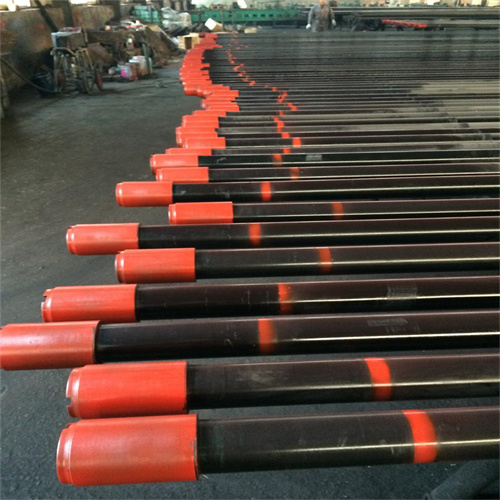
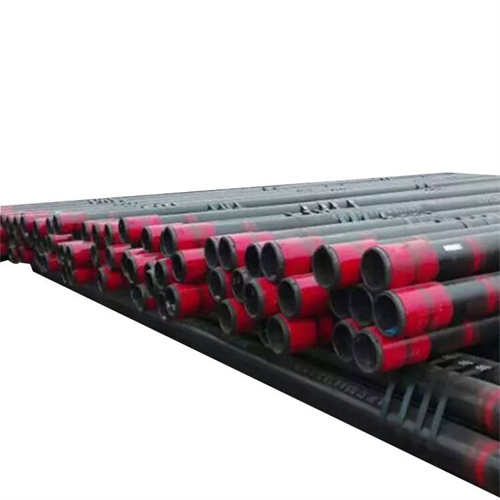
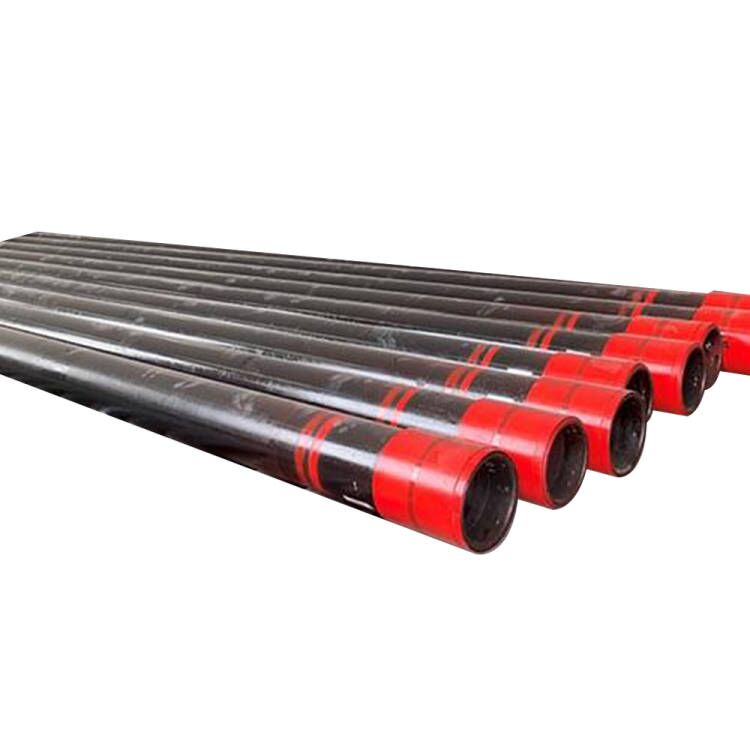
API 5ct l80 Casing Best china MakerOne of the primary functions of digital transformation in Oil Casing is the ability to collect and analyze vast amounts of data generated throughout the lifecycle of Oil Wells. Traditionally, data management in this sector has been cumbersome, often relying on manual processes that are prone to errors and inefficiencies. However, with the advent of digital technologies, Companies can now utilize sophisticated data management systems that automate the collection, storage, and analysis of data. This automation not only reduces the likelihood of human error but also accelerates the data processing timeline, allowing for real-time insights that are crucial for timely decision-making.
Moreover, enhanced data management through digital transformation facilitates improved collaboration among various stakeholders in the Oil and Gas sector. By utilizing cloud-based platforms and digital dashboards, teams can access and share critical information seamlessly, regardless of their geographical location. This interconnectedness fosters a culture of collaboration, enabling engineers, geologists, and management teams to work together more effectively. As a result, the decision-making process becomes more informed and agile, ultimately leading to better operational outcomes.
In addition to improving collaboration, digital transformation also enhances data visualization capabilities. Advanced analytics tools and visualization software allow companies to present complex data in a more digestible format, making it easier for stakeholders to understand trends, patterns, and anomalies. This capability is particularly valuable in the oil casing sector, where data can be multifaceted and voluminous. By transforming raw data into visual representations, companies can quickly identify areas that require attention, such as potential equipment failures or inefficiencies in drilling operations. Consequently, this proactive approach to data management not only mitigates risks but also drives continuous improvement initiatives.
Furthermore, the integration of artificial intelligence (AI) and machine learning (ML) into data management systems has revolutionized the way oil casing operations are monitored and optimized. These technologies can analyze historical data to predict future outcomes, enabling companies to make data-driven decisions that enhance operational efficiency. For instance, predictive Maintenance powered by AI can forecast equipment failures before they occur, allowing for timely interventions that minimize downtime and reduce maintenance costs. This shift from reactive to proactive maintenance strategies exemplifies how digital transformation is reshaping the landscape of oil casing operations.
Additionally, the implementation of robust cybersecurity measures is a critical aspect of enhanced data management in the context of digital transformation. As companies increasingly rely on digital tools and platforms, the risk of cyber threats also escalates. Therefore, investing in cybersecurity protocols is essential to protect sensitive data and maintain the integrity of operations. By ensuring that data management systems are secure, companies can safeguard their assets and maintain stakeholder trust.
In conclusion, the digital transformation of oil casing is fundamentally reshaping data management practices within the industry. By automating data collection and analysis, enhancing collaboration, improving data visualization, leveraging AI and ML, and prioritizing cybersecurity, companies are better equipped to navigate the complexities of modern oil and gas operations. This transformation not only drives efficiency and safety but also positions organizations to thrive in an increasingly competitive landscape. As the industry continues to evolve, the importance of effective data management will only grow, underscoring the need for ongoing investment in digital technologies.