**Comprendre les différents types de carters pétroliers : un aperçu complet**
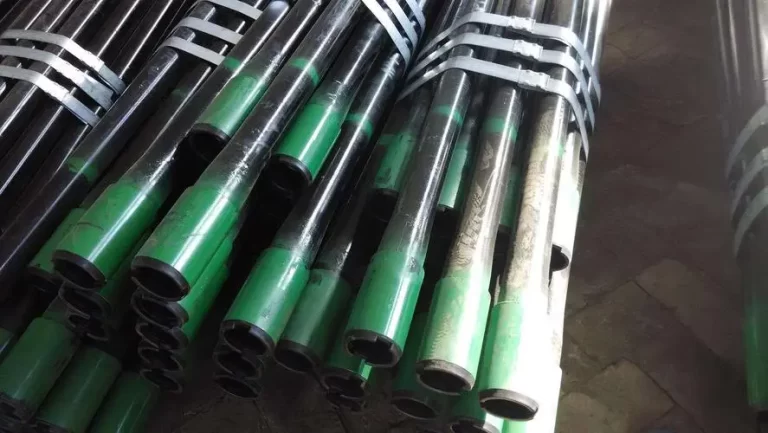
tuyau de Construction en acier
**Facteurs clés à prendre en compte lors du choix du carter d’huile approprié pour votre projet**
De plus, la conformité réglementaire et les normes industrielles ne peuvent être négligées lors de la sélection du carter d’huile. Différentes régions ont des réglementations spécifiques régissant les matériaux et les méthodes utilisés dans les opérations de forage pétrolier. Le respect de ces réglementations n’est pas seulement une exigence légale mais aussi une bonne pratique qui garantit la sécurité et l’intégrité environnementale du projet. Par conséquent, il est conseillé de se familiariser avec les réglementations locales et les normes industrielles avant de prendre une décision finale sur la sélection du boîtier.
Enfin, les considérations de coût sont toujours un facteur dans tout projet. Même s’il peut être tentant d’opter pour l’option la moins coûteuse, il est crucial de peser les implications à long terme d’une telle décision. Investir dans un boîtier de haute qualité peut entraîner des coûts initiaux plus élevés, mais peut conduire à des économies significatives à long terme en réduisant le risque de pannes, de fuites et les coûts de réparation associés. Par conséquent, une approche équilibrée qui prend en compte à la fois les coûts initiaux et les avantages à long terme est essentielle pour prendre une décision éclairée.
En conclusion, la sélection du bon tubage pétrolier pour un projet de forage est une décision à multiples facettes qui nécessite un examen attentif de divers facteurs, notamment conditions géologiques, types de fluides, profondeur du puits, conformité réglementaire et coût. En évaluant minutieusement ces éléments, les chefs de projet peuvent faire des choix éclairés qui non seulement améliorent la sécurité et l’efficacité des opérations de forage, mais contribuent également au succès global du projet. En fin de compte, la clé pour choisir le bon carter d’huile réside dans une compréhension globale des défis et des exigences uniques de chaque projet spécifique.
**Key Factors To Consider When Choosing The Right Oil Casing For Your Project**
When embarking on an oil drilling project, one of the most critical decisions that engineers and project managers face is the selection of the appropriate oil casing. The casing serves as a protective lining for the wellbore, ensuring the structural integrity of the well and preventing the contamination of groundwater. Given the diverse types of oil casing available, understanding the key factors that influence the selection process is essential for the success of any drilling operation.
First and foremost, the geological conditions of the drilling site play a pivotal role in determining the type of casing required. Different formations present unique challenges, such as varying pressures, temperatures, and the presence of corrosive elements. For instance, in areas where high-pressure formations are encountered, a thicker casing may be necessary to withstand the forces exerted during drilling and production. Conversely, in more stable geological formations, a lighter casing may suffice. Therefore, conducting a thorough geological survey prior to making a casing selection is imperative, as it provides valuable insights into the specific requirements of the project.
In addition to geological considerations, the type of fluid being extracted also influences the choice of casing. Oil and Gas wells often encounter a range of fluids, including water, oil, and gas, each of which can have different corrosive properties. For example, wells that produce sour gas, which contains hydrogen sulfide, require casings made from Materials that can resist corrosion and degradation. This necessitates the use of specialized alloys or coatings that can withstand the harsh conditions associated with such fluids. Thus, understanding the chemical composition of the fluids involved is crucial in selecting a casing that will ensure the longevity and safety of the well.
Another significant factor to consider is the depth of the well. As the depth increases, so do the challenges associated with casing selection. Deeper wells experience higher temperatures and pressures, which can affect the performance of the casing material. In such cases, it is essential to choose casings that are not only robust but also designed to handle the thermal expansion and contraction that occurs at great depths. Additionally, the installation process becomes more complex with increased depth, necessitating careful planning and execution to avoid complications during the drilling process.
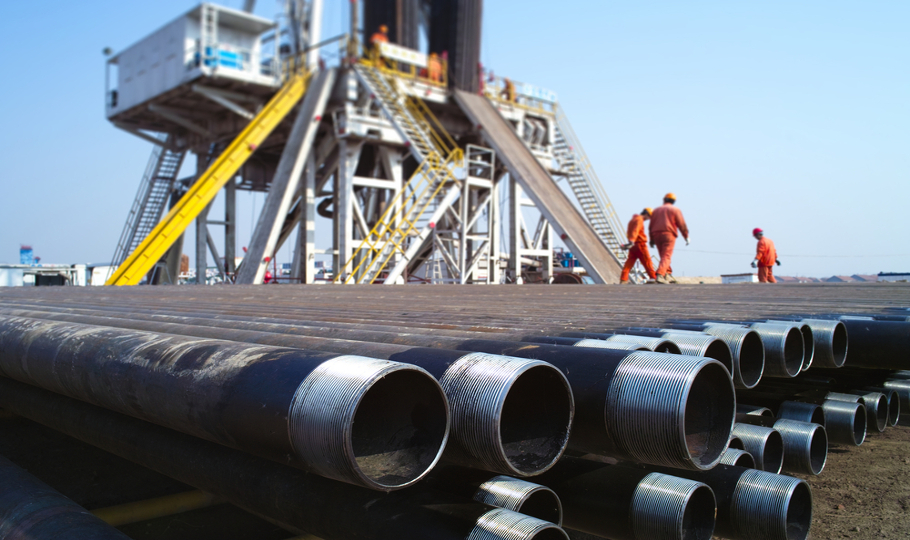 Furthermore, regulatory compliance and industry standards cannot be overlooked when selecting oil casing. Different regions have specific regulations governing the materials and methods used in oil drilling operations. Adhering to these regulations is not only a legal requirement but also a best practice that ensures the safety and environmental integrity of the project. Therefore, it is advisable to familiarize oneself with local regulations and industry standards before making a final decision on casing selection.
Lastly, cost considerations are always a factor in any project. While it may be tempting to opt for the least expensive option, it is crucial to weigh the long-term implications of such a decision. Investing in high-quality casing may incur higher upfront costs but can lead to significant savings in the long run by reducing the risk of failures, leaks, and the associated costs of remediation. Therefore, a balanced approach that considers both initial costs and long-term benefits is essential in making an informed decision.
In conclusion, selecting the right oil casing for a drilling project is a multifaceted decision that requires careful consideration of various factors, including geological conditions, fluid types, well depth, regulatory compliance, and cost. By thoroughly evaluating these elements, project managers can make informed choices that not only enhance the safety and efficiency of the drilling operation but also contribute to the overall success of the project. Ultimately, the key to choosing the right oil casing lies in a comprehensive understanding of the unique challenges and requirements of each specific project.