Avantages d’un carter d’huile de haute qualité pour prévenir les fuites
Comment des techniques d’installation appropriées réduisent les risques de fuite du boîtier
Lors de l’installation, la précision est la clé. Les colonnes de tubage doivent être manipulées et introduites dans le puits de forage avec soin pour éviter d’endommager le tubage lui-même ou les parois du puits de forage. Des mesures strictes de contrôle de qualité garantissent que chaque joint du boîtier est inspecté pour déceler tout défaut susceptible de compromettre son intégrité. Les soudures, les connexions et les filetages doivent répondre à des normes rigoureuses pour minimiser le risque de fuites dans des conditions de haute pression en profondeur dans la terre.
La cimentation joue un rôle central dans la fixation du tubage en place et l’étanchéité de l’espace annulaire\— entre le tubage. et les murs du puits de forage. Des techniques de conception et de mise en place appropriées du coulis de ciment sont essentielles pour obtenir une liaison durable entre le tubage et la formation environnante. Les ingénieurs calculent le volume, la densité et la rhéologie du coulis de ciment pour garantir un déplacement et une liaison adéquats tout en tenant compte des températures et des pressions de fond.
Des procédures de test rigoureuses après l’installation vérifient l’intégrité du tubage et du travail de ciment. Les tests de pression évaluent la capacité du boîtier à résister aux pressions internes, garantissant ainsi l’absence de points faibles ou de fuites. De plus, les journaux d’évaluation du ciment fournissent un aperçu de la qualité de la liaison du ciment et identifient les zones de fuite potentielle.
affaires judiciaires liées aux déversements d’hydrocarbures
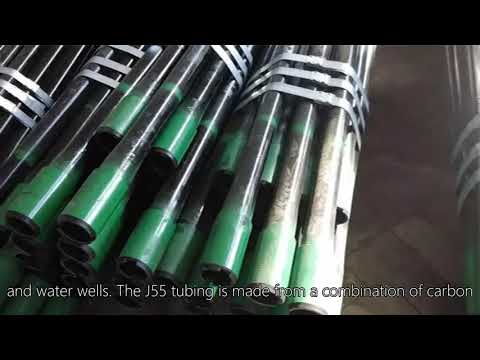 innovations dans la technologie des boîtiers d’huile pour améliorer la résistance aux fuites
En conclusion, les progrès dans la technologie des tubages pétroliers représentent un pas en avant significatif dans l’atténuation des problèmes de fuites de tubages dans les puits de pétrole et de gaz. Des alliages résistants à la corrosion aux systèmes de surveillance avancés, ces innovations soulignent les efforts continus de l’industrie pour améliorer la résistance aux fuites, améliorer l’efficacité opérationnelle et garantir la gestion de l’environnement. En adoptant ces innovations et ces meilleures pratiques, l’industrie pétrolière et gazière peut contiNuer à répondre à la demande énergétique mondiale de manière responsable tout en minimisant l’empreinte environnementale des activités d’extraction pétrolière.
Advancements in technology have revolutionized Casing integrity management. Innovative tools such as electromagnetic casing inspection tools and acoustic cement evaluation devices enable operators to assess casing and cement quality without the need for costly and time-consuming interventions. Real-time data acquisition and analysis empower decision-Makers to identify potential issues early and implement corrective measures promptly.
Beyond technological advancements, training and competency development are essential components of reducing casing Leakage risks. Operators undergo rigorous training programs to familiarize themselves with the latest installation techniques, equipment, and safety protocols. Well-site supervisors play a crucial role in overseeing operations and ensuring compliance with best practices to minimize human error and procedural deviations.
Environmental stewardship is increasingly sh APIng casing installation practices. Regulatory requirements and industry initiatives emphasize sustainable development practices that prioritize environmental protection and community engagement. Casing design considerations now include provisions for mitigating greenhouse Gas emissions, reducing water usage, and preventing sOil contamination.
Effective communication and collaboration among stakeholders\—engineers, operators, regulators, and communities\—are integral to achieving casing installation excellence. Regular audits, peer reviews, and knowledge sharing forums foster a culture of continuous improvement and innovation in casing integrity management.
In conclusion, the prevention of casing leakage in Oil and Gas wells hinges on meticulous planning, precise execution, and ongoing vigilance. By adhering to proper installation techniques, leveraging technological innovations, and promoting a culture of safety and environmental responsibility, operators can mitigate risks, enhance operational efficiency, and safeguard the integrity of Oil Casing installations. As the industry evolves, so too must our commitment to excellence in casing integrity management to ensure sustainable energy development for future generations.
Innovations in Oil Casing Technology to Enhance Leak Resistance
Innovations in Oil Casing Technology to Enhance Leak Resistance
Oil casing integrity is crucial for the safe and efficient extraction of oil and gas resources. Any compromise in casing integrity, such as leaks, can lead to significant environmental risks, operational inefficiencies, and economic losses. Over the years, the oil and gas industry has continually sought innovations to address casing leakage issues effectively. One notable advancement that has garnered attention is the development of advanced oil casing technology designed specifically to enhance leak resistance.
Traditionally, casing leaks have been a persistent challenge due to factors such as corrosion, mechanical damage, and Cementing issues during well Construction. These leaks not only pose environmental risks by allowing oil or gas to escape into surrounding formations or the environment but also undermine operational efficiency by necessitating costly remediation efforts. Recognizing these challenges, engineers and researchers have focused on developing new Materials and construction techniques to bolster casing integrity.
One of the key innovations in this field is the utilization of corrosion-resistant alloys (CRAs) in oil casing manufacturing. CRAs offer superior resistance to corrosion compared to traditional Carbon Steels, which are more susceptible to degradation in the harsh downhole environments where oil and gas wells operate. By incorporating CRAs into casing designs, operators can significantly extend the lifespan of wells and mitigate the risk of leaks caused by corrosion.
Furthermore, advancements in welding and manufacturing technologies have enabled the production of casing joints with tighter Seals and greater structural integrity. Precision welding techniques, such as laser welding and electron beam welding, ensure that casing joints are robust and leak-resistant. These technologies minimize the likelihood of weld defects that could compromise the integrity of the casing system over time.
In addition to material and manufacturing innovations, improvements in cementing practices have also played a crucial role in enhancing casing leak resistance. Proper cement placement and quality control during well construction are essential for achieving effective zonal isolation and preventing fluid migration between different geological formations. Innovations in cement additives and placement techniques allow operators to optimize cementing operations and minimize the risk of casing leaks due to inadequate zonal isolation.
Another promising development in oil casing technology is the integration of advanced monitoring systems that provide real-time data on casing integrity. These systems utilize sensors and data analytics to detect potential leaks or integrity issues early, allowing operators to take proactive measures before leaks escalate into more significant problems. Real-time monitoring not only enhances safety and environmental stewardship but also improves operational efficiency by reducing downtime associated with casing remediation activities.
Moreover, the adoption of standardized testing protocols and rigorous quality assurance measures ensures that oil casing products meet stringent performance standards. Industry certifications and regulatory frameworks mandate adherence to specific guidelines regarding casing design, manufacturing, and installation practices to mitigate the risk of casing leaks and ensure overall well integrity.
As the oil and gas industry continues to evolve, so too will innovations in oil casing technology aimed at enhancing leak resistance and overall well integrity. By investing in research and development, collaborating with industry partners, and leveraging technological advancements, operators can further improve the reliability and performance of oil casing systems. Ultimately, these innovations not only contribute to safer and more sustainable oil and gas operations but also support the industry’s commitment to environmental protection and operational excellence.
https://youtube.com/watch?v=mlDSyUP5RK0
In conclusion, advancements in oil casing technology represent a significant step forward in mitigating casing leakage troubles in oil and gas wells. From corrosion-resistant alloys to advanced monitoring systems, these innovations underscore the industry’s ongoing efforts to enhance leak resistance, improve operational efficiencies, and ensure environmental stewardship. By embracing these innovations and best practices, the oil and gas industry can continue to meet global energy demands responsibly while minimizing the environmental footprint of oil extraction activities.