Faida za Mfuko wa Ubora wa Mafuta katika Kuzuia Uvujaji
Jinsi Mbinu Sahihi za Usakinishaji Zinapunguza Hatari za Uvujaji wa Casing
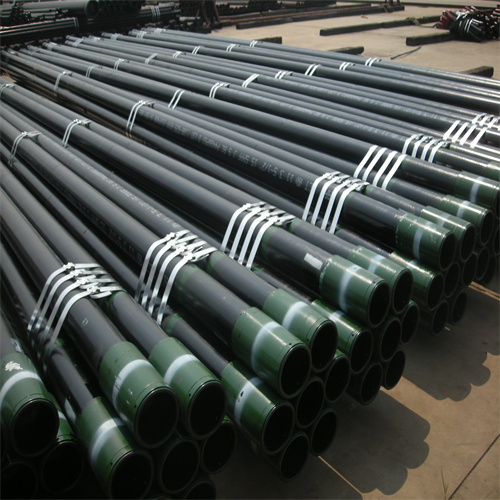
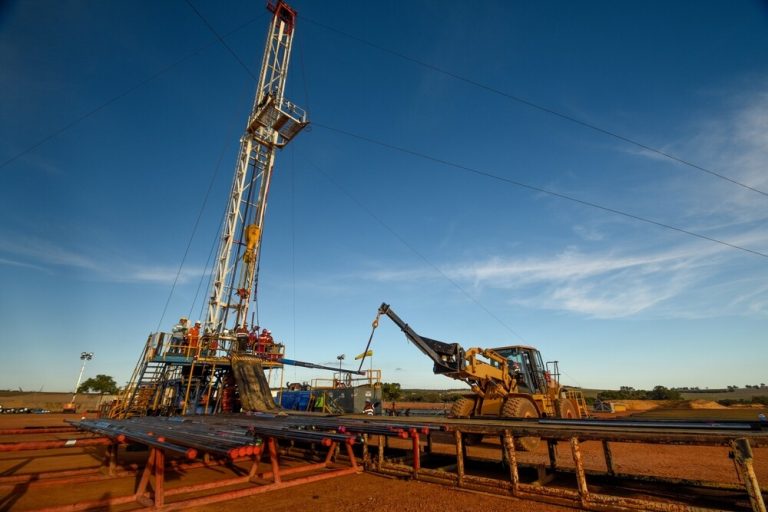
Wakati wa usakinishaji, usahihi ni muhimu. Kamba za casing lazima zishughulikiwe na kuingizwa kwenye kisima kwa uangalifu ili kuzuia uharibifu wa casing yenyewe au kuta za kisima. Hatua kali za udhibiti wa ubora huhakikisha kwamba kila kiungo cha kasha kinakaguliwa ili kubaini kasoro zinazoweza kuhatarisha uadilifu wake. Welds, miunganisho, na nyuzi lazima zifikie viwango vya ukali ili kupunguza hatari ya uvujaji chini ya hali ya shinikizo la juu ndani ya dunia.
Kuweka saruji kuna jukumu muhimu katika kuweka casing mahali pake na kuziba Annulus— nafasi kati ya casing na kuta za kisima. Usanifu sahihi wa tope la saruji na mbinu za uwekaji ni muhimu ili kufikia dhamana ya kudumu kati ya casing na uundaji unaozunguka. Wahandisi hukokotoa kiasi, msongamano na rheolojia ya tope la saruji ili kuhakikisha uhamishaji wa kutosha na mshikamano wakati wa kuhesabu viwango vya joto na shinikizo la chini.
Baada ya usakinishaji, taratibu za majaribio makali huthibitisha uadilifu wa kazi ya kabati na saruji. Jaribio la shinikizo hutathmini uwezo wa casing kuhimili shinikizo la ndani, kuhakikisha kuwa hakuna sehemu dhaifu au uvujaji. Zaidi ya hayo, kumbukumbu za tathmini ya saruji hutoa maarifa kuhusu ubora wa dhamana ya saruji na kutambua maeneo yoyote ya uwezekano wa kuvuja.
kesi za kumwagika kwa mafuta mahakamani
 Ubunifu katika Teknolojia ya Kuweka Mfuko wa Mafuta ili Kuimarisha Ustahimilivu wa Uvujaji
Kwa kumalizia, maendeleo katika teknolojia ya kuweka kabati ya mafuta yanawakilisha hatua kubwa mbele katika kupunguza matatizo ya uvujaji wa casing katika visima vya mafuta na gesi. Kuanzia aloi zinazostahimili kutu hadi mifumo ya hali ya juu ya ufuatiliaji, uvumbuzi huu unasisitiza juhudi zinazoendelea za tasnia ili kuongeza upinzani wa uvujaji, kuboresha utendakazi, na kuhakikisha utunzaji wa mazingira. Kwa kukumbatia ubunifu huu na mbinu bora, sekta ya mafuta na gesi inaweza kuendelea kukidhi mahitaji ya nishati duniani kwa kuwajibika huku ikipunguza kiwango cha mazingira cha shughuli za uchimbaji mafuta.
Advancements in technology have revolutionized casing integrity management. Innovative tools such as electromagnetic casing inspection tools and acoustic cement evaluation devices enable operators to assess casing and cement quality without the need for costly and time-consuming interventions. Real-time data acquisition and analysis empower decision-Makers to identify potential issues early and implement corrective measures promptly.
Beyond technological advancements, training and competency development are essential components of reducing casing Leakage risks. Operators undergo rigorous training programs to familiarize themselves with the latest installation techniques, equipment, and safety protocols. Well-site supervisors play a crucial role in overseeing operations and ensuring compliance with best practices to minimize human error and procedural deviations.
Environmental stewardship is increasingly sh APIng casing installation practices. Regulatory requirements and industry initiatives emphasize sustainable development practices that prioritize environmental protection and community engagement. Casing design considerations now include provisions for mitigating greenhouse Gas emissions, reducing water usage, and preventing sOil contamination.
Effective communication and collaboration among stakeholders—engineers, operators, regulators, and communities—are integral to achieving casing installation excellence. Regular audits, peer reviews, and knowledge sharing forums foster a culture of continuous improvement and innovation in casing integrity management.
In conclusion, the prevention of casing leakage in Oil and Gas wells hinges on meticulous planning, precise execution, and ongoing vigilance. By adhering to proper installation techniques, leveraging technological innovations, and promoting a culture of safety and environmental responsibility, operators can mitigate risks, enhance operational efficiency, and safeguard the integrity of Oil Casing installations. As the industry evolves, so too must our commitment to excellence in casing integrity management to ensure sustainable energy development for future generations.
Innovations in Oil Casing Technology to Enhance Leak Resistance
Innovations in Oil Casing Technology to Enhance Leak Resistance
Oil casing integrity is crucial for the safe and efficient extraction of oil and gas resources. Any compromise in casing integrity, such as leaks, can lead to significant environmental risks, operational inefficiencies, and economic losses. Over the years, the oil and gas industry has continually sought innovations to address casing leakage issues effectively. One notable advancement that has garnered attention is the development of advanced oil casing technology designed specifically to enhance leak resistance.
Traditionally, casing leaks have been a persistent challenge due to factors such as corrosion, mechanical damage, and Cementing issues during well Construction. These leaks not only pose environmental risks by allowing oil or gas to escape into surrounding formations or the environment but also undermine operational efficiency by necessitating costly remediation efforts. Recognizing these challenges, engineers and researchers have focused on developing new Materials and construction techniques to bolster casing integrity.
One of the key innovations in this field is the utilization of corrosion-resistant alloys (CRAs) in oil casing manufacturing. CRAs offer superior resistance to corrosion compared to traditional Carbon Steels, which are more susceptible to degradation in the harsh downhole environments where oil and gas wells operate. By incorporating CRAs into casing designs, operators can significantly extend the lifespan of wells and mitigate the risk of leaks caused by corrosion.
Furthermore, advancements in welding and manufacturing technologies have enabled the production of casing joints with tighter Seals and greater structural integrity. Precision welding techniques, such as laser welding and electron beam welding, ensure that casing joints are robust and leak-resistant. These technologies minimize the likelihood of weld defects that could compromise the integrity of the casing system over time.
In addition to material and manufacturing innovations, improvements in cementing practices have also played a crucial role in enhancing casing leak resistance. Proper cement placement and quality control during well construction are essential for achieving effective zonal isolation and preventing fluid migration between different geological formations. Innovations in cement additives and placement techniques allow operators to optimize cementing operations and minimize the risk of casing leaks due to inadequate zonal isolation.
Another promising development in oil casing technology is the integration of advanced monitoring systems that provide real-time data on casing integrity. These systems utilize sensors and data analytics to detect potential leaks or integrity issues early, allowing operators to take proactive measures before leaks escalate into more significant problems. Real-time monitoring not only enhances safety and environmental stewardship but also improves operational efficiency by reducing downtime associated with casing remediation activities.
Moreover, the adoption of standardized testing protocols and rigorous quality assurance measures ensures that oil casing products meet stringent performance standards. Industry certifications and regulatory frameworks mandate adherence to specific guidelines regarding casing design, manufacturing, and installation practices to mitigate the risk of casing leaks and ensure overall well integrity.
As the oil and gas industry contiNues to evolve, so too will innovations in oil casing technology aimed at enhancing leak resistance and overall well integrity. By investing in research and development, collaborating with industry partners, and leveraging technological advancements, operators can further improve the reliability and performance of oil casing systems. Ultimately, these innovations not only contribute to safer and more sustainable oil and gas operations but also support the industry’s commitment to environmental protection and operational excellence.
https://youtube.com/watch?v=mlDSyUP5RK0
In conclusion, advancements in oil casing technology represent a significant step forward in mitigating casing leakage troubles in oil and gas wells. From corrosion-resistant alloys to advanced monitoring systems, these innovations underscore the industry’s ongoing efforts to enhance leak resistance, improve operational efficiencies, and ensure environmental stewardship. By embracing these innovations and best practices, the oil and gas industry can continue to meet global energy demands responsibly while minimizing the environmental footprint of oil extraction activities.