Techniques innovantes dans l’étude de matériaux exceptionnels pour le tubage pétrolier
Examen exhaustif : Matériaux optimaux pour l’amélioration des enveloppes d’huile
Titre : Étude des matériaux exceptionnels pour le tubage pétrolier
Section : Examen exhaustif : Matériaux optimaux pour l’amélioration du tubage pétrolier
Le cœur de tout puits de pétrole fonctionnel est le tubage pétrolier, qui constitue une partie cruciale de son système de support structurel. Cet article présente un examen complet et approfondi des matériaux les plus viables utilisés dans la fabrication des carters d’huile.
Le principal matériau utilisé pour cette tâche est l’acier de différentes résistances et qualités. L’acier, un alliage de fer robuste et résistant, résiste admirablement aux intenses pressions souterraines subies dans les puits de pétrole. Il conserve une résistance élevée à la traction pendant une longue durée, prolongeant ainsi la durée de vie des puits de pétrole. Associées à sa résistance à la corrosion, en particulier à l’acier inoxydable, ces caractéristiques font de l’acier un excellent matériau de choix pour les tâches inquiétantes de l’extraction pétrolière.
Suivent de près l’acier par le fer, un autre matériau potentiel pour la Construction de carters pétroliers. L’un des avantages cruciaux du déploiement du fer est sa rentabilité. Étant l’un des éléments les plus abondants sur terre, l’accessibilité du fer et sa facilité d’utilisation en font une alternative intéressante pour les opérations soucieuses de leur budget. Cependant, le fer est moins durable que l’acier et, en tant que tel, il n’est peut-être pas le choix optimal pour les puits nécessitant un tubage robuste.
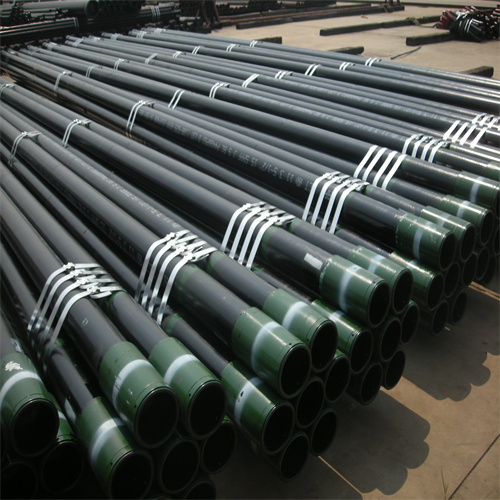
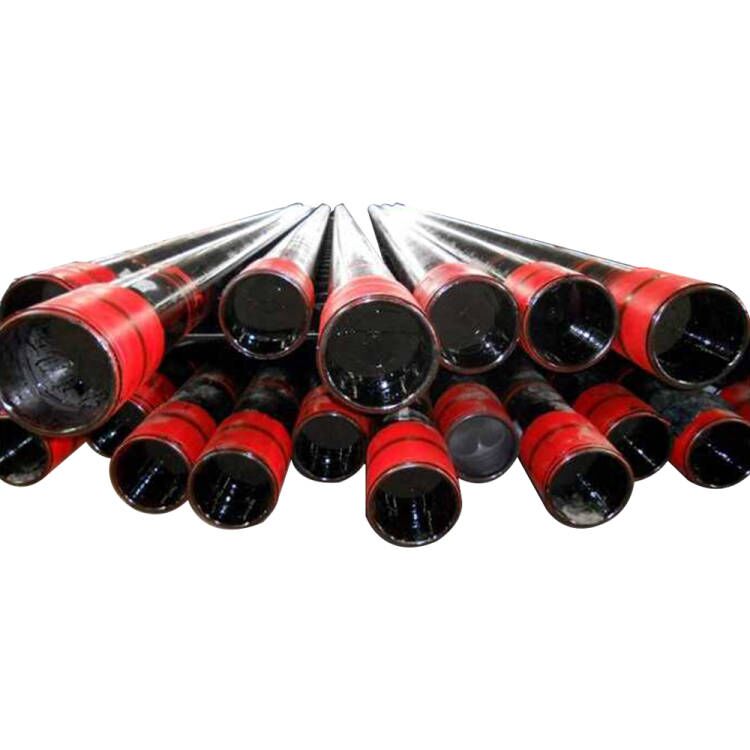
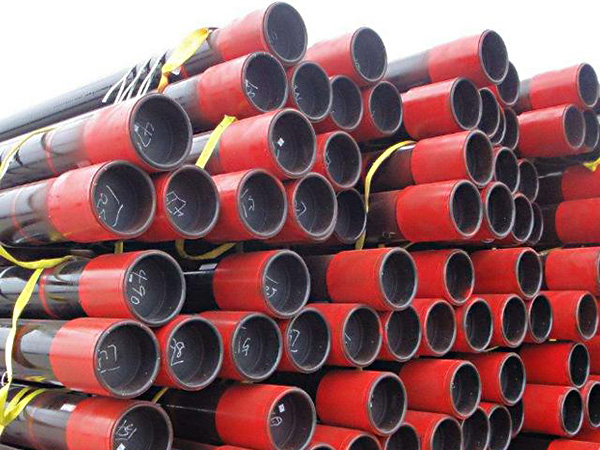
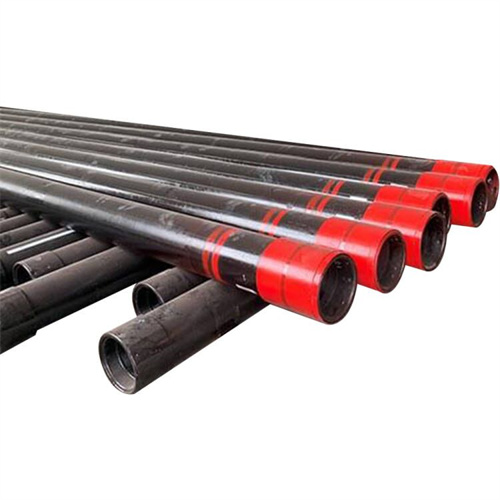
Boîtier API 5ct K55 Chine meilleur fabricant
Title: Studying Outstanding Materials for Oil Casing
Section: Exhaustive Review: Optimal Materials for Oil Casing Enhancements
The heart of any functioning Oil Well is the oil casing, which forms a crucial part of its structural support system. This article presents a comprehensive and in-depth examination of the most viable materials used in manufacturing oil casings.
The foremost material enlisted for this task is Steel of varying strengths and grades. Steel, a robust and hard-wearing alloy of iron, stands up admirably to the intense underground pressures experienced in oil wells. It retains a high tensile strength for an extensive duration, extending the lifespan of the oil wells. Together with its resistance to corrosion, especially Stainless Steel, these characteristics make steel an excellent material of choice for the unsettling task of oil extraction.
Following closely on the heels of steel is iron, another potential material for constructing oil casings. One crucial advantage in deploying iron is its cost effectiveness. Being one of the most abundant elements on earth, iron’s accessibility and ease of utilization make it an attractive alternative for budget-conscious operations. However, iron is less durable compared to steel and as such, it may not be the optimal choice for wells that require heavy-duty casing.
 Fiberglass is an innovative and relatively new entrant in the realm of Oil casing materials. Its advantageous properties of High strength-to-Weight ratio, endurance to corrosive environment, and non-conductivity make it desirable for use. Despite its relatively high fabrication costs, fiberglass is gradually gaining acceptance due to these advantageous properties over its traditional counterparts. The adaptability of fiberglass in arduous geological conditions calls for additional research to aptly understand its potential and limitations.
Additionally, the advent of more durable composites that present immense potential for application in oil casings is thrilling. These high-strength and high-performance composites hold promise due to their inherent light weight, resistance to corrosion, and adaptability to extreme conditions. The use of composites can notably extend the lifecycle of an oil well with minimal Maintenance, marking an era of sustainable advancements in the oil industry.
Yet, no material is devoid of faults, and each bears its share of setbacks as well. Steel, despite its strength, can be susceptible to corroding agents in the oil. Iron may fail to withstand oppressive subsurface pressures over long durations. Fiberglass, while it has a high strength-to-weight ratio, is expensive to produce, and composites are still in the nascent stage of development.
Choosing optimal materials for oil casing improvements is no light matter; it is determined by a multiplicity of factors. These include the depth and structure of the well, anticipated downhole conditions, desired well-life, and project budget, among others. Particular material selection denotes a trade-off between durability, strength, cost, and resistance to adverse conditions. Advances in material science undoubtedly promise future evolutions in this key aspect of the oil industry and will contiNue to push the ambits of what is feasibly possible with oil casing materials.