Maintenance prédictive : Utilisation d’algorithmes d’apprentissage automatique pour anticiper les pannes d’équipement dans les opérations de tubage pétrolier
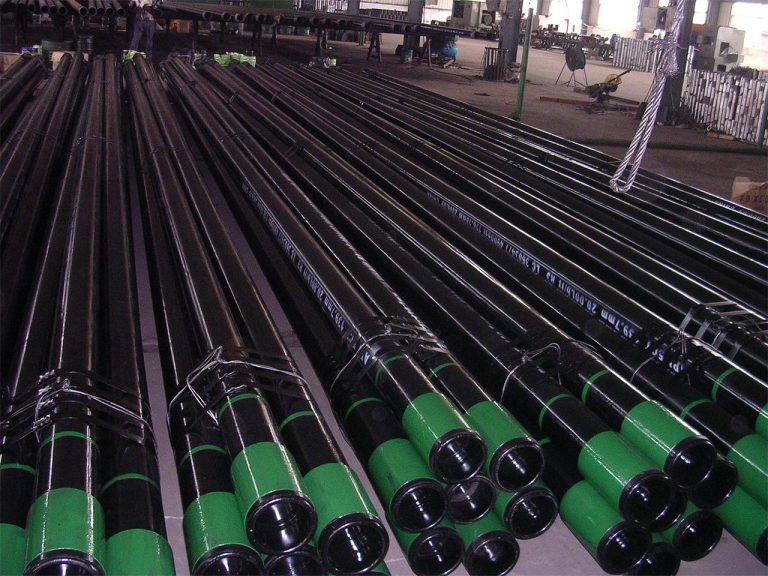
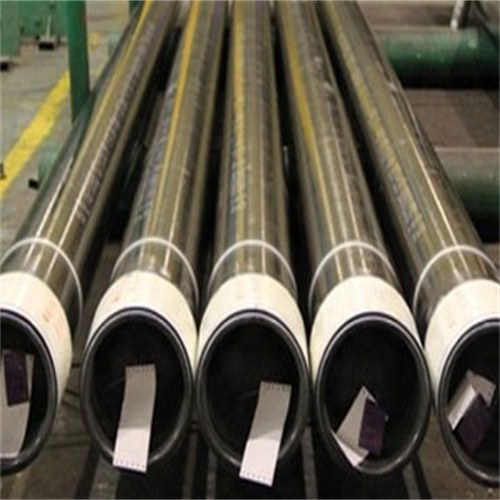
API 5ct l80 9Cr BOÎTIER Meilleur grossiste chinois
Prévision de la demande : tirer parti des techniques d’apprentissage automatique pour optimiser la gestion des stocks et l’efficacité de la chaîne d’approvisionnement pour les matériaux de cuvelage pétrolier
Pour commencer, la prévision de la demande est un élément essentiel de la gestion de la chaîne d’approvisionnement, car elle influence directement les niveaux de stocks, les calendriers de production et l’efficacité opérationnelle globale. Les méthodes de prévision traditionnelles s’appuient souvent sur des données historiques et des modèles statistiques simplistes, qui peuvent ne pas saisir adéquatement les complexités et les fluctuations inhérentes au secteur pétrolier et gazier. En revanche, les techniques d’apprentissage automatique offrent une approche plus sophistiquée en analysant de grandes quantités de données provenant de diverses sources, notamment les tendances du marché, les indicateurs économiques et même l’opinion des médias sociaux. Cette analyse à multiples facettes permet une prévision plus précise de la demande future en matériaux de tubage pétrolier, essentiels au forage et à l’achèvement des puits de pétrole.
De plus, les modèles d’apprentissage automatique peuvent s’adapter aux conditions changeantes du marché en temps réel, offrant aux organisations l’agilité nécessaire pour répondre aux fluctuations de la demande. Par exemple, en employant des algorithmes tels que l’analyse de régression, les arbres de décision ou les réseaux neuronaux, les entreprises peuvent identifier des modèles et des corrélations qui pourraient ne pas être immédiatement apparents avec les méthodes traditionnelles. Cette capacité est particulièrement bénéfique dans l’industrie pétrolière, où la demande peut être influencée par une multitude de facteurs, notamment les événements géopolitiques, les progrès technologiques et les changements de comportement des consommateurs. En exploitant ces informations, les organisations peuvent prendre des décisions éclairées concernant les niveaux de stocks, en garantissant qu’elles maintiennent un stock optimal sans surengager de ressources.
En plus d’améliorer la précision des prévisions de la demande, l’apprentissage automatique peut également améliorer l’efficacité de la chaîne d’approvisionnement en facilitant une meilleure collaboration entre les parties prenantes. Grâce à la possibilité de partager des données et des informations en temps réel tout au long de la chaîne d’approvisionnement, les entreprises peuvent favoriser une approche plus intégrée de la gestion des stocks. Par exemple, les fournisseurs, les fabricants et les distributeurs peuvent travailler ensemble pour aligner leurs opérations sur la base d’analyses prédictives, réduisant ainsi les délais de livraison et minimisant les ruptures de stock. Cet environnement collaboratif améliore non seulement l’efficacité opérationnelle, mais renforce également les relations entre les partenaires de la chaîne d’approvisionnement, conduisant finalement à une chaîne d’approvisionnement plus résiliente et plus réactive.
En outre, la mise en œuvre de l’apprentissage automatique dans la prévision de la demande peut entraîner des économies significatives pour les organisations. En optimisant les niveaux de stocks et en réduisant les stocks excédentaires, les entreprises peuvent réduire les coûts de possession et minimiser les déchets. De plus, des prévisions précises de la demande permettent aux organisations de négocier de meilleures conditions avec les fournisseurs, car elles peuvent fournir des prévisions plus fiables de leurs besoins en matériaux. Cet avantage stratégique peut se traduire par une amélioration des flux de trésorerie et une rentabilité accrue, permettant aux entreprises de réinvestir dans leurs opérations et de stimuler davantage l’innovation.
En conclusion, l’intégration des techniques d’apprentissage automatique dans la prévision de la demande de matériaux de tubage pétrolier représente une avancée significative dans la chaîne d’approvisionnement. gestion au sein de l’industrie pétrolière et gazière. En tirant parti de ces analyses avancées, les organisations peuvent obtenir une plus grande précision dans leurs prévisions de la demande, améliorer la collaboration entre les partenaires de la chaîne d’approvisionnement et réaliser des économies substantielles. Alors que l’industrie contiNue de faire face à des défis liés à la volatilité et à l’incertitude, l’adoption de l’apprentissage automatique jouera sans aucun doute un rôle crucial dans l’avenir de l’efficacité de la chaîne d’approvisionnement et de la gestion des stocks de matériaux de tubage pétrolier. L’adoption de ces technologies permet non seulement aux entreprises de réussir sur un marché concurrentiel, mais ouvre également la voie à un écosystème de chaîne d’approvisionnement plus durable et plus résilient.
One of the primary advantages of utilizing machine learning for predictive maintenance is its ability to process and analyze large datasets far more efficiently than traditional methods. Conventional approaches often rely on historical data and predefined thresholds to determine maintenance schedules. However, these methods can be reactive rather than proactive, leading to unexpected equipment failures and costly Repairs. In contrast, machine learning algorithms can continuously learn from new data, adapting their predictions based on the latest information. This dynamic capability allows for more accurate forecasting of equipment performance and potential failures.
Moreover, machine learning models can be trained to recognize specific failure modes associated with Oil Casing operations. For instance, by analyzing historical failure data, these models can learn to identify the signs of wear and tear that precede a casing failure. This knowledge enables operators to implement maintenance activities precisely when needed, rather than adhering to a rigid schedule that may not align with the actual condition of the equipment. As a result, Companies can optimize their maintenance strategies, ensuring that resources are allocated efficiently and effectively.
In addition to improving maintenance practices, the integration of machine learning into predictive maintenance frameworks can enhance safety in oil casing operations. Equipment failures can lead to hazardous situations, including blowouts or spills, which pose significant risks to personnel and the environment. By anticipating potential failures, operators can take proactive measures to mitigate these risks, ensuring a safer working environment. Furthermore, the ability to predict equipment issues allows for better planning and resource allocation, reducing the likelihood of emergency situations that could compromise safety.
The implementation of machine learning for predictive maintenance in oil casing operations is not without its challenges. Data quality and availability are critical factors that can influence the effectiveness of machine learning models. In many cases, the data collected from sensors may be incomplete or noisy, which can hinder the accuracy of predictions. Therefore, it is essential for companies to invest in robust data collection and management systems to ensure that high-quality data is available for analysis.
In conclusion, the application of machine learning algorithms for predictive maintenance in oil casing operations represents a significant advancement in the Oil and Gas industry. By harnessing the power of data analytics, companies can anticipate equipment failures, optimize maintenance schedules, and enhance safety measures. As the industry continues to evolve, the integration of machine learning into operational practices will undoubtedly play a crucial role in driving efficiency and reliability in oil casing operations, ultimately contributing to the overall success of the sector.
Demand Forecasting: Leveraging Machine Learning Techniques to Optimize Inventory Management and Supply Chain Efficiency for Oil casing Materials
In the ever-evolving landscape of the oil and gas industry, the application of machine learning techniques has emerged as a transformative force, particularly in the realm of demand forecasting for oil casing materials. As companies strive to enhance their operational efficiency and reduce costs, the integration of advanced analytics into supply chain management has become increasingly vital. By leveraging machine learning algorithms, organizations can gain valuable insights into demand patterns, enabling them to optimize inventory management and streamline their supply chain processes.
 To begin with, demand forecasting is a critical component of supply chain management, as it directly influences inventory levels, production schedules, and overall operational efficiency. Traditional forecasting methods often rely on historical data and simplistic statistical models, which may not adequately capture the complexities and fluctuations inherent in the oil and gas sector. In contrast, machine learning techniques offer a more sophisticated approach by analyzing vast amounts of data from various sources, including market trends, economic indicators, and even social media sentiment. This multifaceted analysis allows for a more accurate prediction of future demand for oil casing materials, which are essential for the drilling and completion of Oil Wells.
Moreover, machine learning models can adapt to changing market conditions in real-time, providing organizations with the agility needed to respond to fluctuations in demand. For instance, by employing algorithms such as regression analysis, decision trees, or neural networks, companies can identify patterns and correlations that may not be immediately apparent through traditional methods. This capability is particularly beneficial in the oil industry, where demand can be influenced by a myriad of factors, including geopolitical events, technological advancements, and shifts in consumer behavior. By harnessing these insights, organizations can make informed decisions regarding inventory levels, ensuring that they maintain optimal stock without overcommitting resources.
In addition to improving demand forecasting accuracy, machine learning can also enhance supply chain efficiency by facilitating better collaboration among stakeholders. With the ability to share real-time data and insights across the supply chain, companies can foster a more integrated approach to inventory management. For example, Suppliers, Manufacturers, and distributors can work together to align their operations based on predictive analytics, thereby reducing lead times and minimizing stockouts. This collaborative environment not only enhances operational efficiency but also strengthens relationships among supply chain partners, ultimately leading to a more resilient and responsive supply chain.
Furthermore, the implementation of machine learning in demand forecasting can lead to significant cost savings for organizations. By optimizing inventory levels and reducing excess stock, companies can lower carrying costs and minimize waste. Additionally, accurate demand predictions enable organizations to negotiate better terms with suppliers, as they can provide more reliable forecasts of their material needs. This strategic advantage can result in improved cash flow and enhanced profitability, allowing companies to reinvest in their operations and drive further innovation.
In conclusion, the integration of machine learning techniques into demand forecasting for oil casing materials represents a significant advancement in supply chain management within the oil and gas industry. By leveraging these advanced analytics, organizations can achieve greater accuracy in their demand predictions, enhance collaboration among supply chain partners, and realize substantial cost savings. As the industry continues to face challenges related to volatility and uncertainty, the adoption of machine learning will undoubtedly play a crucial role in shaping the future of supply chain efficiency and inventory management for oil casing materials. Embracing these technologies not only positions companies for success in a competitive market but also paves the way for a more sustainable and resilient supply chain ecosystem.