Stratégies collaboratives de chaîne d’approvisionnement dans l’innovation dans le domaine des tubages pétroliers
Tirer parti des partenariats technologiques pour l’innovation ouverte dans les chaînes d’approvisionnement des caissons pétroliers
En conclusion, l’évolution vers l’innovation ouverte dans les chaînes d’approvisionnement en caissons pétroliers représente un impératif stratégique pour les entreprises qui cherchent à prospérer dans un paysage industriel de plus en plus compétitif et dynamique. En forgeant des partenariats avec des fournisseurs de technologies, en adoptant des initiatives collaboratives de recherche et développement et en intégrant des pratiques durables dans leurs opérations, les entreprises peuvent débloquer de nouvelles opportunités de croissance et de différenciation. Cette approche accélère non seulement le rythme de l’innovation, mais améliore également l’efficacité opérationnelle, attéNue les risques et favorise la durabilité. À mesure que le secteur continue d’évoluer, il sera crucial d’adopter l’innovation ouverte pour les entreprises qui souhaitent garder une longueur d’avance et apporter de la valeur aux parties prenantes tout au long de la chaîne d’approvisionnement des carters pétroliers.
Supply Chain Open Innovation for Oil Casing
In the intricate web of the oil industry, where reliability and efficiency are paramount, the role of innovation in the supply chain cannot be overstated. Specifically, within the domain of oil casing, a critical component in drilling operations, the quest for innovation has taken on new dimensions. Traditionally, the supply chain for oil casing has been marked by its complexity, with multiple stakeholders involved in the process from manufacturing to deployment. However, in recent years, a paradigm shift towards open innovation has emerged as a promising approach to enhance the efficiency and effectiveness of this vital supply chain.
Open innovation in the context of oil casing supply chains revolves around the concept of collaboration and partnership. It encourages Companies not only to rely on internal capabilities but also to leverage external expertise and technologies to foster innovation. This approach acknowledges that no single entity possesses all the necessary resources and knowledge to innovate effectively in isolation. By forming strategic partnerships with technology providers, research institutions, and even competitors, companies in the oil casing sector can tap into a broader pool of ideas and capabilities.
One of the key drivers behind the adoption of open innovation in oil casing supply chains is the r APId pace of technological advancement. Technologies such as advanced Materials, digital twins, and predictive analytics have the potential to revolutionize the way oil casing is manufactured, tested, and deployed. By collaborating with technology partners, companies can integrate these innovations into their supply chain processes more rapidly, gaining a competitive edge in the market.
Moreover, open innovation enables companies to mitigate risks associated with technological uncertainties and market fluctuations. By sharing risks and rewards with partners, firms can better manage the high costs and long development cycles inherent in the oil casing industry. This collaborative approach also fosters agility, allowing companies to respond more effectively to changing market conditions and regulatory requirements.
Furthermore, open innovation promotes sustainability within the oil casing supply chain. As environmental and social considerations become increasingly important, collaborating with partners who specialize in sustainable technologies and practices can help companies reduce their carbon footprint and enhance their reputation as responsible corporate citizens. By jointly investing in research and development initiatives focused on sustainability, companies can develop innovative solutions that not only meet regulatory standards but also exceed customer expectations.
Another significant benefit of open innovation in oil casing supply chains is its capacity to drive operational efficiencies. By adopting shared standards and best practices developed through collaborative efforts, companies can streamline their manufacturing processes, optimize inventory management, and reduce time-to-market for new products. This, in turn, enhances overall supply chain resilience and responsiveness to customer demands.
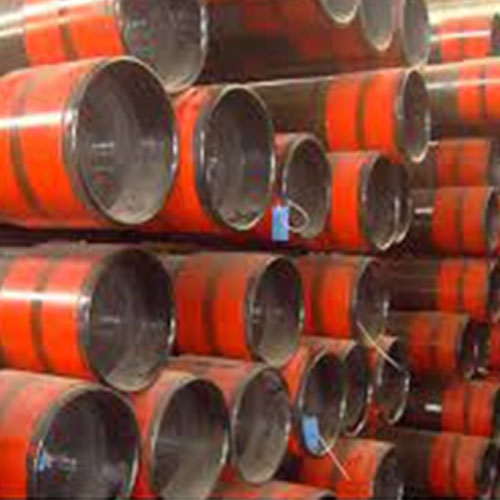 In conclusion, the shift towards open innovation in oil casing supply chains represents a strategic imperative for companies seeking to thrive in an increasingly competitive and dynamic industry landscape. By forging partnerships with technology providers, embracing collaborative research and development initiatives, and integrating sustainable practices into their operations, companies can unlock new opportunities for growth and differentiation. This approach not only accelerates the pace of innovation but also enhances operational efficiency, mitigates risks, and promotes sustainability. As the industry continues to evolve, embracing open innovation will be crucial for companies aiming to stay ahead of the curve and deliver value to stakeholders across the oil casing supply chain.