Collaborative Supply Chain Strategies in Oil Casing innovation
Supply Chain Open Innovation for Oil Casing
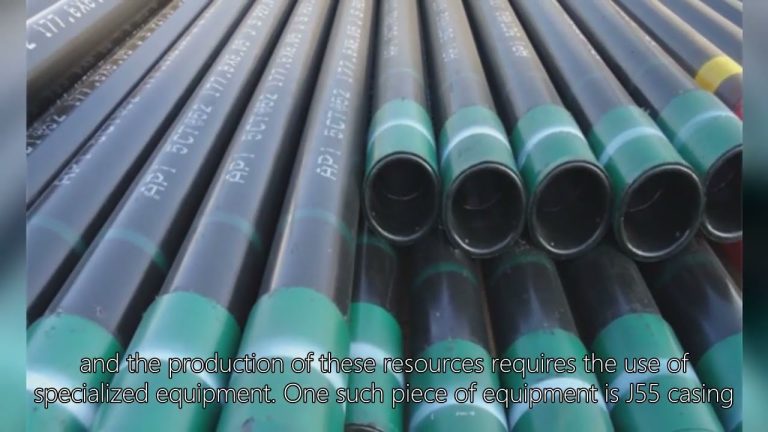
In the realm of Oil and Gas production, innovation isn’t just a competitive advantage\\u2014it’s a necessity. The sector faces continuous pressure to improve efficiency, reduce costs, and minimize environmental impact. One area where innovation plays a crucial role is in the development and deployment of oil casing, a fundamental component in drilling operations. Collaborative supply chain strategies have emerged as a key enabler of innovation in this domain, fostering partnerships and driving advancements that benefit the entire industry.
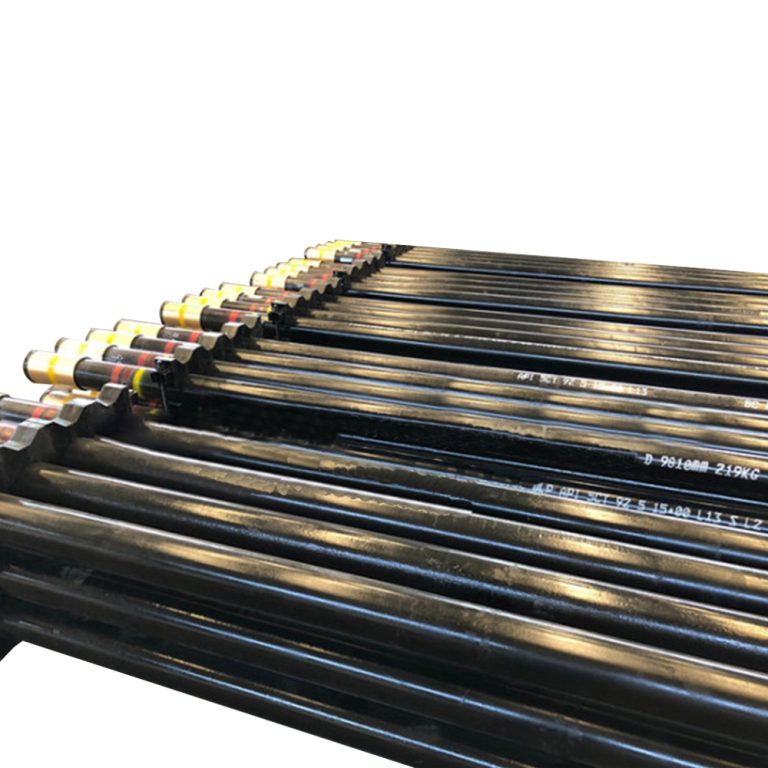
Oil casing serves as a protective barrier during drilling operations, ensuring the integrity and stability of Oil Wells. Traditionally, the development of casing Materials and designs has been a closed process, confined within the boundaries of individual Companies or Suppliers. However, the landscape is evolving r APIdly, propelled by the principles of open innovation. This approach encourages collaboration among various stakeholders, including oil companies, equipment Manufacturers, material suppliers, and research institutions.
One of the primary advantages of open innovation in oil casing supply chains is accelerated product development. By leveraging external expertise and resources, companies can tap into a broader pool of knowledge and capabilities. This collaborative effort often leads to faster prototyping, testing, and validation of new casing materials and technologies. For instance, partnerships between oil majors and academic research centers have resulted in significant breakthroughs in corrosion-resistant alloys and high-strength composite materials tailored for harsh drilling environments.
Moreover, open innovation fosters a culture of continuous improvement. By exchanging ideas and best practices across organizational boundaries, stakeholders can identify inefficiencies and develop more effective solutions. This iterative process not only enhances the performance and reliability of oil casing but also drives down costs over the long term. For example, shared data analytics platforms enable real-time monitoring of casing performance, facilitating predictive Maintenance and optimizing operational workflows.
Collaborative supply chain strategies also play a pivotal role in addressing sustainability challenges within the oil and gas sector. As environmental regulations tighten and societal expectations evolve, there is growing pressure to reduce the industry’s carbon footprint. Open innovation enables the co-development of eco-friendly casing materials and manufacturing processes that minimize environmental impact without compromising performance. Innovations such as recyclable casing materials and reduced-emission manufacturing techniques are examples of how industry collaboration can drive sustainability forward.
Furthermore, open innovation in oil casing supply chains enhances supply chain resilience. By diversifying sourcing options and building robust partnerships, companies can mitigate supply chain risks such as material shortages or geopolitical disruptions. Collaborative efforts also promote transparency and traceability, crucial factors in ensuring compliance with regulatory standards and maintaining stakeholder trust.
cannula 18g,The shift towards open innovation in oil casing supply chains is not without its challenges. Intellectual property concerns, coordination complexities, and cultural Differences among partners can pose significant hurdles. However, these challenges can be effectively managed through clear communication, structured governance frameworks, and mutually beneficial agreements that protect the interests of all parties involved.
In conclusion, collaborative supply chain strategies driven by open innovation are transforming the landscape of oil casing development. By fostering partnerships, sharing expertise, and embracing external insights, stakeholders are unlocking new possibilities for efficiency, sustainability, and resilience. As the industry contiNues to evolve, embracing a culture of openness and collaboration will be essential in addressing the complex challenges and seizing the opportunities that lie ahead in the dynamic world of oil and gas production.
Leveraging Technology Partnerships for Open Innovation in Oil Casing Supply Chains
Supply Chain Open Innovation for Oil Casing
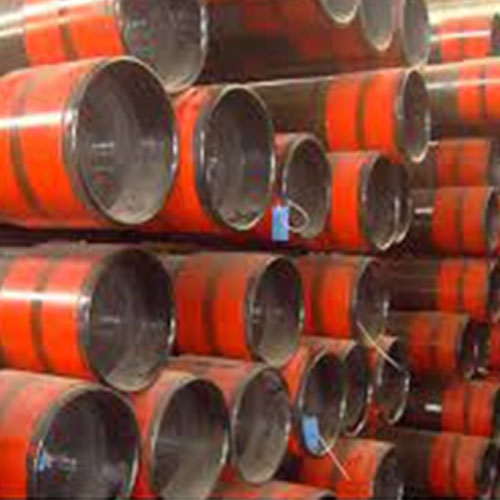
In the intricate web of the oil industry, where reliability and efficiency are paramount, the role of innovation in the supply chain cannot be overstated. Specifically, within the domain of oil casing, a critical component in drilling operations, the quest for innovation has taken on new dimensions. Traditionally, the supply chain for oil casing has been marked by its complexity, with multiple stakeholders involved in the process from manufacturing to deployment. However, in recent years, a paradigm shift towards open innovation has emerged as a promising approach to enhance the efficiency and effectiveness of this vital supply chain.
Open innovation in the context of oil casing supply chains revolves around the concept of collaboration and partnership. It encourages companies not only to rely on internal capabilities but also to leverage external expertise and technologies to foster innovation. This approach acknowledges that no single entity possesses all the necessary resources and knowledge to innovate effectively in isolation. By forming strategic partnerships with technology providers, research institutions, and even competitors, companies in the oil casing sector can tap into a broader pool of ideas and capabilities.
One of the key drivers behind the adoption of open innovation in oil casing supply chains is the rapid pace of technological advancement. Technologies such as advanced materials, digital twins, and predictive analytics have the potential to revolutionize the way oil casing is manufactured, tested, and deployed. By collaborating with technology partners, companies can integrate these innovations into their supply chain processes more rapidly, gaining a competitive edge in the market.
Moreover, open innovation enables companies to mitigate risks associated with technological uncertainties and market fluctuations. By sharing risks and rewards with partners, firms can better manage the high costs and long development cycles inherent in the oil casing industry. This collaborative approach also fosters agility, allowing companies to respond more effectively to changing market conditions and regulatory requirements.
Furthermore, open innovation promotes sustainability within the oil casing supply chain. As environmental and social considerations become increasingly important, collaborating with partners who specialize in sustainable technologies and practices can help companies reduce their carbon footprint and enhance their reputation as responsible corporate citizens. By jointly investing in research and development initiatives focused on sustainability, companies can develop innovative solutions that not only meet regulatory standards but also exceed customer expectations.
Another significant benefit of open innovation in oil casing supply chains is its capacity to drive operational efficiencies. By adopting shared standards and best practices developed through collaborative efforts, companies can streamline their manufacturing processes, optimize inventory management, and reduce time-to-market for new products. This, in turn, enhances overall supply chain resilience and responsiveness to customer demands.
 In conclusion, the shift towards open innovation in oil casing supply chains represents a strategic imperative for companies seeking to thrive in an increasingly competitive and dynamic industry landscape. By forging partnerships with technology providers, embracing collaborative research and development initiatives, and integrating sustainable practices into their operations, companies can unlock new opportunities for growth and differentiation. This approach not only accelerates the pace of innovation but also enhances operational efficiency, mitigates risks, and promotes sustainability. As the industry continues to evolve, embracing open innovation will be crucial for companies aiming to stay ahead of the curve and deliver value to stakeholders across the oil casing supply chain.