L’avenir de la technologie des cuvelages pétroliers : tendances et innovations
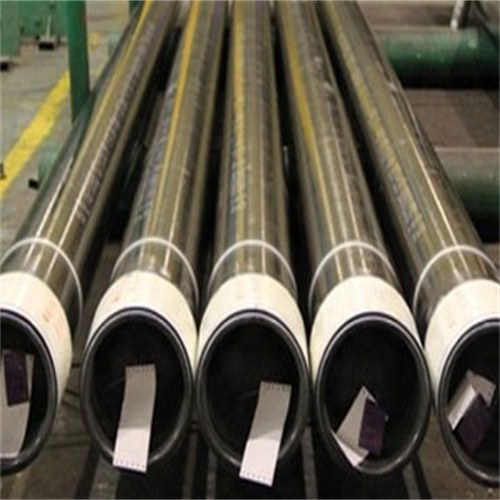
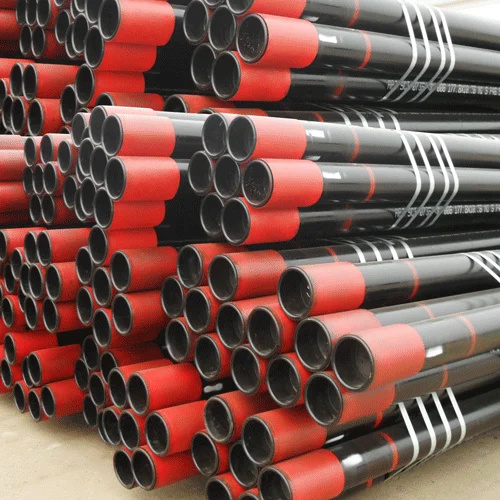
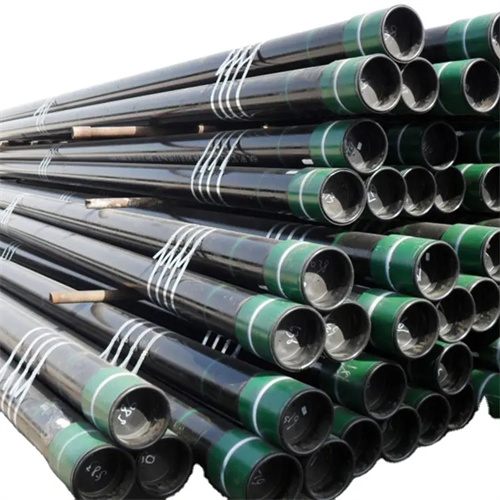
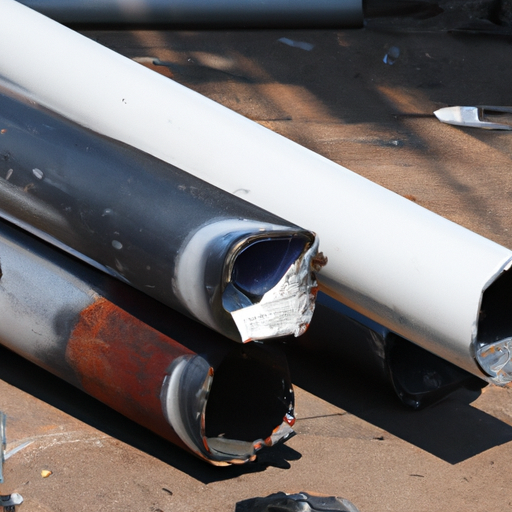
Boîtier d’huile API 5ct J55 K55 N80q l80q P110 L8013cr avec filetage de contrefort
 De plus, l’avenir de la technologie du tubage pétrolier est étroitement lié à la transition énergétique plus large vers des sources renouvelables. Alors que le monde s’oriente vers des alternatives énergétiques plus propres, l’industrie pétrolière et gazière doit s’adapter en améliorant l’efficacité et la durabilité de ses opérations. Cette transition présente à la fois des défis et des opportunités pour la technologie des boîtiers pétroliers, stimulant l’innovation vers des solutions plus vertes et plus durables.
En conclusion, l’avenir de la technologie des boîtiers pétroliers est marqué par une convergence de matériaux avancés, d’innovations numériques, d’initiatives de développement durable et d’énergie. transition. En adoptant ces tendances et en tirant parti des technologies de pointe, l’industrie pétrolière et gazière peut améliorer les performances, la fiabilité et l’empreinte environnementale des systèmes de tubage pétrolier. Alors que les acteurs de l’industrie collaborent pour stimuler l’innovation et la durabilité, l’avenir du carter pétrolier est en effet distinct, nous invitant à distinguer et à adopter les changements transformateurs qui façonnent le secteur.
API 5CT J55 K55 N80q L80q P110 L8013cr Oil Casing with Buttress Thread
Furthermore, the adoption of 3D printing technology is poised to revolutionize the manufacturing process of oil casings. By utilizing additive manufacturing techniques, Companies can produce complex casing geometries with greater precision and customization. This not only streamlines production timelines but also opens up new possibilities for designing casings tailored to specific well conditions and operational requirements.
Another significant trend in oil casing technology is the emphasis on sustainability and environmental responsibility. As the industry faces increasing scrutiny over its environmental impact, companies are exploring eco-friendly casing Materials and recycling solutions to minimize waste and carbon footprint. By embracing sustainable practices, oil companies can demonstrate their commitment to environmental stewardship while also improving operational efficiency.
Moreover, the future of oil casing technology is closely intertwined with the broader energy transition towards renewable sources. As the world shifts towards cleaner energy alternatives, the Oil and Gas industry must adapt by enhancing the efficiency and sustainability of its operations. This transition presents both challenges and opportunities for oil casing technology, driving innovation towards greener and more sustainable solutions.
In conclusion, the future of oil casing technology is marked by a convergence of advanced materials, digital innovations, sustainability initiatives, and the energy transition. By embracing these trends and leveraging cutting-edge technologies, the oil and gas industry can enhance the performance, reliability, and environmental footprint of oil casing systems. As stakeholders across the industry collaborate to drive innovation and sustainability, the future of oil casing is indeed distinct, inviting us to distinguish and embrace the transformative changes shaping the sector.