مستقبل تكنولوجيا أغلفة الزيت: الاتجاهات والابتكارات
أحد الاتجاهات الرئيسية التي تشكل مستقبل تكنولوجيا أغلفة النفط هو تطوير المواد المركبة المتقدمة. توفر هذه المواد بديلاً مقنعًا للأغلفة الفولاذية التقليدية، مما يوفر مقاومة فائقة للتآكل، واستقرارًا حراريًا، وقوة ميكانيكية. من خلال الاستفادة من الخصائص الفريدة للمواد المركبة، يمكن لشركات النفط تحسين سلامة آبارها وتقليل تكاليف الصيانة على المدى الطويل.
بالإضافة إلى المواد المتقدمة، تلعب التقنيات الرقمية دورًا حاسمًا في إحداث ثورة في تصميم أغلفة النفط ومراقبتها. يتيح تكامل أجهزة الاستشعار وتحليلات البيانات وأنظمة التشغيل الآلي مراقبة ظروف الغلاف في الوقت الفعلي، مما يسمح للمشغلين باكتشاف المشكلات المحتملة قبل تفاقمها. لا يعمل هذا النهج الاستباقي على تعزيز السلامة والموثوقية فحسب، بل يعمل أيضًا على تحسين كفاءة الإنتاج من خلال تقليل وقت التوقف عن العمل والاضطرابات التشغيلية.
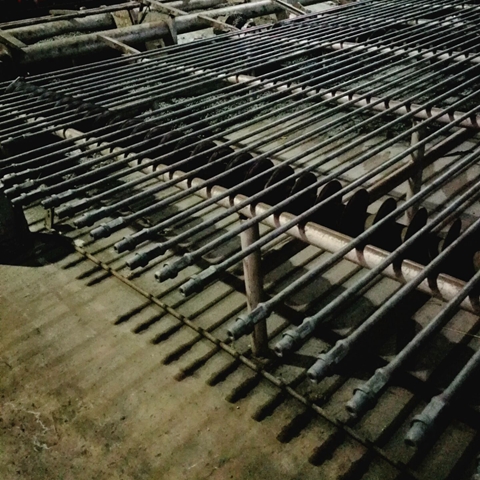
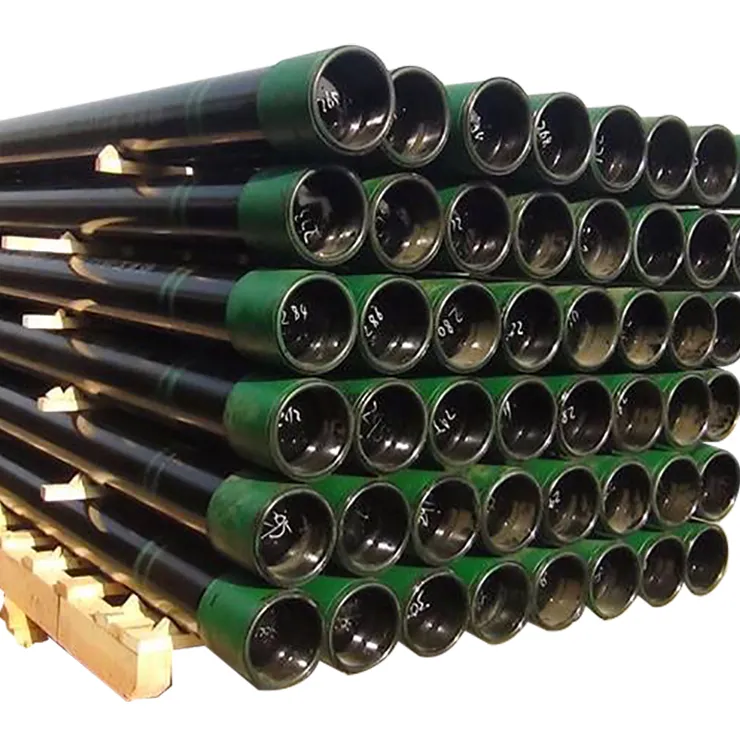
 API 5ct J55 K55 N80q l80q P110 L8013cr غلاف الزيت بخيط داعم
علاوة على ذلك، فإن مستقبل تكنولوجيا أغلفة النفط يتشابك بشكل وثيق مع التحول الأوسع للطاقة نحو مصادر الطاقة المتجددة. ومع تحول العالم نحو بدائل الطاقة النظيفة، يجب على صناعة النفط والغاز التكيف من خلال تعزيز كفاءة واستدامة عملياتها. يمثل هذا التحول تحديات وفرصًا لتكنولوجيا أغلفة النفط، مما يدفع الابتكار نحو حلول أكثر خضرة واستدامة.
في الختام، يتميز مستقبل تكنولوجيا أغلفة النفط بتقارب المواد المتقدمة والابتكارات الرقمية ومبادرات الاستدامة والطاقة. انتقال. ومن خلال تبني هذه الاتجاهات والاستفادة من التقنيات المتطورة، يمكن لصناعة النفط والغاز تحسين الأداء والموثوقية والبصمة البيئية لأنظمة تغليف النفط. وبينما يتعاون أصحاب المصلحة في جميع أنحاء الصناعة لدفع الابتكار والاستدامة، فإن مستقبل غلاف النفط متميز بالفعل، مما يدعونا إلى تمييز واحتضان التغييرات التحويلية التي تشكل القطاع.
Furthermore, the adoption of 3D printing technology is poised to revolutionize the manufacturing process of Oil Casings. By utilizing additive manufacturing techniques, Companies can produce complex casing geometries with greater precision and customization. This not only streamlines production timelines but also opens up new possibilities for designing casings tailored to specific well conditions and operational requirements.
Another significant trend in oil casing technology is the emphasis on sustainability and environmental responsibility. As the industry faces increasing scrutiny over its environmental impact, companies are exploring eco-friendly casing Materials and recycling solutions to minimize waste and carbon footprint. By embracing sustainable practices, oil companies can demonstrate their commitment to environmental stewardship while also improving operational efficiency.
Moreover, the future of oil casing technology is closely intertwined with the broader energy transition towards renewable sources. As the world shifts towards cleaner energy alternatives, the Oil and Gas industry must adapt by enhancing the efficiency and sustainability of its operations. This transition presents both challenges and opportunities for oil casing technology, driving innovation towards greener and more sustainable solutions.
In conclusion, the future of oil casing technology is marked by a convergence of advanced materials, digital innovations, sustainability initiatives, and the energy transition. By embracing these trends and leveraging cutting-edge technologies, the oil and gas industry can enhance the performance, reliability, and environmental footprint of oil casing systems. As stakeholders across the industry collaborate to drive innovation and sustainability, the future of oil casing is indeed distinct, inviting us to distinguish and embrace the transformative changes shaping the sector.