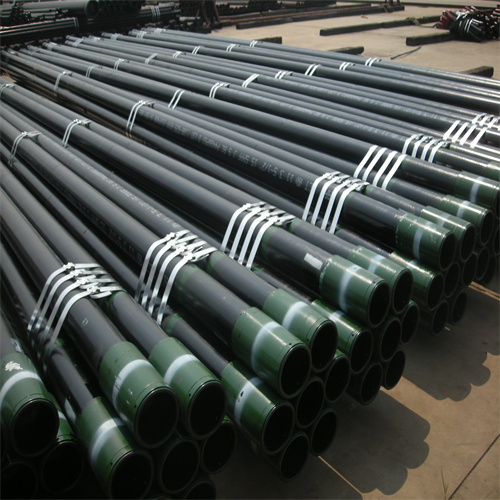
innovations dans la technologie des boîtiers d’huile ultra-résistants à la corrosion
Avantages de l’utilisation de matériaux avancés dans les opérations de forage en haute mer
Impact environnemental des technologies améliorées de tubage pétrolier
De plus, le déploiement d’un carter d’huile ultra solide et résistant à la corrosion soutient les efforts de l’industrie pour répondre à des normes réglementaires strictes. En adoptant des matériaux qui améliorent l’intégrité opérationnelle et la protection de l’environnement, les compagnies pétrolières peuvent démontrer leur engagement en faveur de pratiques d’extraction responsables des ressources.
En plus de leurs avantages techniques, ces matériaux avancés stimulent également l’innovation dans les techniques de forage. Leurs propriétés améliorées permettent des capacités de forage plus profondes, ouvrant de nouvelles frontières pour accéder aux réserves offshore tout en minimisant les perturbations environnementales. Ces progrès technologiques soulignent l’évolution contiNue du secteur vers une production d’énergie plus durable et plus efficace.
Cependant, malgré ces progrès, des défis subsistent pour optimiser la performance environnementale des activités de forage en haute mer. Une gestion efficace des déchets, des stratégies de réduction des émissions et une recherche continue sur les pratiques de forage respectueuses de l’environnement sont des éléments essentiels d’une approche globale de l’extraction d’énergie durable.
Pour l’avenir, le développement et l’adoption continus de matériaux de tubage pétrolier ultra-résistants et résistants à la corrosion. sont sur le point de jouer un rôle central dans l’élaboration de l’avenir du forage offshore. Alors que la demande mondiale d’énergie continue d’augmenter, l’impératif d’une gestion responsable des ressources et d’une bonne gestion de l’environnement devient de plus en plus crucial.
En conclusion, l’attention portée aux matériaux de tubage pétrolier ultra-résistants et résistants à la corrosion représente une avancée significative dans les technologies de forage en haute mer. Au-delà de leurs mérites techniques, ces matériaux incarnent un engagement en faveur de la durabilité environnementale et de l’efficacité opérationnelle. En atténuant les risques, en améliorant la sécurité et en promouvant l’efficacité des ressources, ils illustrent les efforts continus de l’industrie pour équilibrer les besoins énergétiques et la responsabilité environnementale. À mesure que l’innovation persiste, il est également possible de minimiser davantage l’empreinte environnementale de l’extraction pétrolière offshore, garantissant ainsi un avenir énergétique durable pour les générations à venir.
Environmental Impact of Enhanced Oil Casing Technologies
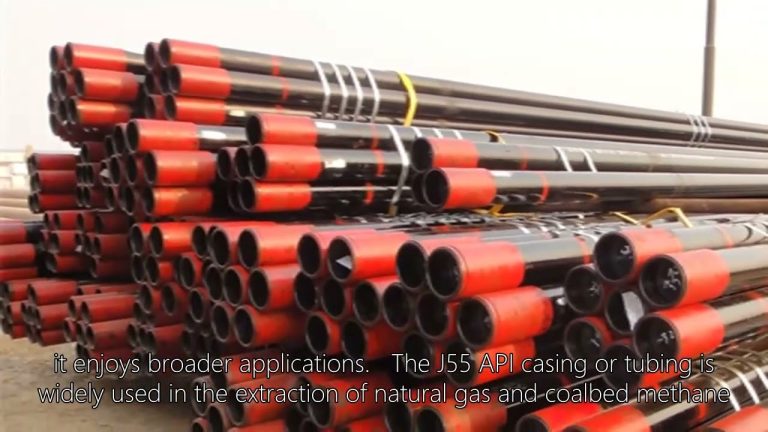
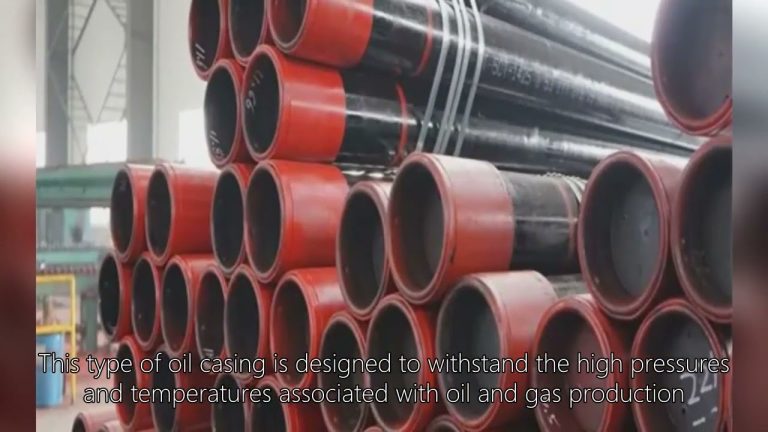
In the realm of deep-sea drilling, technological advancements continually redefine the capabilities and environmental impacts of oil extraction processes. One notable innovation that has garnered attention is the development of ultra-strong, corrosion-resistant Oil casing Materials. These materials represent a significant leap forward in enhancing the efficiency and sustainability of offshore drilling operations.
The primary environmental benefit of using ultra-strong, corrosion-resistant oil casing lies in its ability to withstand harsh marine conditions over extended periods. Traditional casing materials often succumb to corrosion, leading to leaks and spills that can have devastating effects on marine ecosystems. In contrast, these advanced materials are engineered to resist corrosion, reducing the risk of environmental damage associated with oil extraction.
Furthermore, the durability of these materials contributes to the overall safety of deep-sea drilling operations. By minimizing the likelihood of casing failure or degradation, operators can mitigate the potential for accidents and spills, thereby safeguarding both marine environments and human lives.
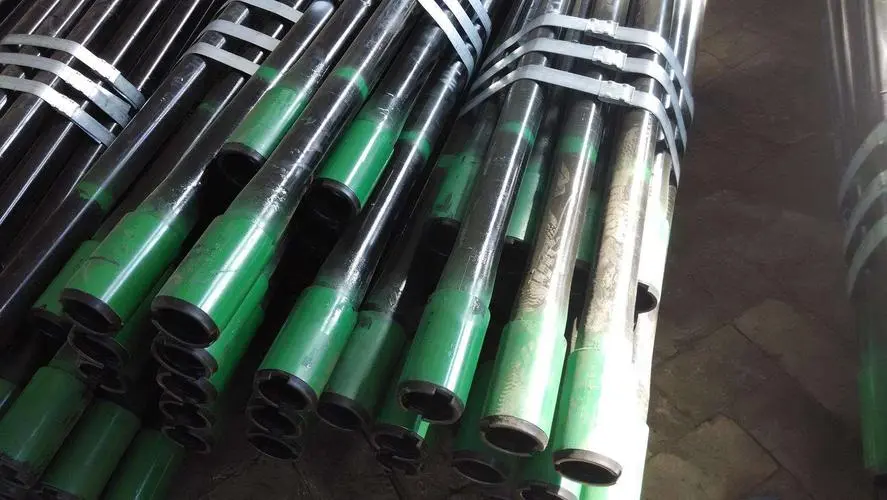
Beyond durability, the production and use of ultra-strong, corrosion-resistant oil casing materials also have implications for resource efficiency. These materials are designed to be lightWeight yet incredibly strong, which translates to reduced material requirements compared to conventional casing options. This efficiency not only lowers the environmental footprint of drilling operations but also enhances cost-effectiveness for operators.
Another critical aspect to consider is the lifecycle impact of these advanced materials. Manufacturers are increasingly focused on developing casing materials that are recyclable or have a minimal environmental footprint throughout their lifecycle. This holistic approach aims to reduce waste and energy consumption associated with casing production and disposal, aligning with global sustainability goals.
Moreover, the deployment of ultra-strong, corrosion-resistant oil casing supports the industry’s efforts to meet stringent regulatory standards. By adopting materials that enhance operational integrity and environmental protection, oil Companies can demonstrate a commitment to responsible resource extraction practices.
In addition to their technical advantages, these advanced materials are also driving innovation in drilling techniques. Their enhanced properties enable deeper drilling capabilities, opening up new frontiers for accessing offshore reserves while minimizing environmental disturbances. This technological progress underscores the industry’s ongoing evolution towards more sustainable and efficient energy production.
However, despite these advancements, challenges remain in optimizing the environmental performance of deep-sea drilling activities. Effective waste management, emissions reduction strategies, and continual research into eco-friendly drilling practices are essential components of a comprehensive approach to sustainable energy extraction.
Looking ahead, the ongoing development and adoption of ultra-strong, corrosion-resistant oil casing materials are poised to play a pivotal role in sh APIng the future of offshore drilling. As global energy demands continue to rise, the imperative for responsible resource management and environmental stewardship becomes increasingly critical.
In conclusion, the spotlight on ultra-strong, corrosion-resistant oil casing materials represents a significant advancement in deep-sea drilling technologies. Beyond their technical merits, these materials embody a commitment to environmental sustainability and operational efficiency. By mitigating risks, enhancing safety, and promoting resource efficiency, they exemplify the industry’s ongoing efforts to balance energy needs with environmental responsibility. As innovation persists, so too does the potential to further minimize the environmental footprint of offshore oil extraction, ensuring a sustainable energy future for generations to come.