Ubunifu katika Teknolojia ya Kuweka Mafuta kwa Nguvu Zaidi Ya Kutua
Manufaa ya Kutumia Nyenzo za Kina katika Uendeshaji wa Uchimbaji wa Kina Kirefu cha Bahari
Athari ya Kimazingira ya Teknolojia ya Uwekaji Mafuta Iliyoimarishwa
Aidha, uwekaji wa mfuko wa mafuta yenye nguvu zaidi, sugu ya kutu kunaunga mkono juhudi za sekta hiyo kufikia viwango vikali vya udhibiti. Kwa kutumia nyenzo zinazoboresha uadilifu wa utendaji kazi na ulinzi wa mazingira, kampuni za mafuta zinaweza kuonyesha kujitolea kwa mbinu zinazowajibika za uchimbaji wa rasilimali.
Mbali na faida zao za kiufundi, nyenzo hizi za hali ya juu pia zinachochea uvumbuzi katika mbinu za kuchimba visima. Sifa zao zilizoimarishwa huwezesha uwezo wa kuchimba visima kwa kina, kufungua mipaka mipya ya kufikia hifadhi za pwani huku ikipunguza usumbufu wa mazingira. Maendeleo haya ya kiteknolojia yanasisitiza mageuzi yanayoendelea ya sekta hiyo kuelekea uzalishaji endelevu na bora wa nishati.
Hata hivyo, licha ya maendeleo haya, changamoto zinasalia katika kuboresha utendaji wa mazingira wa shughuli za kuchimba visima kwenye kina kirefu cha bahari. Udhibiti bora wa taka, mikakati ya kupunguza uzalishaji, na utafiti unaoendelea wa mbinu za uchimbaji unaozingatia mazingira ni vipengele muhimu vya mbinu ya kina ya uchimbaji wa nishati endelevu.
Tukitazama mbeleni, maendeleo yanayoendelea na kupitishwa kwa makabati ya mafuta yenye nguvu zaidi, sugu ya kutu. wako tayari kuchukua jukumu muhimu katika kuunda mustakabali wa uchimbaji wa baharini. Kadiri mahitaji ya nishati ya kimataifa yanavyozidi kuongezeka, umuhimu wa usimamizi wa rasilimali unaowajibika na utunzaji wa mazingira unazidi kuwa muhimu.
Kwa kumalizia, uangalizi wa nyenzo za kuhifadhi mafuta zenye nguvu zaidi, sugu ya kutu unawakilisha maendeleo makubwa katika teknolojia ya kuchimba visima kwenye kina kirefu cha bahari. Zaidi ya sifa zao za kiufundi, nyenzo hizi zinajumuisha kujitolea kwa uendelevu wa mazingira na ufanisi wa uendeshaji. Kwa kupunguza hatari, kuimarisha usalama, na kukuza ufanisi wa rasilimali, zinaonyesha jitihada zinazoendelea za sekta ya kusawazisha mahitaji ya nishati na wajibu wa mazingira. Kadiri uvumbuzi unavyoendelea, ndivyo pia uwezekano wa kupunguza zaidi alama ya mazingira ya uchimbaji wa mafuta nje ya nchi, kuhakikisha mustakabali wa nishati endelevu kwa vizazi vijavyo.
Environmental Impact of Enhanced Oil Casing Technologies
In the realm of deep-sea drilling, technological advancements continually redefine the capabilities and environmental impacts of oil extraction processes. One notable innovation that has garnered attention is the development of ultra-strong, corrosion-resistant Oil casing Materials. These materials represent a significant leap forward in enhancing the efficiency and sustainability of offshore drilling operations.
The primary environmental benefit of using ultra-strong, corrosion-resistant oil casing lies in its ability to withstand harsh marine conditions over extended periods. Traditional casing materials often succumb to corrosion, leading to leaks and spills that can have devastating effects on marine ecosystems. In contrast, these advanced materials are engineered to resist corrosion, reducing the risk of environmental damage associated with oil extraction.
Furthermore, the durability of these materials contributes to the overall safety of deep-sea drilling operations. By minimizing the likelihood of casing failure or degradation, operators can mitigate the potential for accidents and spills, thereby safeguarding both marine environments and human lives.
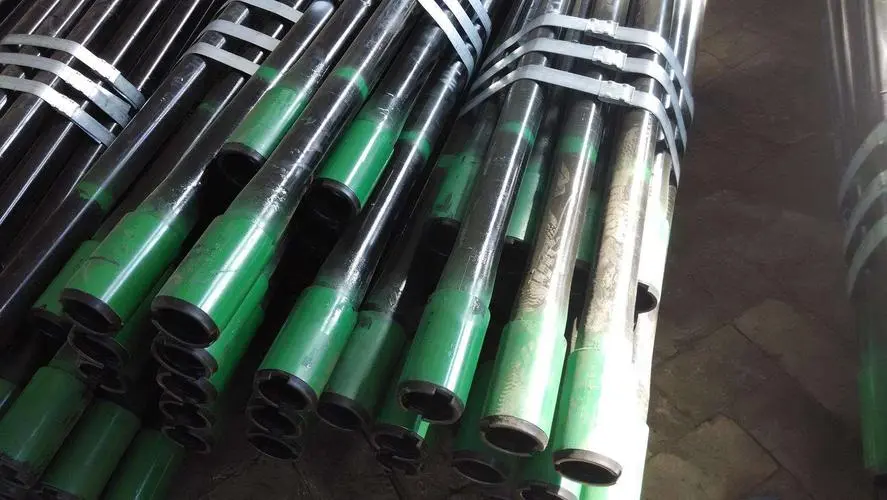
Beyond durability, the production and use of ultra-strong, corrosion-resistant oil casing materials also have implications for resource efficiency. These materials are designed to be lightWeight yet incredibly strong, which translates to reduced material requirements compared to conventional casing options. This efficiency not only lowers the environmental footprint of drilling operations but also enhances cost-effectiveness for operators.
Another critical aspect to consider is the lifecycle impact of these advanced materials. Manufacturers are increasingly focused on developing casing materials that are recyclable or have a minimal environmental footprint throughout their lifecycle. This holistic approach aims to reduce waste and energy consumption associated with casing production and disposal, aligning with global sustainability goals.
Moreover, the deployment of ultra-strong, corrosion-resistant oil casing supports the industry’s efforts to meet stringent regulatory standards. By adopting materials that enhance operational integrity and environmental protection, oil Companies can demonstrate a commitment to responsible resource extraction practices.
In addition to their technical advantages, these advanced materials are also driving innovation in drilling techniques. Their enhanced properties enable deeper drilling capabilities, opening up new frontiers for accessing offshore reserves while minimizing environmental disturbances. This technological progress underscores the industry’s ongoing evolution towards more sustainable and efficient energy production.
However, despite these advancements, challenges remain in optimizing the environmental performance of deep-sea drilling activities. Effective waste management, emissions reduction strategies, and continual research into eco-friendly drilling practices are essential components of a comprehensive approach to sustainable energy extraction.
Looking ahead, the ongoing development and adoption of ultra-strong, corrosion-resistant oil casing materials are poised to play a pivotal role in sh APIng the future of offshore drilling. As global energy demands contiNue to rise, the imperative for responsible resource management and environmental stewardship becomes increasingly critical.
In conclusion, the spotlight on ultra-strong, corrosion-resistant oil casing materials represents a significant advancement in deep-sea drilling technologies. Beyond their technical merits, these materials embody a commitment to environmental sustainability and operational efficiency. By mitigating risks, enhancing safety, and promoting resource efficiency, they exemplify the industry’s ongoing efforts to balance energy needs with environmental responsibility. As innovation persists, so too does the potential to further minimize the environmental footprint of offshore oil extraction, ensuring a sustainable energy future for generations to come.