Perturbations de la chaîne d’approvisionnement
cas d’huile essentielle
Variations de la demande mondiale
Le marché du tubage pétrolier est étroitement lié aux variations de la demande mondiale, les prix fluctuant en réponse à une interaction complexe de facteurs économiques, géopolitiques et technologiques. Comprendre ces dynamiques est crucial pour les parties prenantes allant des producteurs de pétrole aux investisseurs et décideurs politiques.
Instabilité géopolitique
Le marché du tubage pétrolier, un élément crucial de l’infrastructure énergétique mondiale, est profondément influencé par une multitude de facteurs, l’instabilité géopolitique s’imposant comme un moteur important des fluctuations des prix. Les événements géopolitiques à travers le monde exercent une influence considérable sur les prix du pétrole, impactant à la fois les chaînes d’approvisionnement et la confiance des investisseurs.
L’une des principales façons dont l’instabilité géopolitique affecte le marché du tubage pétrolier est son impact sur les régions productrices de pétrole. Les régions sujettes à des troubles politiques ou à des conflits, comme le Moyen-Orient ou certaines régions d’Afrique, connaissent souvent des perturbations dans la production et la distribution du pétrole. Ces perturbations peuvent entraîner des pénuries ou des incertitudes d’approvisionnement, provoquant des fluctuations de la demande de boyaux pétroliers alors que les producteurs font face aux risques géopolitiques.
En outre, les tensions politiques entre les principaux pays producteurs de pétrole peuvent dégénérer en différends commerciaux ou en embargos, compliquant encore davantage la dynamique de l’offre de le marché du pétrole. Par exemple, les sanctions imposées aux pays producteurs de pétrole peuvent restreindre leur capacité à Exporter du pétrole brut, affectant ainsi la demande globale de tubages pétroliers utilisés dans les activités de forage et d’extraction.
La confiance des investisseurs joue également un rôle crucial dans la réponse à l’instabilité géopolitique. Les climats politiques incertains peuvent entraîner une volatilité sur les marchés financiers, y compris sur les matières premières comme le pétrole et les produits connexes tels que les boyaux de pétrole. Les investisseurs peuvent réagir aux événements géopolitiques en ajustant leurs stratégies d’investissement, ce qui entraînera des fluctuations des prix des caissons pétroliers à mesure que les sentiments du marché changent. . Les ralentissements économiques déclenchés par les tensions géopolitiques peuvent réduire l’activité industrielle et la consommation d’énergie, réduisant ainsi la demande de tubages pétroliers utilisés dans les nouveaux projets de forage ou dans l’entretien des puits existants.
L’importance stratégique du pétrole en tant que source d’énergie amplifie encore l’impact de l’instabilité géopolitique. sur les prix des carters pétroliers. Les pays fortement dépendants des importations de pétrole peuvent être confrontés à une augmentation des coûts ou à des ruptures d’approvisionnement pendant les périodes de troubles géopolitiques, affectant leur sécurité énergétique et leur stabilité économique. Cette interdépendance souligne la nature interconnectée des marchés énergétiques mondiaux et des événements géopolitiques.
Les évaluations des risques géopolitiques font donc partie intégrante de la compréhension et de la prévision des fluctuations du marché du tubage pétrolier. Les analystes et les experts du secteur surveillent de près les évolutions géopolitiques, évaluant leurs implications potentielles sur la production pétrolière, la distribution et la dynamique du marché. En identifiant les points chauds géopolitiques et en évaluant leur impact sur les principales régions productrices de pétrole, les parties prenantes peuvent mieux anticiper et réagir aux changements des prix du tubage pétrolier.
En conclusion, alors que le marché du tubage pétrolier est influencé par divers facteurs, notamment les progrès technologiques et la demande du marché. , l’instabilité géopolitique apparaît comme un déterminant essentiel des fluctuations des prix. Des ruptures d’approvisionnement dans les régions sujettes aux conflits aux changements de sentiment des investisseurs et aux implications économiques mondiales, les événements géopolitiques façonnent le paysage du marché du tubage pétrolier. À ce titre, les parties prenantes du secteur de l’énergie doivent rester vigilantes dans la surveillance des évolutions géopolitiques afin de faire face aux incertitudes et d’attéNuer efficacement les risques.
The Oil Casing market is intricately tied to global demand variations, with Prices fluctuating in response to a complex interplay of economic, geopolitical, and technological factors. Understanding these dynamics is crucial for stakeholders ranging from oil producers to investors and policyMakers.
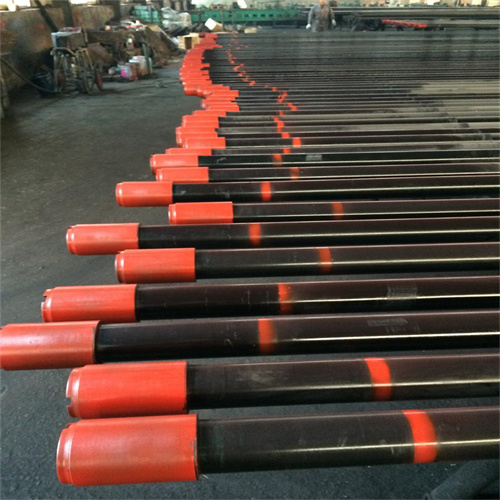
At the heart of oil casing market dynamics is the concept of global demand for oil. As one of the primary components in oil extraction and production, oil casing demand is directly influenced by changes in global oil consumption. When global economies expand, driving up energy demands, the need for oil casing rises as well. Conversely, during economic downturns or shifts towards renewable energy sources, oil consumption may decrease, dampening the demand for new Oil Wells and, consequently, oil casing.
Geopolitical factors also play a significant role in oil casing market fluctuations. Political instability in major oil-producing regions can disrupt supply chains and affect production volumes, leading to uncertainty in the market. Events such as geopolitical tensions, sanctions, or conflicts can cause sudden spikes or drops in oil prices, impacting the economics of oil exploration and production, including the demand for oil casing.
Technological advancements in drilling techniques and oil extraction technologies also influence the oil casing market. innovations that improve the efficiency of oil extraction, such as horizontal drilling or hydraulic fracturing (fracking), can alter the demand patterns for oil casing. These technologies can open up new oil reserves or enhance production rates from existing wells, thereby increasing the demand for casing that can withstand higher pressures and temperatures.
Moreover, environmental regulations and policies aimed at reducing carbon emissions and promoting sustainable energy sources are increasingly sh APIng the oil industry landscape. Shifts towards cleaner energy alternatives, such as solar, wind, and electric vehicles, are impacting long-term projections for oil demand. This transition influences investment decisions in the oil sector, affecting the demand for infrastructure like oil casing.
Market sentiment and investor behavior also contribute to price fluctuations in the oil casing market. Speculative trading, macroeconomic trends, and investor confidence in global economic stability all influence the pricing of commodities like oil and, consequently, oil casing. Perceptions of future oil supply and demand dynamics, as well as expectations regarding economic growth, play crucial roles in determining investment flows into the oil sector.
In addition to these external factors, internal industry dynamics such as production capacity, inventory levels, and operational efficiencies within oil Companies and service providers also impact the oil casing market. Adjustments in supply chain management, technological upgrades, and workforce capabilities can affect the cost structure and pricing strategies within the industry, influencing market prices for oil casing.
In conclusion, the fluctuation of oil casing market prices is a multifaceted phenomenon driven by global demand variations, geopolitical developments, technological innovations, regulatory frameworks, and market dynamics. Stakeholders navigating this complex landscape must consider a broad range of factors to anticipate and respond to price movements effectively. As the global energy landscape continues to evolve, understanding these interconnected forces will be essential for informed decision-making and strategic planning within the oil casing industry.
Geopolitical Instability
The oil casing market, a crucial component of the global energy infrastructure, is deeply influenced by a multitude of factors, with geopolitical instability standing out as a significant driver of price fluctuations. Geopolitical events across the world wield substantial influence over oil prices, impacting both supply chains and investor confidence.
One of the primary ways in which geopolitical instability affects the oil casing market is through its impact on oil-producing regions. Regions prone to political unrest or conflict, such as the Middle East or certain parts of Africa, often experience disruptions in oil production and distribution. These disruptions can lead to supply shortages or uncertainties, prompting fluctuations in the demand for oil casings as producers navigate geopolitical risks.
Furthermore, political tensions between major oil-producing nations can escalate into trade disputes or embargoes, further complicating the supply dynamics of the oil market. For instance, sanctions imposed on oil-producing countries can restrict their ability to export crude oil, affecting the overall demand for oil casings used in drilling and extraction activities.
Investor sentiment also plays a crucial role in responding to geopolitical instability. Uncertain political climates can lead to volatility in financial markets, including commodities like oil and related products such as oil casings. Investors may react to geopolitical events by adjusting their investment strategies, leading to fluctuations in oil casing Prices as market sentiments shift.
Moreover, geopolitical instability can affect global economic growth prospects, influencing the overall demand for oil and thereby impacting the oil casing market. Economic downturns triggered by geopolitical tensions can reduce industrial activity and energy consumption, thereby lowering the demand for oil casings used in new drilling projects or Maintenance of existing wells.
The strategic importance of oil as an energy source further amplifies the impact of geopolitical instability on oil casing prices. Nations heavily dependent on oil imports may face increased costs or supply disruptions during periods of geopolitical turmoil, affecting their energy security and economic stability. This interdependence underscores the interconnected nature of global energy markets and geopolitical events.
Geopolitical risk assessments are therefore integral to understanding and predicting fluctuations in the oil casing market. Analysts and industry experts closely monitor geopolitical developments, assessing their potential implications for oil production, distribution, and market dynamics. By identifying geopolitical hotspots and evaluating their impact on key oil-producing regions, stakeholders can better anticipate and respond to changes in oil casing prices.
In conclusion, while the oil casing market is influenced by various factors, including technological advancements and market demand, geopolitical instability stands out as a pivotal determinant of price fluctuations. From supply disruptions in conflict-prone regions to shifts in investor sentiment and global economic implications, geopolitical events shape the landscape of the oil casing market. As such, stakeholders in the energy sector must remain vigilant in monitoring geopolitical developments to navigate uncertainties and mitigate risks effectively.