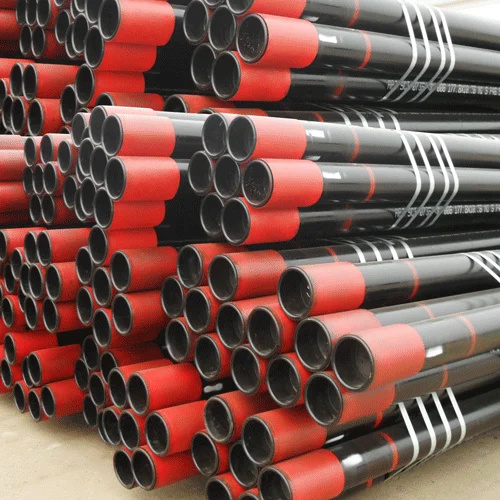
Dynamique de l’offre et de la demande du marché
Événements et actualités géopolitiques
En outre, l’actualité géopolitique peut influencer de manière significative la psychologie du marché et les activités spéculatives. L’anticipation de perturbations potentielles ou de stabilité de l’approvisionnement en pétrole peut conduire à des achats ou à des ventes spéculatifs de boyaux pétroliers, exacerbant ainsi la volatilité des prix. La couverture médiatique et l’analyse des événements géopolitiques amplifient les réactions du marché, ce qui rend les informations opportunes et précises cruciales pour une prise de décision éclairée au sein du secteur.
En plus des événements géopolitiques directs, des facteurs économiques et politiques plus larges exercent également une influence considérable sur les prix du tubage pétrolier. Les indicateurs macroéconomiques tels que la croissance du PIB, les taux d’inflation et les fluctuations monétaires ont un impact sur la demande mondiale d’énergie et les modèles d’investissement dans l’exploration et la production pétrolières. La stabilité politique ou les troubles dans les grandes économies peuvent également affecter les politiques énergétiques et les climats d’investissement, influençant ainsi indirectement la demande de boyaux pétroliers.
drivePipe Meilleur exportateur chinoisEn outre, les changements réglementaires liés aux politiques environnementales et aux transitions énergétiques sont apparus comme des déterminants essentiels de la dynamique du marché. L’accent croissant mis sur les sources d’énergie durables et les objectifs de réduction des émissions de carbone a entraîné une réorientation des investissements vers les technologies d’énergies renouvelables, modifiant potentiellement les perspectives de demande à long terme pour les équipements pétroliers et gaziers tels que les boîtiers. Les réponses géopolitiques aux accords sur le changement climatique et aux politiques énergétiques façonnent davantage le paysage réglementaire, introduisant des incertitudes qui affectent les attentes du marché et les décisions d’investissement.
Naviguer dans la complexité des influences géopolitiques sur le marché du tubage pétrolier nécessite une approche multidimensionnelle qui prend en compte non seulement les événements immédiats, mais aussi les tendances géopolitiques plus larges et leurs implications pour les marchés de l’énergie. Les acteurs de l’industrie doivent se tenir au courant des évolutions géopolitiques, analyser leurs impacts potentiels sur les fondamentaux de l’offre et de la demande et adapter leurs stratégies pour attéNuer les risques et c APItaliser sur les opportunités.
En conclusion, bien que le marché du carter pétrolier soit intrinsèquement influencé par la dynamique de l’offre et de la demande, le Le rôle des événements et de l’actualité géopolitiques ne peut être surestimé. Des tensions géopolitiques et politiques commerciales aux changements réglementaires et aux initiatives climatiques, chaque facteur contribue à la volatilité et à la fluctuation des prix du pétrole. Les parties prenantes du secteur de l’énergie doivent rester vigilantes, agiles et bien informées pour naviguer efficacement dans les complexités du paysage mondial du marché pétrolier.
The Oil Casing market, a critical component of the global energy infrastructure, is highly sensitive to a myriad of factors that influence its Prices and volatility. Among these factors, geopolitical events and news play a pivotal role in shaping market dynamics. Understanding the intricate relationship between geopolitical developments and oil casing Prices is essential for stakeholders across the energy sector.
Geopolitical events encompass a wide range of occurrences, from political decisions and regulatory changes to conflicts and diplomatic relations between nations. Each of these events has the potential to disrupt or stabilize oil markets, thereby impacting the demand for oil casings. For instance, geopolitical tensions in oil-producing regions like the Middle East often lead to concerns over supply disruptions, prompting fluctuations in oil prices and consequently affecting the demand for oilfield equipment such as casings.
The announcement of trade policies and sanctions by major oil-consuming or producing nations can also send ripples through the oil casing market. Policies that restrict or promote oil production and trade influence market sentiment and investment decisions, directly influencing the demand and pricing of oilfield equipment. Investors and Manufacturers closely monitor such developments to anticipate future market trends and adjust their strategies accordingly.
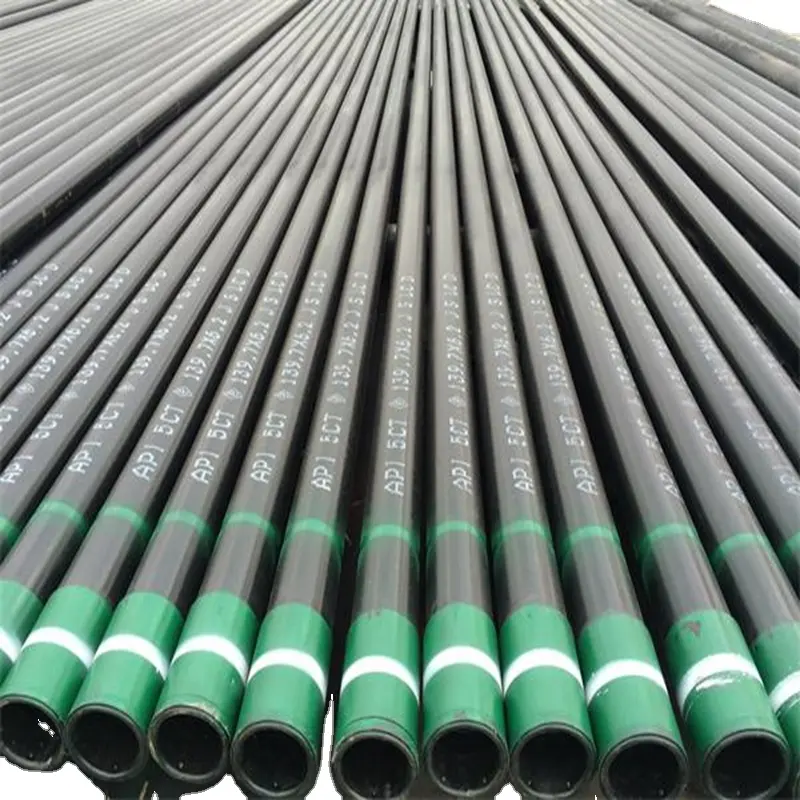
Moreover, geopolitical news can significantly influence market psychology and speculative activities. The anticipation of potential disruptions or stability in oil supply can lead to speculative buying or selling of oil casings, exacerbating price volatility. Media coverage and analysis of geopolitical events amplify market reactions, making timely and accurate information crucial for informed decision-making within the industry.
In addition to direct geopolitical events, broader economic and political factors also exert considerable influence on oil casing prices. Macroeconomic indicators such as GDP growth, inflation rates, and currency fluctuations impact global energy demand and investment patterns in oil exploration and production. Political stability or unrest in major economies can similarly affect energy policies and investment climates, thereby indirectly influencing the demand for oil casings.
drivepipe Best china ExporterFurthermore, regulatory changes related to environmental policies and energy transitions have emerged as critical determinants of market dynamics. Increasing emphasis on sustainable energy sources and carbon reduction goals has prompted shifts in investment towards renewable energy technologies, potentially altering the long-term demand outlook for Oil and Gas equipment like casings. Geopolitical responses to climate change agreements and energy policies further shape the regulatory landscape, introducing uncertainties that affect market expectations and investment decisions.
Navigating the complexities of geopolitical influences on the oil casing market requires a multidimensional approach that considers not only immediate events but also broader geopolitical trends and their implications for energy markets. Industry participants must stay abreast of geopolitical developments, analyze their potential impacts on supply and demand fundamentals, and adapt strategies to mitigate risks and capitalize on opportunities.
In conclusion, while the oil casing market is inherently influenced by supply and demand dynamics, the role of geopolitical events and news cannot be overstated. From geopolitical tensions and trade policies to regulatory changes and climate initiatives, each factor contributes to the volatility and fluctuation of oil casing prices. Stakeholders in the energy sector must remain vigilant, agile, and well-informed to navigate the complexities of the global oil market landscape effectively.