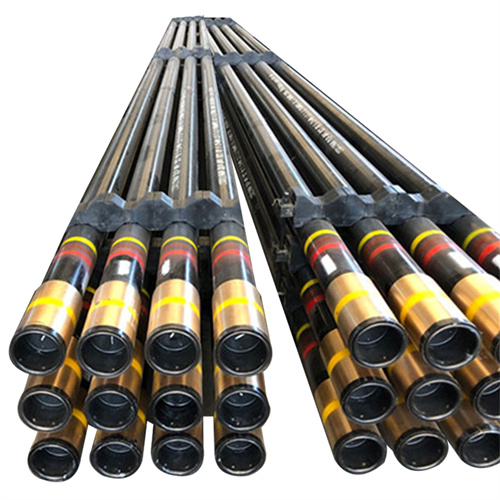
Mahitaji ya Soko na Mienendo ya Ugavi
Matukio na Habari za Kijiografia
Aidha, habari za kijiografia na kisiasa zinaweza kuathiri pakubwa saikolojia ya soko na shughuli za kubahatisha. Matarajio ya uwezekano wa usumbufu au uthabiti katika usambazaji wa mafuta yanaweza kusababisha ununuzi au uuzaji wa kubahatisha wa kabati za mafuta, na hivyo kuzidisha kuyumba kwa bei. Utangazaji wa vyombo vya habari na uchanganuzi wa matukio ya kijiografia na kisiasa huongeza athari za soko, na kufanya taarifa kwa wakati na sahihi kuwa muhimu kwa ajili ya kufanya maamuzi sahihi ndani ya sekta hiyo.
Mbali na matukio ya moja kwa moja ya kisiasa ya kijiografia, mambo mapana ya kiuchumi na kisiasa pia yana ushawishi mkubwa kwenye bei ya mafuta. Viashirio vya uchumi mkuu kama vile ukuaji wa Pato la Taifa, viwango vya mfumuko wa bei, na kushuka kwa thamani ya sarafu huathiri mahitaji ya kimataifa ya nishati na mifumo ya uwekezaji katika utafutaji na uzalishaji wa mafuta. Uthabiti wa kisiasa au machafuko katika mataifa makuu ya uchumi vile vile yanaweza kuathiri sera za nishati na mazingira ya uwekezaji, na hivyo kuathiri kwa njia isiyo ya moja kwa moja mahitaji ya maganda ya mafuta.
drivePipe Best china ExporterAidha, mabadiliko ya udhibiti kuhusiana na sera za mazingira na mabadiliko ya nishati yameibuka kuwa viashiria muhimu vya mienendo ya soko. Kuongezeka kwa msisitizo juu ya vyanzo vya nishati endelevu na malengo ya kupunguza kaboni kumesababisha mabadiliko katika uwekezaji kuelekea teknolojia ya nishati mbadala, ambayo inaweza kubadilisha mtazamo wa muda mrefu wa mahitaji ya vifaa vya mafuta na gesi kama Casings. Majibu ya kijiografia kwa makubaliano ya mabadiliko ya hali ya hewa na sera za nishati yanaunda zaidi mazingira ya udhibiti, na kutambulisha kutokuwa na uhakika ambao huathiri matarajio ya soko na maamuzi ya uwekezaji.
Kuangazia ugumu wa athari za kijiografia kwenye soko la kabati la mafuta kunahitaji mbinu ya pande nyingi ambayo inazingatia sio tu matukio ya haraka lakini pia. mwelekeo mpana wa kijiografia na athari zake kwa masoko ya nishati. Washiriki wa sekta lazima wawe na ufahamu wa maendeleo ya kijiografia, kuchanganua athari zao zinazowezekana katika misingi ya usambazaji na mahitaji, na kurekebisha mikakati ya kupunguza hatari na kutumia fursa. jukumu la matukio ya kijiografia na habari za kijiografia haziwezi kuzidishwa. Kuanzia mivutano ya kijiografia na sera za biashara hadi mabadiliko ya udhibiti na mipango ya hali ya hewa, kila sababu huchangia kuyumba na kushuka kwa bei ya mafuta. Wadau katika sekta ya nishati lazima wabaki macho, wepesi, na wenye ufahamu wa kutosha ili kukabiliana na matatizo ya soko la mafuta duniani kwa ufanisi.
The Oil Casing market, a critical component of the global energy infrastructure, is highly sensitive to a myriad of factors that influence its Prices and volatility. Among these factors, geopolitical events and news play a pivotal role in sh APIng market dynamics. Understanding the intricate relationship between geopolitical developments and oil casing Prices is essential for stakeholders across the energy sector.
Geopolitical events encompass a wide range of occurrences, from political decisions and regulatory changes to conflicts and diplomatic relations between nations. Each of these events has the potential to disrupt or stabilize oil markets, thereby impacting the demand for oil casings. For instance, geopolitical tensions in oil-producing regions like the Middle East often lead to concerns over supply disruptions, prompting fluctuations in oil prices and consequently affecting the demand for oilfield equipment such as casings.
The announcement of trade policies and sanctions by major oil-consuming or producing nations can also send ripples through the oil casing market. Policies that restrict or promote oil production and trade influence market sentiment and investment decisions, directly influencing the demand and pricing of oilfield equipment. Investors and Manufacturers closely monitor such developments to anticipate future market trends and adjust their strategies accordingly.
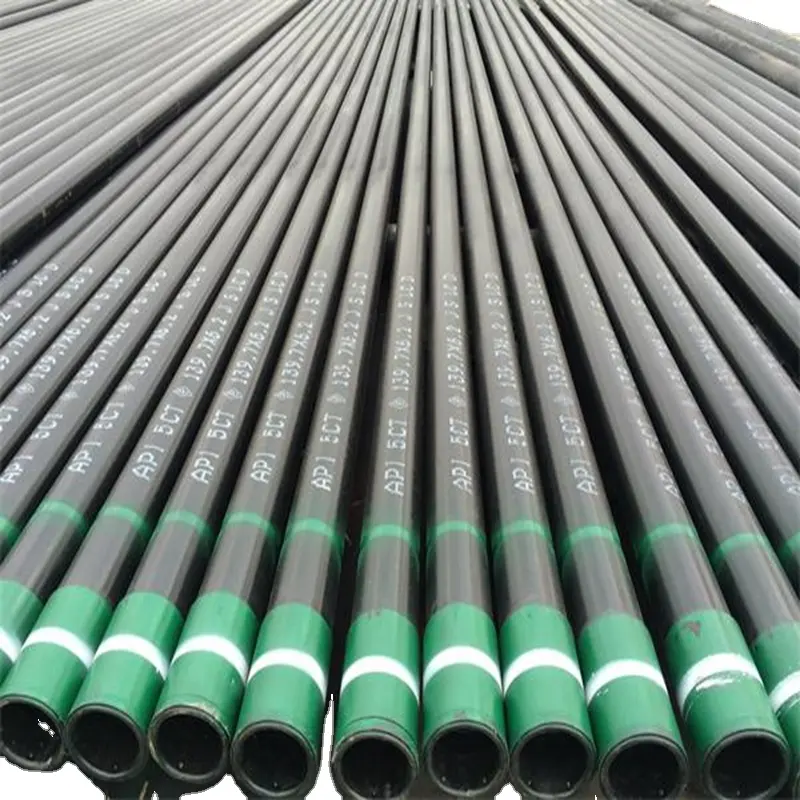
Moreover, geopolitical news can significantly influence market psychology and speculative activities. The anticipation of potential disruptions or stability in oil supply can lead to speculative buying or selling of oil casings, exacerbating price volatility. Media coverage and analysis of geopolitical events amplify market reactions, making timely and accurate information crucial for informed decision-making within the industry.
In addition to direct geopolitical events, broader economic and political factors also exert considerable influence on oil casing prices. Macroeconomic indicators such as GDP growth, inflation rates, and currency fluctuations impact global energy demand and investment patterns in oil exploration and production. Political stability or unrest in major economies can similarly affect energy policies and investment climates, thereby indirectly influencing the demand for oil casings.
drivepipe Best China ExporterFurthermore, regulatory changes related to environmental policies and energy transitions have emerged as critical determinants of market dynamics. Increasing emphasis on sustainable energy sources and carbon reduction goals has prompted shifts in investment towards renewable energy technologies, potentially altering the long-term demand outlook for Oil and Gas equipment like casings. Geopolitical responses to climate change agreements and energy policies further shape the regulatory landscape, introducing uncertainties that affect market expectations and investment decisions.
Navigating the complexities of geopolitical influences on the oil casing market requires a multidimensional approach that considers not only immediate events but also broader geopolitical trends and their implications for energy markets. Industry participants must stay abreast of geopolitical developments, analyze their potential impacts on supply and demand fundamentals, and adapt strategies to mitigate risks and capitalize on opportunities.
In conclusion, while the oil casing market is inherently influenced by supply and demand dynamics, the role of geopolitical events and news cannot be overstated. From geopolitical tensions and trade policies to regulatory changes and climate initiatives, each factor contributes to the volatility and fluctuation of oil casing prices. Stakeholders in the energy sector must remain vigilant, agile, and well-informed to navigate the complexities of the global oil market landscape effectively.