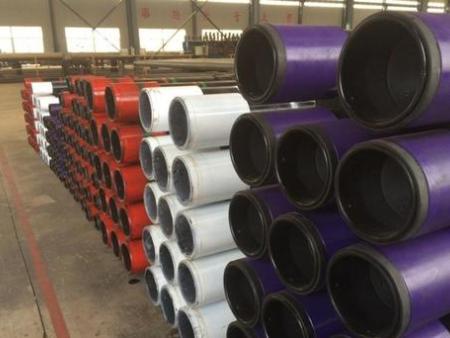
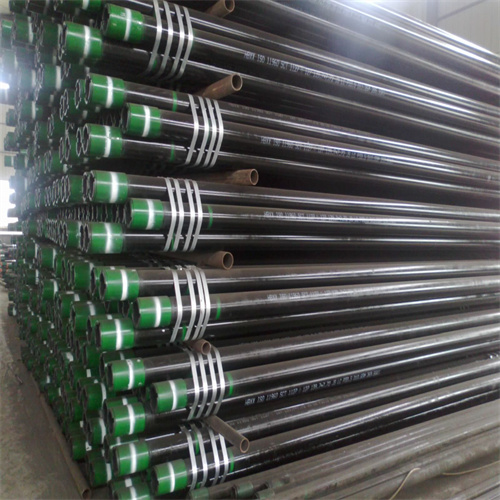
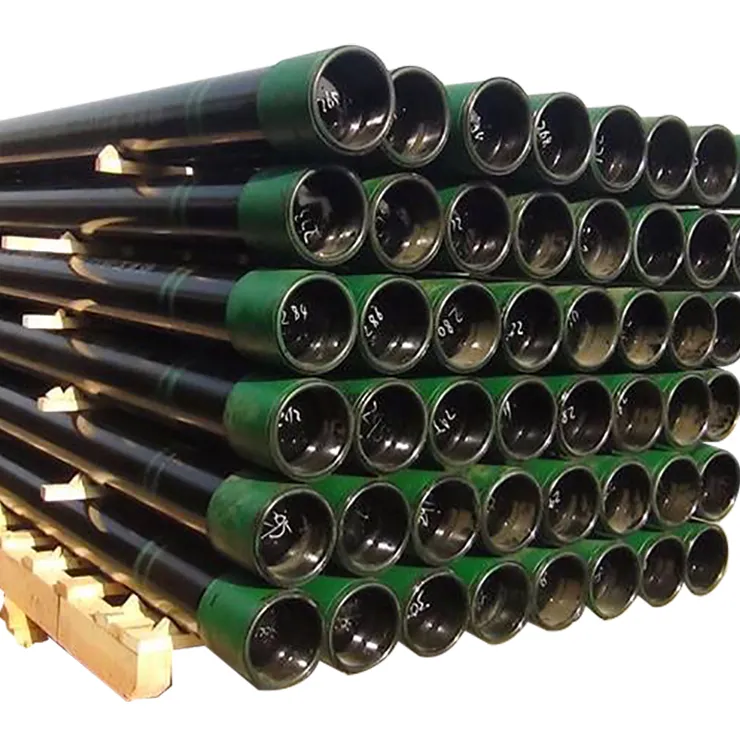
Factors to Consider When Choosing the Right Oil Casing for Gravely Fretting Situations
Choosing the right oil casing for gravely fretting situations is a critical decision in the Petroleum Industry. Oil casing plays a pivotal role in ensuring the integrity and efficiency of Oil Wells, particularly under challenging conditions. Factors such as well depth, pressure, geological formations, and environmental considerations all influence the selection process.
Firstly, the depth of the well is a primary consideration. Deeper wells require casing that can withstand higher pressures and temperatures. Typically, deeper wells necessitate thicker and stronger casings to prevent collapse and maintain structural integrity over time. Engineers meticulously calculate the tensile and compressive strengths required to withstand the immense pressures found deep underground.
Pressure within the wellbore is another crucial factor. oil reservoirs exert substantial pressure on the casing, especially during drilling and production phases. Selecting casing with adequate burst and collapse resistance is imperative to prevent catastrophic failures. High-strength Steel alloys are often used for casing in high-pressure environments to ensure reliability and safety.
Geological formations present unique challenges. Varying formations such as soft shale, hard limestone, or abrasive sandstone require different casing specifications. Engineers must evaluate the corrosiveness, permeability, and stability of these formations to determine the appropriate casing Material and design. Corrosion-resistant alloys may be necessary in corrosive environments to prolong casing life and maintain well integrity.
Environmental considerations extend beyond the wellbore. Factors such as temperature fluctuations, exposure to corrosive substances, and seismic activity can impact casing performance. Climate conditions and geographic location influence material selection and coating options to enhance durability and longevity.
slotted casing PipeFurthermore, the casing design must accommodate the production strategy. Horizontal drilling and hydraulic fracturing techniques have revolutionized oil extraction but require specialized casing configurations. Engineers design Casing strings to facilitate efficient oil recovery while minimizing environmental impact and operational costs.
Cost-effectiveness is a critical aspect of casing selection. While high-performance materials enhance reliability, they also increase upfront costs. Engineers weigh initial investment against long-term benefits, including reduced Maintenance, extended operational life, and improved well productivity.
Regulatory compliance is non-negotiable. Oil casing must meet stringent industry standards and government regulations to ensure environmental protection and worker safety. Compliance with specifications for casing dimensions, material properties, and performance criteria is essential for obtaining permits and maintaining operational integrity.
Finally, reliability and reputation are paramount when selecting a casing Supplier. Established Manufacturers with a track record of delivering high-quality products and excellent customer support inspire confidence. Reputation for timely delivery, technical expertise, and post-sales service enhances project efficiency and minimizes downtime.
In conclusion, choosing the right oil casing for gravely fretting situations demands a meticulous evaluation of numerous factors. From well depth and pressure considerations to geological formations, environmental factors, and regulatory compliance, each aspect influences casing selection. Engineers must balance technical specifications, cost considerations, and supplier reputation to ensure optimal performance and longevity of oil wells. By prioritizing these factors, stakeholders can mitigate risks, maximize efficiency, and achieve sustainable oil production objectives in challenging environments.
How to Ensure Happiness and Trust in Your Oil Casing Selection for Gravely Fretting
Choosing the right oil casing is a critical decision for any oil exploration and production operation. It forms the backbone of well integrity and directly impacts efficiency and safety. The process can be daunting, but by focusing on key considerations, you can ensure both happiness and trust in your selection.
Firstly, consider the geological conditions of the drilling site. Different formations and depths require specific casing properties to withstand pressure and maintain structural integrity. Conduct thorough geological surveys and consult with geologists and engineers to determine the optimal casing specifications. This initial step lays the foundation for a successful drilling operation.
Next, evaluate the mechanical properties of the casing materials. Strength, Corrosion resistance, and elasticity are crucial factors that determine the lifespan and reliability of the casing. Steel alloys are commonly used due to their robustness and ability to withstand harsh drilling environments. Assess the material’s performance under anticipated downhole conditions to mitigate risks and ensure long-term operational stability.
Furthermore, compliance with industry standards and regulations is non-negotiable. Adherence to standards such as API (American Petroleum Institute) ensures that the casing meets rigorous quality and safety requirements. Choosing certified products instills confidence in reliability and performance, reducing operational uncertainties and potential hazards.
Cost-effectiveness plays a pivotal role in decision-making without compromising quality. Evaluate the total lifecycle costs, including installation, maintenance, and operational efficiency. Opting for high-quality casing may involve higher upfront costs but can lead to significant savings over time by minimizing downtime and Repair expenses.
Collaboration with experienced Suppliers and manufacturers is invaluable. Seek partnerships with reputable Companies known for their expertise and reliability in producing casing solutions. Engage in transparent communication regarding your project requirements, timelines, and expectations to foster a collaborative and trust-based relationship.
Moreover, consider the environmental impact of your casing choice. Sustainable practices and materials contribute to reducing carbon footprints and complying with regulatory frameworks. Explore eco-friendly alternatives and practices that align with corporate social responsibility goals while enhancing operational efficiency.
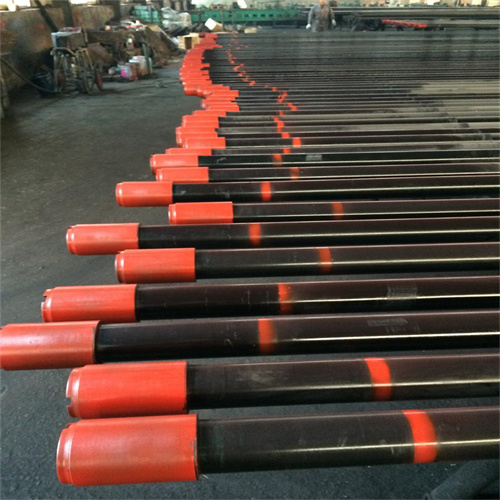
During the selection process, prioritize compatibility with other drilling components and technologies. Integration with wellhead equipment, completion tools, and Cementing processes ensures seamless operations and enhances overall well performance. Compatibility testing and simulation can preemptively identify potential issues and optimize the casing design for maximum efficiency.
Lastly, ongoing monitoring and maintenance are essential for extending casing lifespan and preventing operational disruptions. Implement robust inspection protocols and maintenance schedules to detect early signs of wear, corrosion, or structural defects. Proactive maintenance not only ensures operational continuity but also reinforces trust in the casing’s reliability.
In conclusion, selecting the right oil casing involves meticulous planning, technical expertise, and adherence to industry standards. By prioritizing geological assessment, mechanical properties, compliance, cost-effectiveness, supplier relationships, environmental considerations, compatibility, and maintenance, you can navigate the complexities of casing selection with confidence. Strive for a balanced approach that optimizes performance, mitigates risks, and fosters long-term trust and satisfaction in your oil exploration endeavors.