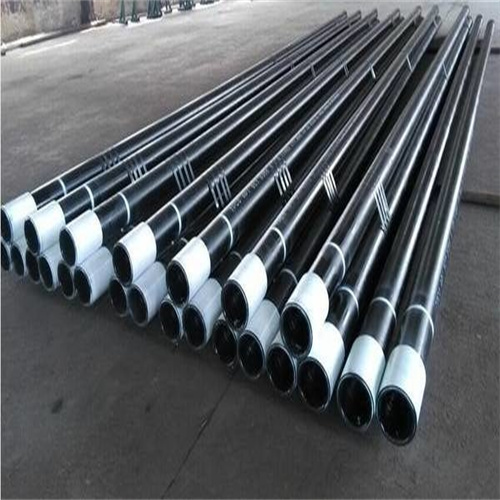
Sustainability Benefits of Green Oil Casing in the Industry:
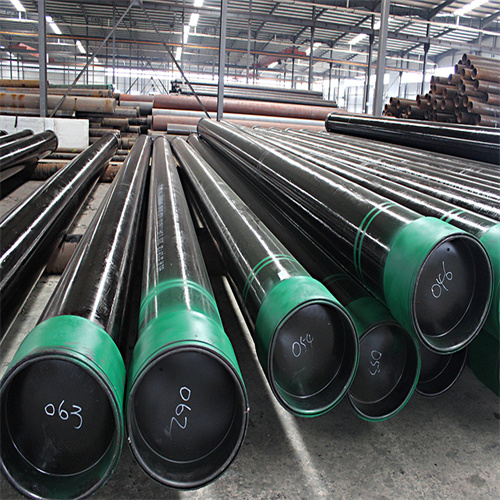
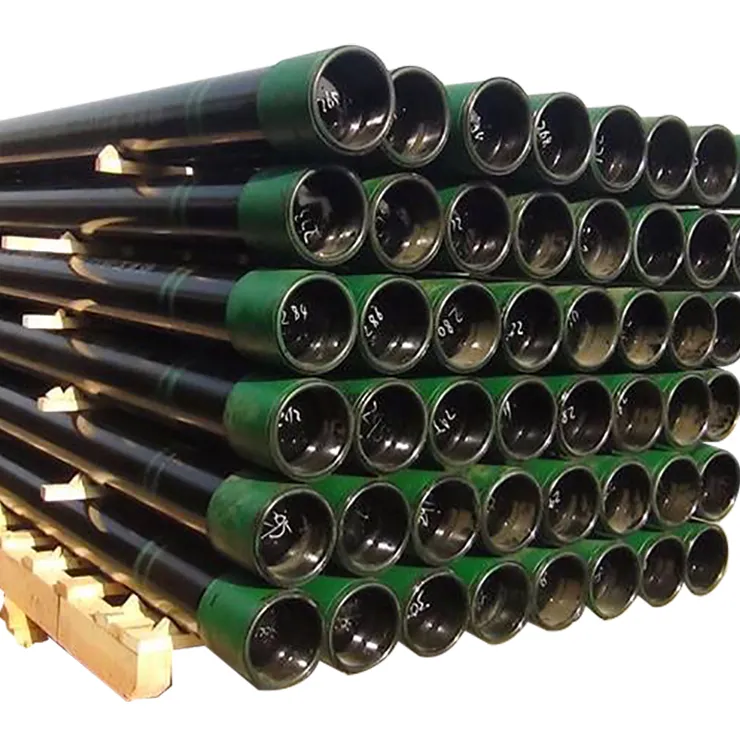
Green oil casing has emerged as a new trend in the development of the industry, offering a range of sustainability benefits that are resh APIng the way oil extraction operations are conducted. This innovative approach to oil casing not only addresses environmental concerns but also contributes to enhancing operational efficiency and reducing the industry’s carbon footprint.
One of the key sustainability benefits of green oil casing lies in its eco-friendly Materials and manufacturing processes. Unlike traditional Oil casing materials that are often derived from non-renewable resources and involve energy-intensive production methods, green oil casing is typically made from recycled materials or sustainable alternatives such as biodegradable polymers. By utilizing these environmentally friendly materials, oil Companies can significantly reduce their reliance on virgin resources and minimize the environmental impact of their operations.
Moreover, green oil casing is designed to enhance the longevity and durability of Oil Wells, thereby reducing the need for frequent replacements and Repairs. This not only leads to cost savings for oil companies but also helps in conserving resources and reducing waste generation. By investing in high-quality, sustainable casing materials, oil companies can improve the overall efficiency and sustainability of their operations while ensuring the long-term integrity of their wells.
hollow section in usa
In addition to its environmental benefits, green oil casing also plays a crucial role in mitigating the industry’s carbon footprint. By adopting sustainable casing practices, oil companies can minimize greenhouse Gas emissions associated with casing production, transportation, and disposal. This proactive approach to reducing carbon emissions aligns with global efforts to combat climate change and promotes a more sustainable future for the Oil and Gas industry.
Furthermore, green oil casing offers improved performance and reliability compared to traditional casing materials. By utilizing advanced technologies and innovative design features, green casing materials can provide better Corrosion resistance, thermal stability, and mechanical strength, ensuring the integrity and efficiency of oil wells in various operating conditions. This enhanced performance not only enhances operational safety but also contributes to the overall sustainability of oil extraction operations.
The adoption of green oil casing is also driving innovation and research in sustainable oilfield practices. Oil companies are increasingly investing in research and development to explore new materials, technologies, and processes that can further enhance the sustainability of oil casing systems. This commitment to innovation is paving the way for the development of more environmentally friendly and efficient solutions that can revolutionize the industry’s approach to oil well Construction and Maintenance.
In conclusion, the rise of green oil casing represents a significant shift towards sustainability in the oil and gas industry. By embracing eco-friendly materials, enhancing operational efficiency, reducing carbon emissions, and driving innovation, green oil casing is not only reshaping the industry’s practices but also setting a new standard for responsible and sustainable oil extraction. As oil companies contiNue to prioritize sustainability in their operations, green oil casing is poised to play a pivotal role in driving positive environmental outcomes and ensuring a more sustainable future for the industry.
– Discuss how the use of green oil casing contributes to environmental sustainability in the oil and gas industry
Green oil casing has emerged as a significant trend in the oil and gas industry, reflecting a growing emphasis on environmental sustainability. This innovative approach involves the use of eco-friendly materials and practices in the production and deployment of oil casings, aiming to reduce the industry’s ecological footprint while maintaining operational efficiency.
One of the key ways in which green oil casing contributes to environmental sustainability is through the use of recycled materials. By incorporating recycled Steel or other environmentally friendly materials in the manufacturing process, companies can minimize the extraction of new resources and reduce waste generation. This not only conserves natural resources but also helps in lowering the overall carbon footprint of the oil and gas sector.
Furthermore, green oil casing is designed to enhance energy efficiency and durability. By utilizing advanced technologies and materials, such as corrosion-resistant coatings and improved insulation, these casings can improve the overall performance of oil wells. This leads to reduced energy consumption during extraction and production processes, ultimately contributing to lower greenhouse gas emissions and operational costs.
In addition to material innovation, the design and deployment of green oil casing also focus on minimizing environmental impact. For instance, companies are exploring ways to optimize casing dimensions and configurations to maximize resource utilization and minimize waste generation. By adopting smarter design practices, such as modular casing systems and efficient installation techniques, the industry can reduce its environmental footprint while maintaining operational effectiveness.
Moreover, the adoption of green oil casing is closely linked to regulatory compliance and corporate social responsibility. As environmental regulations become more stringent and public awareness of sustainability issues grows, oil and gas companies are under increasing pressure to adopt eco-friendly practices. By investing in green technologies and practices, companies can demonstrate their commitment to environmental stewardship and enhance their reputation among stakeholders.
The shift towards green oil casing also presents opportunities for innovation and collaboration within the industry. As companies invest in research and development to improve the sustainability of their operations, new technologies and best practices are being developed. This collaborative approach not only drives industry-wide progress towards environmental sustainability but also fosters a culture of continuous improvement and innovation.

Overall, the adoption of green oil casing represents a positive step towards a more sustainable future for the oil and gas industry. By prioritizing environmental considerations in the design, manufacturing, and deployment of oil casings, companies can reduce their environmental impact, enhance operational efficiency, and meet the evolving expectations of stakeholders. This trend not only benefits the industry itself but also contributes to broader efforts to address climate change and promote sustainable development.