Benefits of Using Advanced Materials in Oil Casing Design for Extreme Environments
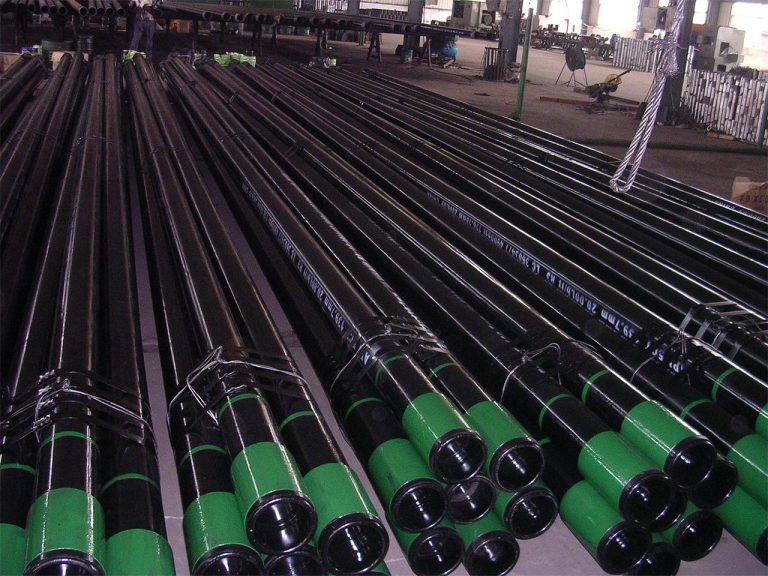
In the challenging realm of oil extraction, where environmental conditions can test the limits of engineering materials, the quest for advanced solutions is relentless. Among the critical components in this pursuit is the oil casing\\u2014a vital barrier that protects the wellbore and ensures the integrity of operations deep beneath the Earth’s surface. Recent advancements in material science have ushered in a new era for oil casing design, promising unprecedented resilience and reliability in even the most extreme environments.
Traditionally, oil casings have been predominantly constructed from Steel alloys due to their strength and durability. However, the demands of modern oil extraction, which often involves high-pressure, high-temperature (HPHT) conditions and corrosive environments, necessitate materials that can withstand these harsh conditions without compromising performance. This is where advanced materials such as corrosion-resistant alloys (CRAs) and high-performance composites have emerged as game-changers.
Corrosion, a persistent challenge in oil extraction, can significantly compromise the structural integrity of conventional steel casings over time. CRAs, specially formulated to resist corrosion from acids, salts, and hydrogen sulfide commonly found in oil reservoirs, offer a longer operational lifespan and reduced Maintenance costs. Their ability to maintain strength and integrity in corrosive environments ensures prolonged wellbore protection and operational reliability.
EVA Bag for 12 Bottle Essential OilMoreover, the development of high-performance composites has introduced a paradigm shift in oil casing design. These materials, often reinforced with carbon fibers or other advanced polymers, exhibit exceptional mechanical properties such as high tensile strength, stiffness, and fatigue resistance. Unlike traditional steel casings, composites are inherently non-corrosive, making them ideal for prolonged use in aggressive downhole conditions.
Beyond their Corrosion resistance, advanced materials also contribute to enhanced operational efficiency and cost-effectiveness. By extending the operational lifespan of oil casings and reducing the frequency of maintenance interventions, operators can achieve significant savings in downtime and operational expenses. This improved reliability translates into higher productivity and profitability in oil extraction operations, particularly in remote or offshore locations where downtime can be prohibitively expensive.
Furthermore, the adoption of advanced materials supports sustainability initiatives within the Oil and Gas industry. By minimizing the need for frequent casing replacements and reducing environmental impacts associated with maintenance activities, operators can achieve a more sustainable footprint without compromising operational integrity.
The integration of advanced materials in oil casing design represents a culmination of rigorous research, innovation, and engineering expertise. It signifies a proactive approach to addressing the challenges posed by extreme downhole conditions while setting new benchmarks for reliability and performance in oil extraction operations worldwide.
Looking ahead, ongoing research contiNues to push the boundaries of material science, aiming to further enhance the properties and capabilities of Oil casing materials. Future developments may include the application of nanotechnology to create self-healing materials or the utilization of biomimetic designs inspired by natural resilience mechanisms.

In conclusion, the evolution of oil casing materials stands as a testament to human ingenuity and determination to conquer the formidable challenges of extreme environments. By harnessing the power of advanced materials, the oil and gas industry not only ensures the sustainability of its operations but also reaffirms its commitment to innovation and excellence in engineering. As technology advances and new frontiers are explored, the role of advanced materials in oil casing design will continue to evolve, driving forward progress and resilience in the face of ever-evolving challenges.