Selecting the Right Material for Vibration-Resistant Oil Casing Anticorrosion: A Comprehensive Guide
Selecting the right material for vibration-resistant oil casing anticorrosion is crucial for ensuring the longevity and efficiency of oil drilling operations in specific application contexts. The choice of material plays a significant role in protecting the oil casing from corrosion and structural damage caused by vibrations during drilling processes. In this comprehensive guide, we will explore the key factors to consider when selecting the most suitable anticorrosion material for oil casing in environments prone to vibration.
One of the primary considerations when choosing an anticorrosion material for oil casing in vibration-prone environments is the material’s resistance to corrosion. Corrosion can weaken the structural integrity of the casing, leading to potential leaks and failures. Therefore, selecting a material with high Corrosion resistance is essential to ensure the long-term performance of the oil casing.
In addition to corrosion resistance, the material’s ability to withstand vibrations is equally important. Vibrations generated during drilling operations can exert significant stress on the oil casing, potentially leading to fatigue failure if the material is not able to dampen or absorb these vibrations effectively. Therefore, choosing a material with excellent vibration resistance properties is critical for ensuring the durability of the oil casing in high-vibration environments.
 Another key factor to consider when selecting an anticorrosion material for oil casing is the compatibility of the material with the specific application context. Different drilling environments may have varying levels of corrosive agents and vibration intensity, requiring different material properties to ensure optimal performance. Conducting a thorough assessment of the environmental conditions and operational requirements is essential to identify the most suitable material for the oil casing.
Furthermore, the mechanical properties of the material, such as strength, ductility, and toughness, should also be taken into account when choosing an anticorrosion material for oil casing. The material should possess the necessary mechanical properties to withstand the stresses and strains imposed during drilling operations, including vibrations, pressure changes, and temperature fluctuations.
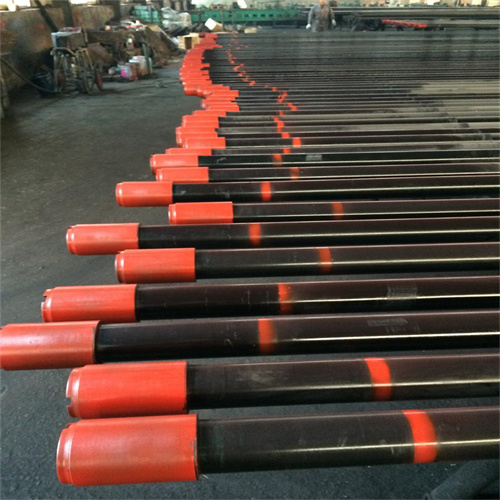
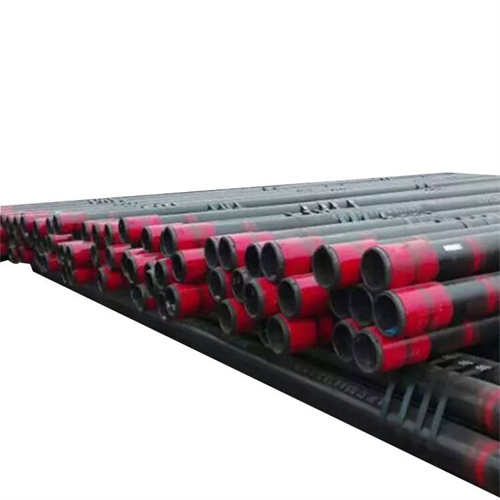
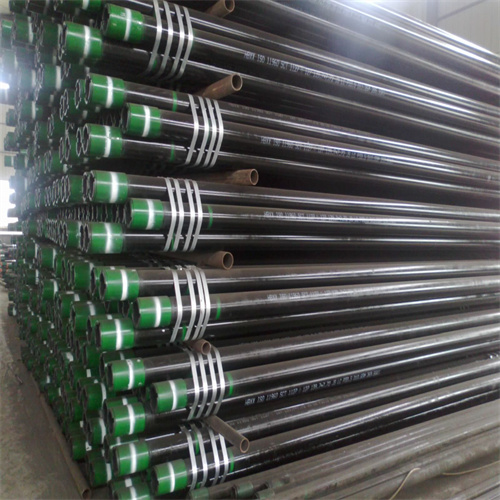
API 5ct l80 CASING cheap Price
Moreover, considering the cost-effectiveness of the material is important when selecting an anticorrosion material for oil casing. While high-performance materials may offer superior corrosion and vibration resistance, they may come at a higher cost. Balancing the performance requirements with the budget constraints is essential to ensure that the cHosen material provides the best value for the investment.
In conclusion, selecting the right material for vibration-resistant oil casing anticorrosion involves a careful evaluation of various factors, including corrosion resistance, vibration resistance, compatibility with the application context, mechanical properties, and cost-effectiveness. By considering these factors comprehensively, oil drilling operators can make an informed decision that ensures the long-term integrity and performance of the oil casing in vibration-prone environments.