石油パイプラインインフラの基礎を探る: はじめに

石油パイプラインは世界のエネルギーインフラの重要な部分であり、原油と精製製品を生産現場から製油所、貯蔵施設、エンドユーザーに輸送します。この記事では、パイプラインの種類、そのコンポーネント、運用を管理する規制など、石油パイプライン インフラストラクチャの基本について説明します。
パイプラインの種類
石油パイプラインは、輸送する製品の種類に応じて分類されます。原油パイプラインは原油を生産現場から製油所に輸送し、精製製品パイプラインはガソリン、ディーゼル、ジェット燃料などの精製製品を製油所から保管施設やエンドユーザーに輸送します。天然ガス パイプラインは、天然ガスを生産現場から貯蔵施設およびエンドユーザーに輸送します。
パイプライン コンポーネント
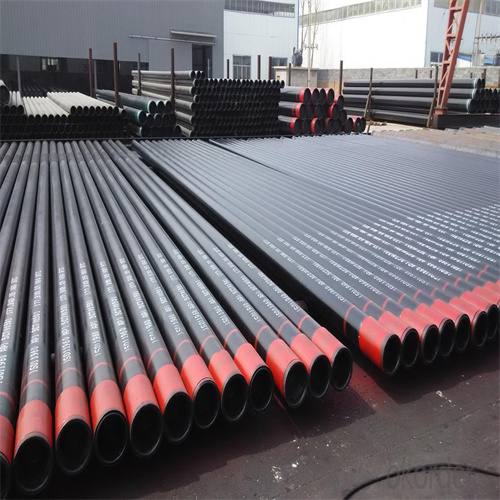
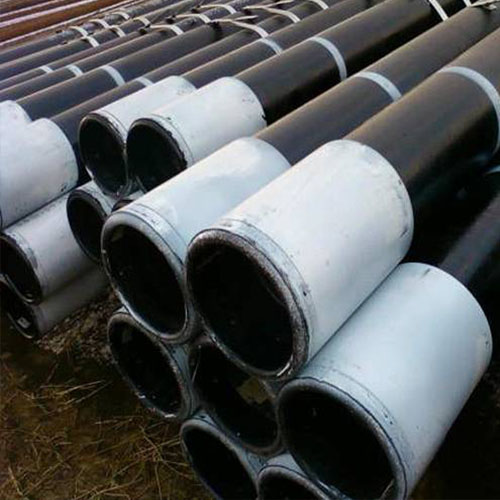
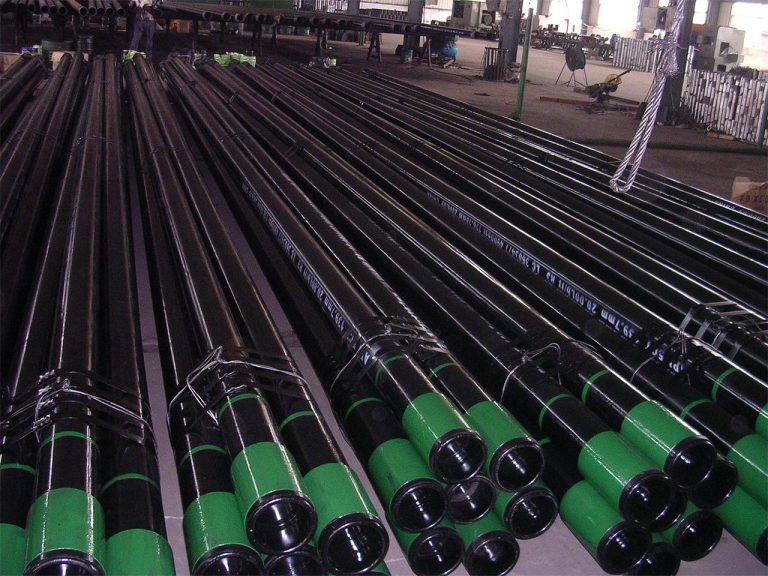
パイプラインは、パイプ自体、バルブ、ポンプ、その他の機器を含むいくつかのコンポーネントで構成されます。パイプは通常鋼鉄でできており、輸送される製品の圧力と温度に耐えるように設計されています。バルブは製品の流れを制御するために使用され、ポンプは製品の圧力を高めてパイプラインを通して移動させるために使用されます。メーターやセンサーなどの他の機器は、製品の流れを監視し、安全な輸送を確保するために使用されます。
規制
パイプラインは、連邦レベルと州レベルの両方でさまざまな規制の対象となります。これらの規制は、パイプラインの安全かつ効率的な運用を確保し、潜在的な流出や漏れから環境を保護することを目的として設計されています。連邦規制はパイプライン危険物安全局 (PHMSA) によって施行され、州規制は州の公益事業委員会によって施行されます。
結論
石油パイプラインは、原油と精製油を輸送する世界のエネルギー インフラストラクチャの重要な部分です。生産現場から製油所、保管施設、エンドユーザーまでの製品。この記事では、パイプラインの種類、そのコンポーネント、運用を管理する規制など、石油パイプライン インフラストラクチャの基本について説明しました。
さまざまな種類の石油パイプラインとその用途を理解する
Petroleum Pipelines are an essential part of the Oil and Gas industry, transporting crude oil and natural gas from production sites to refineries and other processing facilities. There are several different types of pipelines, each with its own unique characteristics and uses.
The first type of pipeline is a gathering pipeline. These pipelines are used to transport crude oil and natural gas from the wellhead to a processing facility. Gathering pipelines are typically short in Length and are made of Steel or plastic.
The second type of pipeline is a transmission pipeline. These pipelines are used to transport crude oil and natural gas from the processing facility to refineries and other end-users. Transmission pipelines are typically much longer than gathering pipelines and are made of steel.
The third type of pipeline is a distribution pipeline. These pipelines are used to transport refined products such as gasoline, diesel, and jet fuel from refineries to end-users. Distribution pipelines are typically shorter than transmission pipelines and are made of steel or plastic.
The fourth type of pipeline is a storage pipeline. These pipelines are used to store crude oil and natural gas in underground reservoirs. Storage pipelines are typically made of steel and are designed to withstand the pressure of the stored product.
Finally, the fifth type of pipeline is a disposal pipeline. These pipelines are used to transport wastewater and other hazardous Materials from production sites to disposal facilities. Disposal pipelines are typically made of steel or plastic and are designed to withstand the pressure of the transported material.
In conclusion, there are five different types of petroleum pipelines, each with its own unique characteristics and uses. Gathering pipelines are used to transport crude oil and natural gas from the wellhead to a processing facility, transmission pipelines are used to transport crude oil and natural gas from the processing facility to refineries and other end-users, distribution pipelines are used to transport refined products from refineries to end-users, storage pipelines are used to store crude oil and natural gas in underground reservoirs, and disposal pipelines are used to transport wastewater and other hazardous materials from production sites to disposal facilities.