استكشاف أساسيات البنية التحتية لخطوط أنابيب البترول: مقدمة

تعد خطوط أنابيب النفط جزءًا أساسيًا من البنية التحتية العالمية للطاقة، حيث تنقل النفط الخام والمنتجات المكررة من مواقع الإنتاج إلى المصافي ومرافق التخزين والمستخدمين النهائيين. توفر هذه المقالة مقدمة لأساسيات البنية التحتية لخطوط أنابيب البترول، بما في ذلك أنواع خطوط الأنابيب ومكوناتها واللوائح التي تحكم تشغيلها.
أنواع خطوط الأنابيب
يتم تصنيف خطوط أنابيب البترول وفقًا لنوع المنتج الذي تنقله. تنقل خطوط أنابيب النفط الخام النفط الخام من مواقع الإنتاج إلى المصافي، بينما تنقل خطوط أنابيب المنتجات المكررة المنتجات المكررة مثل البنزين والديزل ووقود الطائرات من المصافي إلى مرافق التخزين والمستخدمين النهائيين. تنقل خطوط أنابيب الغاز الطبيعي الغاز الطبيعي من مواقع الإنتاج إلى مرافق التخزين والمستخدمين النهائيين.
مكونات خطوط الأنابيب
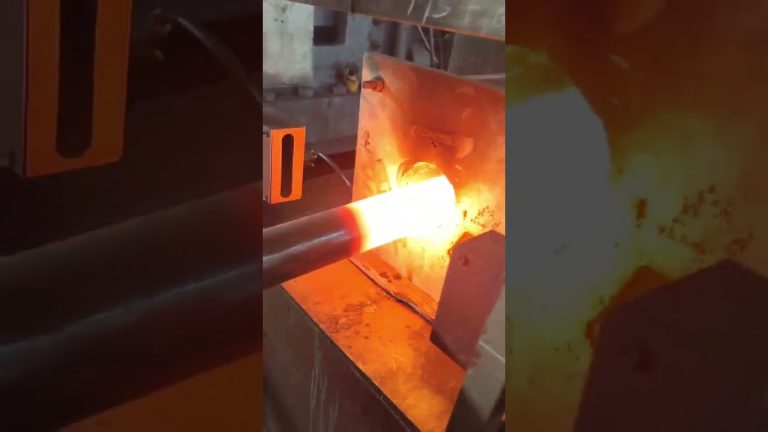
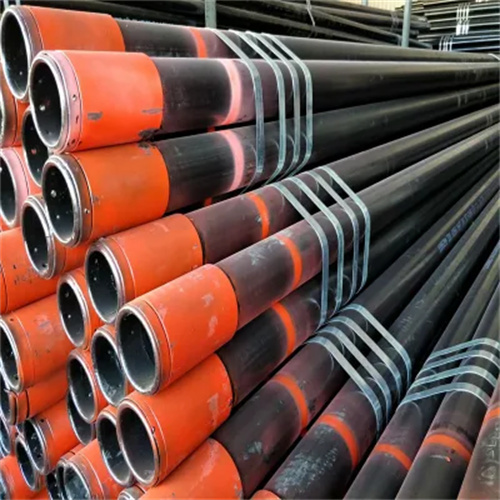
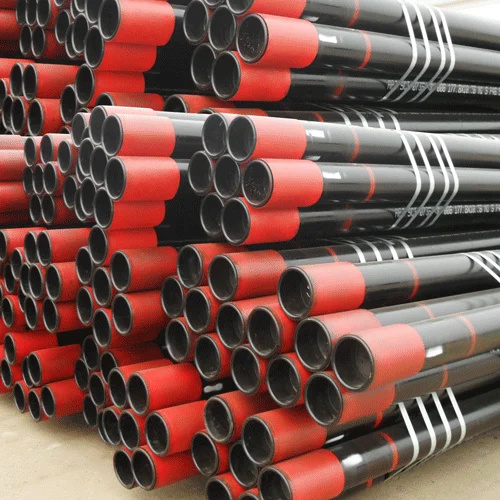
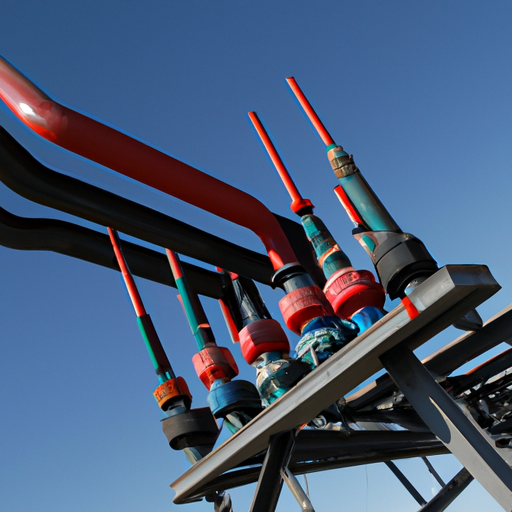
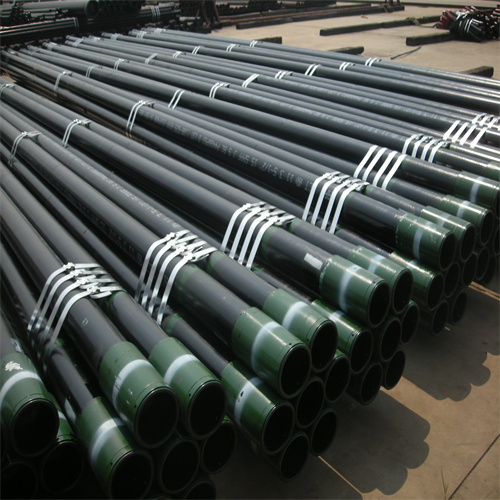
تتكون خطوط الأنابيب من عدة مكونات، بما في ذلك الأنبوب نفسه والصمامات والمضخات وغيرها من المعدات. عادة ما يكون الأنبوب مصنوعًا من الفولاذ ومصمم لتحمل ضغط ودرجة حرارة المنتج الذي يتم نقله. تستخدم الصمامات للتحكم في تدفق المنتج، بينما تستخدم المضخات لزيادة ضغط المنتج وتحريكه عبر خط الأنابيب. يتم استخدام معدات أخرى، مثل العدادات وأجهزة الاستشعار، لمراقبة تدفق المنتج وضمان نقله الآمن.
اللوائح
تخضع خطوط الأنابيب لمجموعة متنوعة من اللوائح، سواء على المستوى الفيدرالي أو على مستوى الولاية. تم تصميم هذه اللوائح لضمان التشغيل الآمن والفعال لخط الأنابيب، فضلاً عن حماية البيئة من أي انسكابات أو تسربات محتملة. يتم فرض اللوائح الفيدرالية من قبل إدارة سلامة خطوط الأنابيب والمواد الخطرة (PHMSA)، بينما يتم فرض لوائح الولاية من قبل لجنة المرافق العامة بالولاية.
الاستنتاج
تعد خطوط أنابيب النفط جزءًا أساسيًا من البنية التحتية العالمية للطاقة، حيث تنقل النفط الخام والمكرر. المنتجات من مواقع الإنتاج إلى المصافي ومرافق التخزين والمستخدمين النهائيين. قدمت هذه المقالة مقدمة لأساسيات البنية التحتية لخطوط أنابيب البترول، بما في ذلك أنواع خطوط الأنابيب ومكوناتها واللوائح التي تحكم تشغيلها.
فهم الأنواع المختلفة لخطوط أنابيب البترول واستخداماتها
Petroleum Pipelines are an essential part of the Oil and Gas industry, transporting crude oil and natural gas from production sites to refineries and other processing facilities. There are several different types of pipelines, each with its own unique characteristics and uses.
The first type of pipeline is a gathering pipeline. These pipelines are used to transport crude oil and natural gas from the wellhead to a processing facility. Gathering pipelines are typically short in Length and are made of Steel or plastic.
The second type of pipeline is a transmission pipeline. These pipelines are used to transport crude oil and natural gas from the processing facility to refineries and other end-users. Transmission pipelines are typically much longer than gathering pipelines and are made of steel.
The third type of pipeline is a distribution pipeline. These pipelines are used to transport refined products such as gasoline, diesel, and jet fuel from refineries to end-users. Distribution pipelines are typically shorter than transmission pipelines and are made of steel or plastic.
The fourth type of pipeline is a storage pipeline. These pipelines are used to store crude oil and natural gas in underground reservoirs. Storage pipelines are typically made of steel and are designed to withstand the pressure of the stored product.
Finally, the fifth type of pipeline is a disposal pipeline. These pipelines are used to transport wastewater and other hazardous Materials from production sites to disposal facilities. Disposal pipelines are typically made of steel or plastic and are designed to withstand the pressure of the transported material.
In conclusion, there are five different types of petroleum pipelines, each with its own unique characteristics and uses. Gathering pipelines are used to transport crude oil and natural gas from the wellhead to a processing facility, transmission pipelines are used to transport crude oil and natural gas from the processing facility to refineries and other end-users, distribution pipelines are used to transport refined products from refineries to end-users, storage pipelines are used to store crude oil and natural gas in underground reservoirs, and disposal pipelines are used to transport wastewater and other hazardous materials from production sites to disposal facilities.