オイルケーシングの技術在庫管理が直面する課題
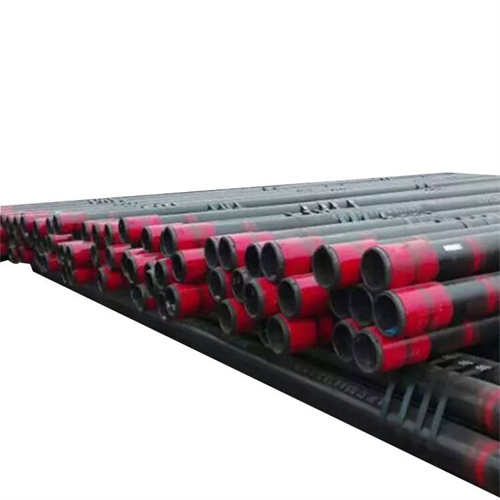
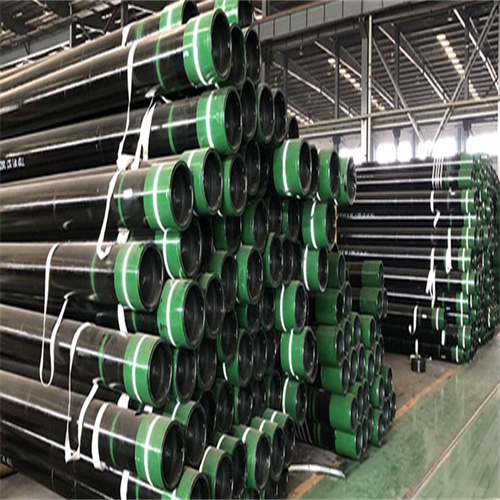
進歩の状況に応じてオイルケーシングの技術在庫を管理することは、業界にとって大きな課題となっています。技術が進歩するにつれて、オイルケーシング部品の在庫管理に伴う複雑さはさらに顕著になってきています。この分野で直面する主な課題の 1 つは、さまざまなコンポーネントの正確な追跡と監視の必要性です。オイルケーシングの技術在庫は複雑な性質を持っているため、必要なときに適切なコンポーネントを確実に利用できるように、細部にまで細心の注意を払う必要があります。
さらに、石油およびガス産業の動的な性質により、在庫管理がさらに複雑になっています。市場の需要の変動、掘削技術の進化、規制要件の変化はすべて、オイルケーシングの技術在庫の管理を複雑化させています。その結果、この分野で事業を展開する企業は、時代の先を行くために在庫管理戦略を常に適応させる必要があります。
オイルケーシングの技術在庫を管理する際のもう 1 つの重要な課題は、陳腐化のリスクです。テクノロジーの急速な進歩により、古いコンポーネントはすぐに時代遅れになり、在庫の非効率性とコストの増加につながる可能性があります。必須コンポーネントの適切な供給を維持する必要性と陳腐化のリスクとのバランスをとることは、在庫管理者にとって重大なジレンマを引き起こします。
さらに、石油およびガス産業のグローバルな性質により、在庫管理はさらに複雑になります。企業は多くの場合、さまざまなサプライチェーンの力学、規制の枠組み、物流上の課題を抱えた複数の地域で事業を展開しています。地域の規制を確実に遵守しながら、さまざまな場所にまたがる在庫管理慣行を調整するには、高レベルの調整とコミュニケーションが必要です。
ダウンホールスクレーパー
結論として、進捗状況に応じてオイルケーシングの技術在庫を管理することは、業界の関係者にとって無数の課題をもたらします。コンポーネントの追跡と監視から、市場力学や規制要件への対処に至るまで、在庫管理者は複雑な状況を乗り越えて運用効率と費用対効果を確保する必要があります。これらの課題に積極的に対処し、技術の進歩を活用することで、企業は在庫管理プロセスを合理化し、進化し続ける業界環境で競争力を維持できます。
オイルケーシング技術の進歩における在庫管理の課題への影響と対応
オイルケーシングの技術的な在庫管理の課題の進展は、業界内に重大な影響と反響をもたらしました。技術の進歩に伴い、オイルケーシング部門の在庫管理は複雑さを増しています。これらの課題は、業務効率に影響を与えるだけでなく、さまざまなレベルでの意思決定プロセスにも影響を与えています。
これらの在庫管理課題の主な影響の 1 つは、強化された追跡および監視システムの必要性です。ケーシングの種類、サイズ、仕様が多岐にわたるため、正確な在庫記録を維持することが重要になっています。 RFID や IoT センサーなどの高度な追跡テクノロジーの導入により、在庫管理プロセスの合理化が実現しました。これらのテクノロジーは、在庫レベル、場所、状態に関するリアルタイムのデータを提供し、企業が情報に基づいた意思決定を迅速に行えるようにします。
さらに、オイルケーシングの技術進歩に伴う性質の進化により、特殊な在庫管理ソフトウェアに対する需要が増加しています。従来の在庫システムでは、現代の筐体の材質や設計の複雑さに対処するにはもはや十分ではありません。既存の ERP システムと統合されるカスタマイズされたソフトウェア ソリューションは、在庫の追跡、発注、補充を効率的に行うために不可欠なものとなっています。
これらの課題に対応して、オイルケーシング会社は、最新の在庫管理手法について自社のスタッフを教育するためのトレーニング プログラムへの投資を開始しました。従業員に必要なスキルと知識を提供することで、企業は在庫の精度を向上させ、エラーを減らし、全体的な業務効率を向上させることができます。トレーニング プログラムは、従業員が新しいテクノロジーやプロセスに適応するのにも役立ち、システム アップグレード時のスムーズな移行を保証します。
さらに、業界では、協調的な在庫管理アプローチへの移行が見られます。在庫データを共有し、保管スペースを最適化し、コストを削減するために、企業はますますパートナーシップや提携を結んでいます。共同の取り組みにより、在庫の可視性が向上するだけでなく、業界関係者間のイノベーションと知識の共有も促進されます。
オイルケーシングの技術進歩における在庫管理の課題に対するもう 1 つの重要な反応は、持続可能性と環境責任の強調です。企業は現在、過剰在庫を削減し、無駄を最小限に抑え、環境に優しい業務を実践することに重点を置いています。持続可能な在庫管理戦略を採用することで、企業は環境フットプリントを削減するだけでなく、評判を向上させ、環境に配慮した顧客を引きつけることができます。
結論として、オイルケーシングの技術進歩における在庫管理の課題の影響は大きく、業界関係者は適応する必要があります。そして継続的に革新します。高度な追跡技術を採用し、特殊なソフトウェア ソリューションに投資し、従業員にトレーニングを提供し、コラボレーションを促進し、持続可能性を優先することにより、企業はこれらの課題に効果的に対処し、ダイナミック オイル ケーシング分野で優れた運用を推進することができます。
Progressions in Oil Casing technical inventory management challenges have brought about significant effects and reactions within the industry. As technology advances, the complexities of managing inventory in the oil casing sector have increased. These challenges have not only impacted operational efficiency but have also influenced decision-making processes at various levels.
One of the primary effects of these inventory management challenges is the need for enhanced tracking and monitoring systems. With a wide range of casing types, sizes, and specifications, maintaining accurate inventory records has become crucial. The introduction of advanced tracking technologies, such as RFID and IoT sensors, has helped streamline the inventory management process. These technologies provide real-time data on inventory levels, locations, and conditions, enabling Companies to make informed decisions quickly.
Moreover, the evolving nature of oil casing technical progressions has led to increased demand for specialized inventory management software. Traditional inventory systems are no longer sufficient to handle the complexities of modern casing Materials and designs. Customized software solutions that integrate with existing ERP systems have become essential for efficient inventory tracking, ordering, and replenishment.
In response to these challenges, oil casing companies have started investing in training programs to educate their staff on the latest inventory management practices. By equipping employees with the necessary skills and knowledge, companies can improve inventory accuracy, reduce errors, and enhance overall operational efficiency. Training programs also help employees adapt to new technologies and processes, ensuring Smooth transitions during system upgrades.
Furthermore, the industry has witnessed a shift towards collaborative inventory management approaches. Companies are increasingly forming partnerships and alliances to share inventory data, optimize storage space, and reduce costs. Collaborative efforts not only improve inventory visibility but also foster innovation and knowledge sharing among industry players.
Another significant reaction to inventory management challenges in oil casing technical progressions is the emphasis on sustainability and environmental responsibility. Companies are now focusing on reducing excess inventory, minimizing waste, and implementing eco-friendly practices in their operations. By adopting sustainable inventory management strategies, companies can not only reduce their environmental footprint but also improve their reputation and attract environmentally conscious customers.
In conclusion, the impact of inventory management challenges in oil casing technical progressions is profound, requiring industry players to adapt and innovate continuously. By embracing advanced tracking technologies, investing in specialized software solutions, providing training to employees, fostering collaboration, and prioritizing sustainability, companies can effectively address these challenges and drive operational excellence in the dynamic oil casing sector.