Challenges Faced in Managing Oil Casing technical Inventory in Progressions
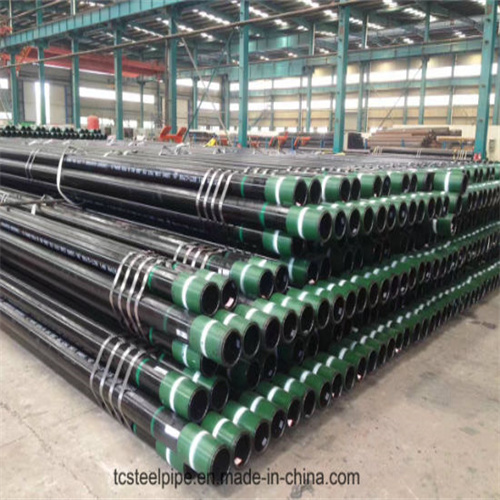
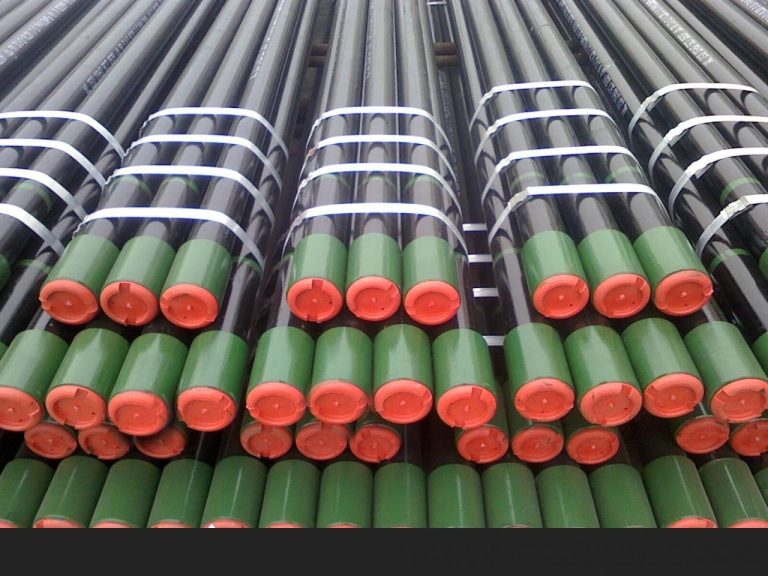
Managing oil casing technical inventory in the context of progressions has posed significant challenges for the industry. The complexities involved in overseeing the inventory of oil casing components have become more pronounced as technology advances. One of the primary challenges faced in this domain is the need for precise tracking and monitoring of various components. The intricate nature of oil casing technical inventory demands meticulous attention to detail to ensure that the right components are available when needed.
Moreover, the dynamic nature of the Oil and Gas industry further complicates inventory management. Fluctuating market demands, evolving drilling techniques, and changing regulatory requirements all contribute to the complexity of managing oil casing technical inventory. As a result, Companies operating in this sector must constantly adapt their inventory management strategies to stay ahead of the curve.
Another key challenge in managing oil casing technical inventory is the risk of obsolescence. With r APId advancements in technology, older components can quickly become outdated, leading to inventory inefficiencies and increased costs. Balancing the need to maintain an adequate supply of essential components with the risk of obsolescence poses a significant dilemma for inventory managers.
Furthermore, the global nature of the oil and gas industry adds another layer of complexity to inventory management. Companies often operate in multiple regions with varying supply chain dynamics, regulatory frameworks, and logistical challenges. Coordinating inventory management practices across different locations while ensuring compliance with local regulations requires a high level of coordination and communication.
downhole Scraper
In addition to these challenges, the issue of data management and integration also emerges as a critical concern in oil casing technical inventory management. The sheer volume of data generated by inventory tracking systems, coupled with the need to integrate this data with other operational systems, presents a formidable challenge for industry players. Ensuring data accuracy, consistency, and accessibility is essential for making informed inventory management decisions.
Moreover, the increasing focus on sustainability and environmental responsibility in the oil and gas sector has prompted companies to reevaluate their inventory management practices. Implementing sustainable inventory management strategies, such as reducing waste and optimizing resource utilization, has become a priority for many organizations seeking to minimize their environmental footprint.
In conclusion, managing oil casing technical inventory in the context of progressions presents a myriad of challenges for industry stakeholders. From tracking and monitoring components to navigating market dynamics and regulatory requirements, inventory managers must navigate a complex landscape to ensure operational efficiency and cost-effectiveness. By addressing these challenges proactively and leveraging technological advancements, companies can streamline their inventory management processes and stay competitive in an ever-evolving industry landscape.
Impact and Responses to Inventory Management Challenges in Oil Casing Technical Progressions
Progressions in oil casing technical inventory management challenges have brought about significant effects and reactions within the industry. As technology advances, the complexities of managing inventory in the oil casing sector have increased. These challenges have not only impacted operational efficiency but have also influenced decision-making processes at various levels.
One of the primary effects of these inventory management challenges is the need for enhanced tracking and monitoring systems. With a wide range of casing types, sizes, and specifications, maintaining accurate inventory records has become crucial. The introduction of advanced tracking technologies, such as RFID and IoT sensors, has helped streamline the inventory management process. These technologies provide real-time data on inventory levels, locations, and conditions, enabling companies to make informed decisions quickly.
Moreover, the evolving nature of oil casing technical progressions has led to increased demand for specialized inventory management software. Traditional inventory systems are no longer sufficient to handle the complexities of modern casing Materials and designs. Customized software solutions that integrate with existing ERP systems have become essential for efficient inventory tracking, ordering, and replenishment.
In response to these challenges, oil casing companies have started investing in training programs to educate their staff on the latest inventory management practices. By equipping employees with the necessary skills and knowledge, companies can improve inventory accuracy, reduce errors, and enhance overall operational efficiency. Training programs also help employees adapt to new technologies and processes, ensuring Smooth transitions during system upgrades.
Furthermore, the industry has witnessed a shift towards collaborative inventory management approaches. Companies are increasingly forming partnerships and alliances to share inventory data, optimize storage space, and reduce costs. Collaborative efforts not only improve inventory visibility but also foster innovation and knowledge sharing among industry players.
Another significant reaction to inventory management challenges in oil casing technical progressions is the emphasis on sustainability and environmental responsibility. Companies are now focusing on reducing excess inventory, minimizing waste, and implementing eco-friendly practices in their operations. By adopting sustainable inventory management strategies, companies can not only reduce their environmental footprint but also improve their reputation and attract environmentally conscious customers.
In conclusion, the impact of inventory management challenges in oil casing technical progressions is profound, requiring industry players to adapt and innovate continuously. By embracing advanced tracking technologies, investing in specialized software solutions, providing training to employees, fostering collaboration, and prioritizing sustainability, companies can effectively address these challenges and drive operational excellence in the dynamic oil casing sector.