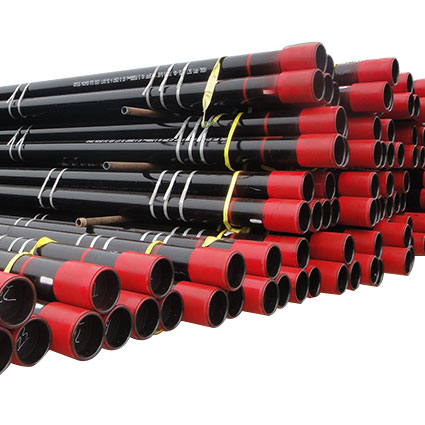
Effective Techniques for Using Casing to Improve Oil Extraction
Let this superb casing remedy your oil extraction predicaments.
API casing hydrotest pressureEffective Techniques for Using Casing to Improve Oil Extraction

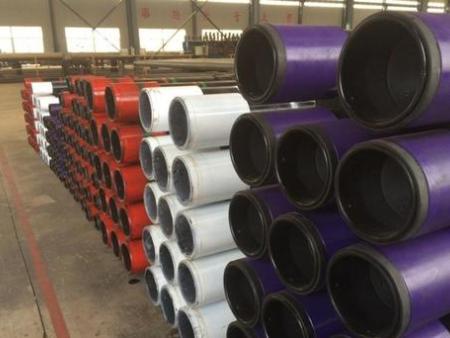
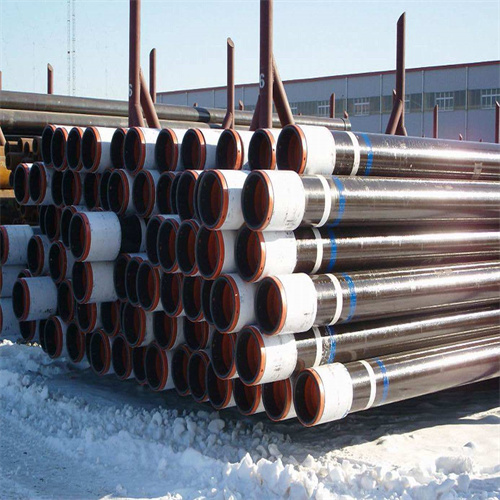
Oil extraction is a complex process that requires precise techniques to maximize efficiency and yield. One of the crucial components in this process is casing, which plays a significant role in maintaining well integrity and optimizing production. Casing refers to the Steel Pipe segments inserted into an Oil Well to prevent collapse and provide a pathway for extracting Oil and Gas from the reservoir to the surface.
In the realm of oil extraction, the application of casing involves several effective techniques aimed at enhancing the overall process. Firstly, selecting the appropriate casing size and type is paramount. This decision hinges on various factors, including the geological characteristics of the reservoir, the anticipated pressure levels, and the depth of the well. Engineers meticulously analyze these variables to determine the optimal casing specifications that will ensure the integrity of the well while facilitating efficient oil recovery.
Once the casing specifications are determined, the next crucial step involves the installation process. Casing must be installed with precision to withstand the immense pressures and temperatures found deep within the earth. Specialized equipment and techniques are employed to cement the casing securely into place, forming a barrier that prevents any potential Leakage of oil or gas into surrounding formations. Proper installation not only enhances safety but also contributes to the longevity and productivity of the well.
Furthermore, effective zonal isolation is another critical aspect of casing utilization. Zonal isolation refers to the process of preventing fluid migration between different geological zones within the reservoir. This is achieved by placing cement barriers at strategic intervals along the Casing string. These barriers not only enhance the structural integrity of the well but also mitigate the risk of cross-contamination between different layers of the reservoir, thereby optimizing production efficiency.
Moreover, advanced technologies such as casing liners and expandable casing have revolutionized the field of oil extraction. Casing liners are smaller Diameter casings inserted inside existing casings to address specific challenges such as unstable formations or wellbore obstructions. They provide additional support and reinforcement without the need for extensive drilling operations. Similarly, expandable casing technology allows casings to be expanded in situ, adapting to the changing conditions within the wellbore and enhancing overall reliability and performance.
In addition to technological advancements, the Maintenance of casing integrity throughout the lifespan of the well is crucial. Regular inspections and integrity tests are conducted to detect any signs of corrosion, wear, or damage that could compromise the performance of the casing. Prompt remedial actions, such as casing Repair or replacement, ensure contiNued operational efficiency and minimize downtime associated with maintenance activities.
Furthermore, the role of casing extends beyond structural support to encompass environmental considerations as well. Casing serves as a protective barrier that prevents the escape of oil, gas, or other fluids into the surrounding environment, thus minimizing the risk of environmental contamination. Stringent regulations and industry standards govern the design, installation, and maintenance of casing to ensure compliance with environmental stewardship principles and promote sustainable oil extraction practices.
In conclusion, the effective utilization of casing is paramount in optimizing oil extraction operations. From selecting the right specifications to meticulous installation and ongoing maintenance, each step plays a crucial role in enhancing well integrity, maximizing production efficiency, and ensuring environmental protection. As technological advancements continue to evolve, so too will the techniques and applications of casing in the dynamic field of oil extraction. By adhering to best practices and embracing innovation, oil producers can navigate challenges and capitalize on opportunities to extract resources responsibly and efficiently.