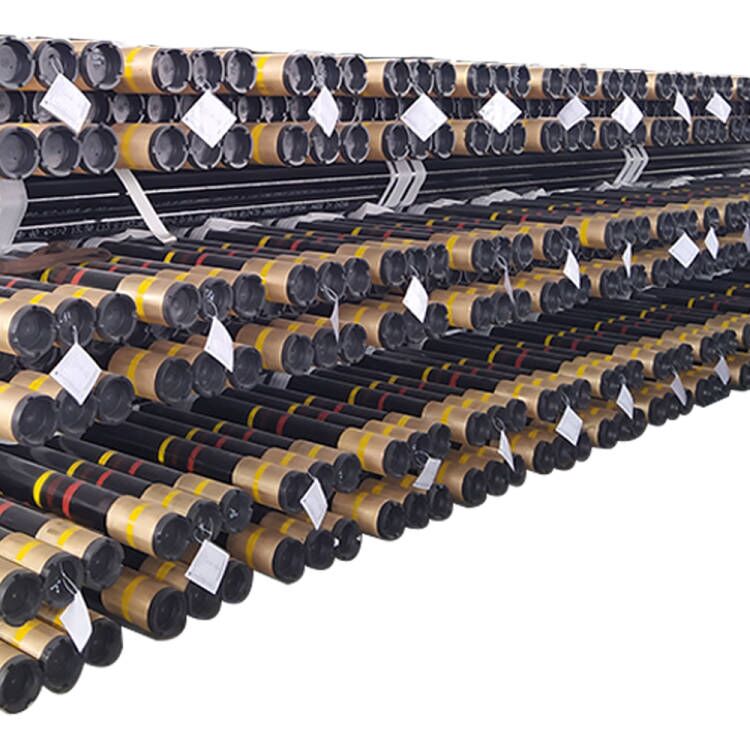
Modifications in Oil Casing technical Advanced Manufacturing and innovation Impacts: Ramifications and Responses
The Oil and Gas industry has witnessed significant transformations in recent years, particularly in the realm of oil casing technical advanced manufacturing and innovation. These changes have not only revolutionized the way oil casing is produced but have also had far-reaching impacts on the industry as a whole. As new technologies emerge and existing processes are refined, it is crucial for stakeholders to understand the ramifications of these modifications and adapt their strategies accordingly.
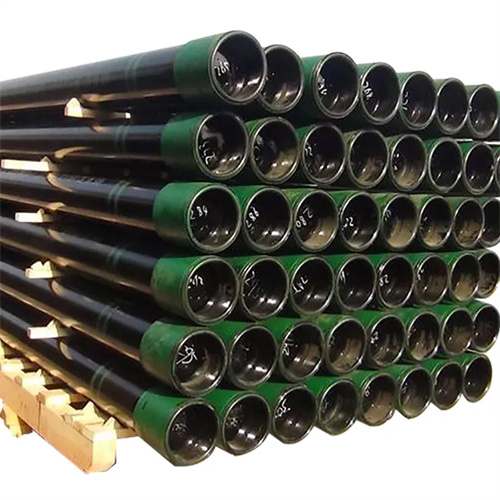
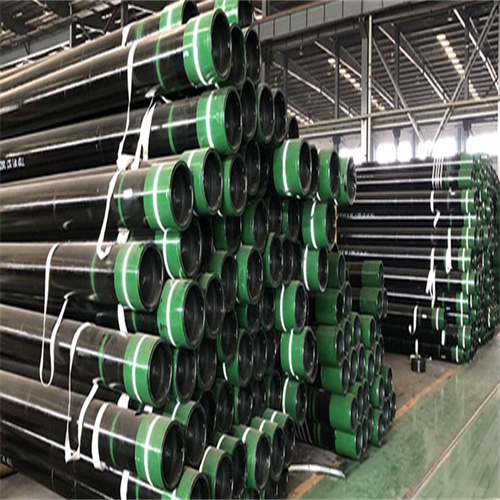
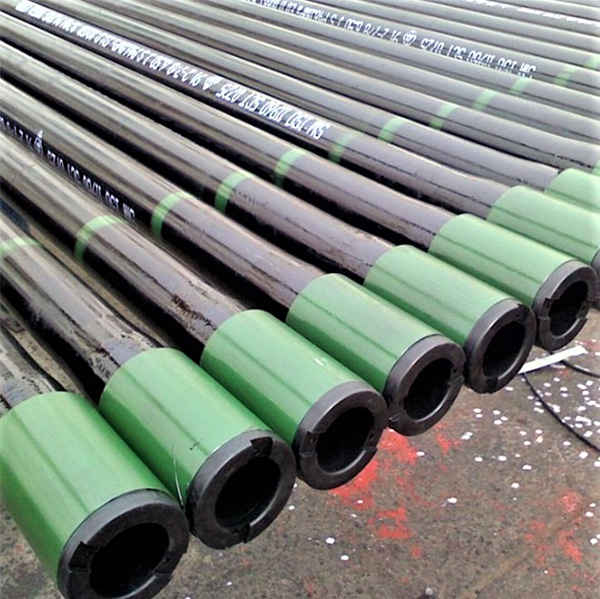
wholesale Essential oil cases
One of the key drivers behind the advancements in oil casing manufacturing is the integration of cutting-edge technologies such as automation, robotics, and data analytics. These technologies have enabled Manufacturers to enhance the efficiency and precision of their production processes, leading to higher quality products and reduced lead times. By automating repetitive tasks and leveraging data-driven insights, Companies can optimize their operations and minimize the risk of errors.
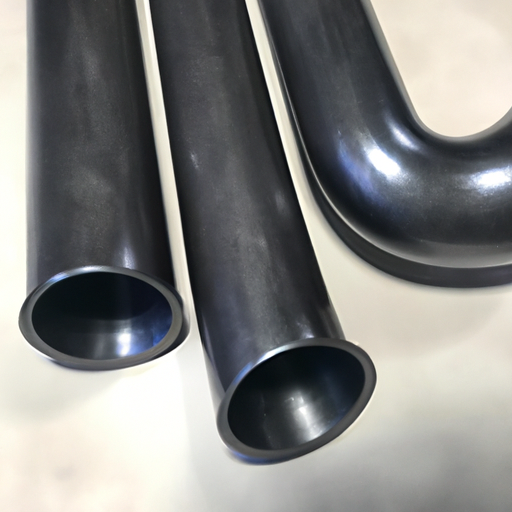
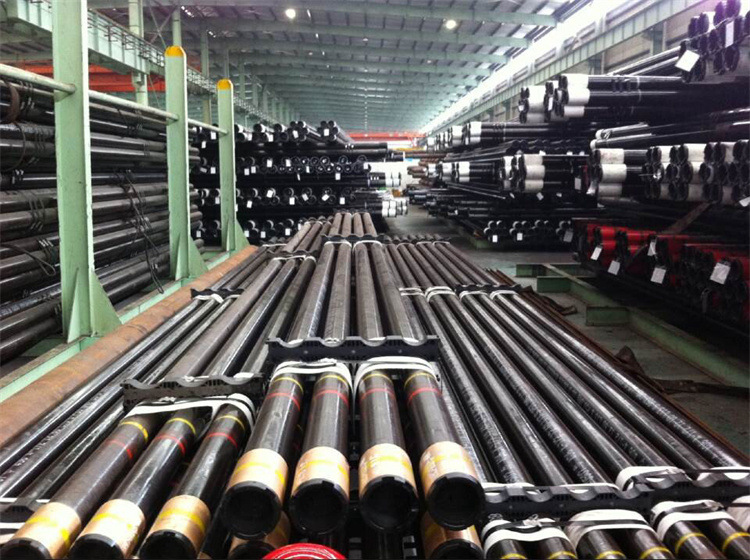 In addition to technological advancements, innovation in Materials science has played a pivotal role in sh APIng the future of oil casing manufacturing. The development of high-performance alloys and composite materials has allowed manufacturers to create casings that are more durable, corrosion-resistant, and lightWeight. These materials not only improve the performance of Oil Wells but also contribute to the overall sustainability of the industry by reducing the environmental impact of drilling operations.
The adoption of advanced manufacturing techniques has also had profound implications for the workforce in the oil and gas sector. As companies embrace automation and robotics, the nature of work is evolving, requiring employees to acquire new skills and competencies. While these changes may lead to job displacement in some areas, they also present opportunities for upskilling and reskilling, enabling workers to take on more specialized roles in the manufacturing process.
https://youtube.com/watch?v=YzETfXGO5C0
Furthermore, the shift towards advanced manufacturing and innovation in oil casing production has raised important considerations regarding safety and regulatory compliance. As manufacturers introduce new technologies and materials into their processes, they must ensure that their products meet the highest standards of quality and reliability. This necessitates close collaboration with regulatory bodies and industry stakeholders to establish guidelines and best practices that promote safety and sustainability.
In response to these modifications, industry players are increasingly investing in research and development to stay at the forefront of technological innovation. By fostering a culture of continuous improvement and knowledge sharing, companies can drive further advancements in oil casing manufacturing and enhance their competitive edge in the market. Collaboration between industry partners, research institutions, and government agencies is also essential to address common challenges and drive collective progress.
In conclusion, the modifications in oil casing technical advanced manufacturing and innovation impacts have ushered in a new era of possibilities for the oil and gas industry. By embracing these changes and proactively responding to the challenges they present, stakeholders can position themselves for long-term success and sustainability. As the industry contiNues to evolve, it is imperative for companies to remain agile, adaptable, and committed to driving innovation in oil casing manufacturing.